
TL;DR:
- Florida's climate causes extensive, often hidden, damage to asphalt shingles over time.
- Roof age significantly impacts wind resistance and insurance coverage in South Florida.
- Regular inspections, proper products, and documented maintenance can extend roof lifespan and reduce costs.
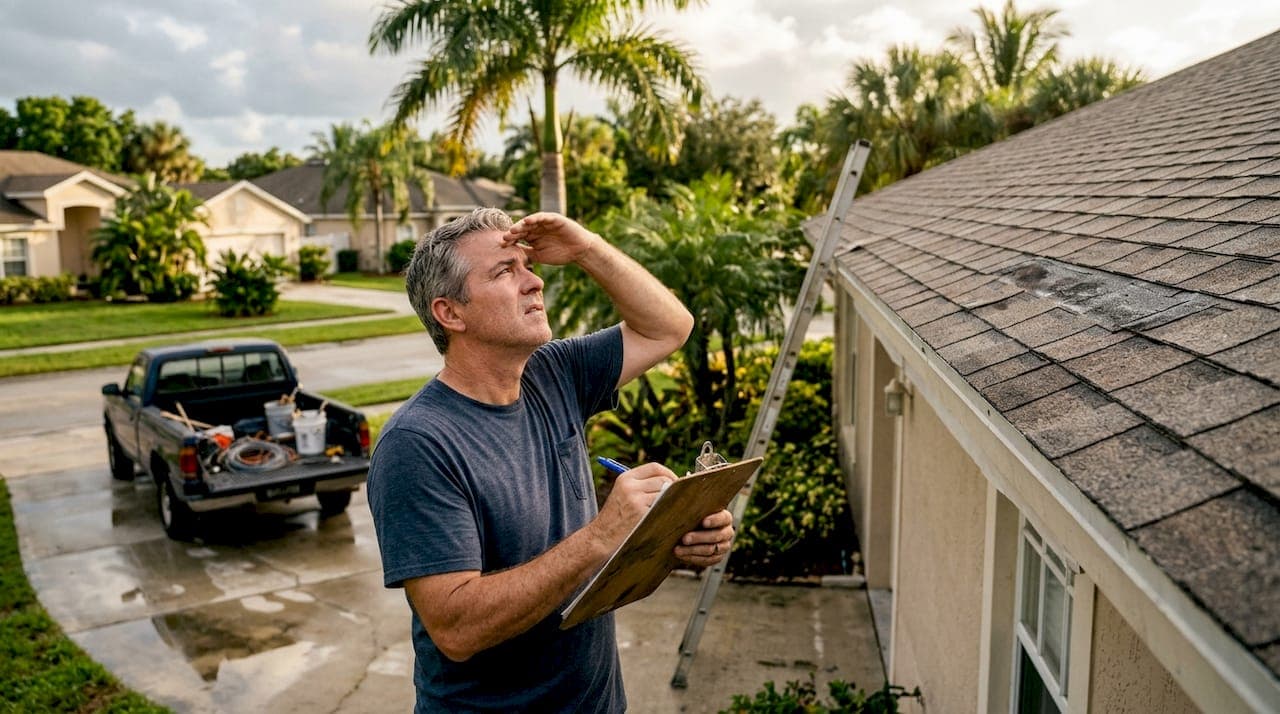
Florida's sun feels relentless for a reason. The same UV intensity that fades your patio furniture is quietly cooking the oils out of your shingles every single day. Most homeowners assume their roof is fine as long as it isn't leaking. But in South Florida, a roof can look perfectly normal from the street while quietly losing the structural integrity it needs to survive the next hurricane season. This guide covers what truly damages shingle roofs in our climate, why age multiplies that risk, how insurers view older roofs, and what practical steps you can take right now to protect your home and your wallet.
Table of Contents
- How Florida's climate stresses your shingle roof
- When age meets climate: The tipping point for South Florida roofs
- Contractors vs. insurers: The debate over repair, rejuvenation, and replacement
- Steps South Florida homeowners can take now for roof longevity
- The uncomfortable truth: There's no magic fix, but you can make smarter choices
- Save thousands on roof renewal in your Florida city
- Frequently asked questions
Key Takeaways
| Point | Details |
|---|---|
| Florida climate accelerates roof aging | Heat, UV, and storms in Florida significantly shorten shingle roof lifespans compared to milder regions. |
| Older roofs face higher failure risk | Once your shingle roof hits 10 years, the chance of wind damage—and insurance issues—rises sharply. |
| Insurers prefer full replacements | Most insurers do not accept rejuvenation for older roofs and often require complete replacement for coverage. |
| Choose high-wind rated shingles | Upgrading to Miami-Dade NOA rated shingles boosts both protection and insurability. |
| Annual inspections are essential | Document annual professional roof inspections to maintain coverage and maximize your roof's life. |
How Florida's climate stresses your shingle roof
Now that you know the issue goes beyond just old shingles, let's break down how Florida's unique climate targets roofs year-round.
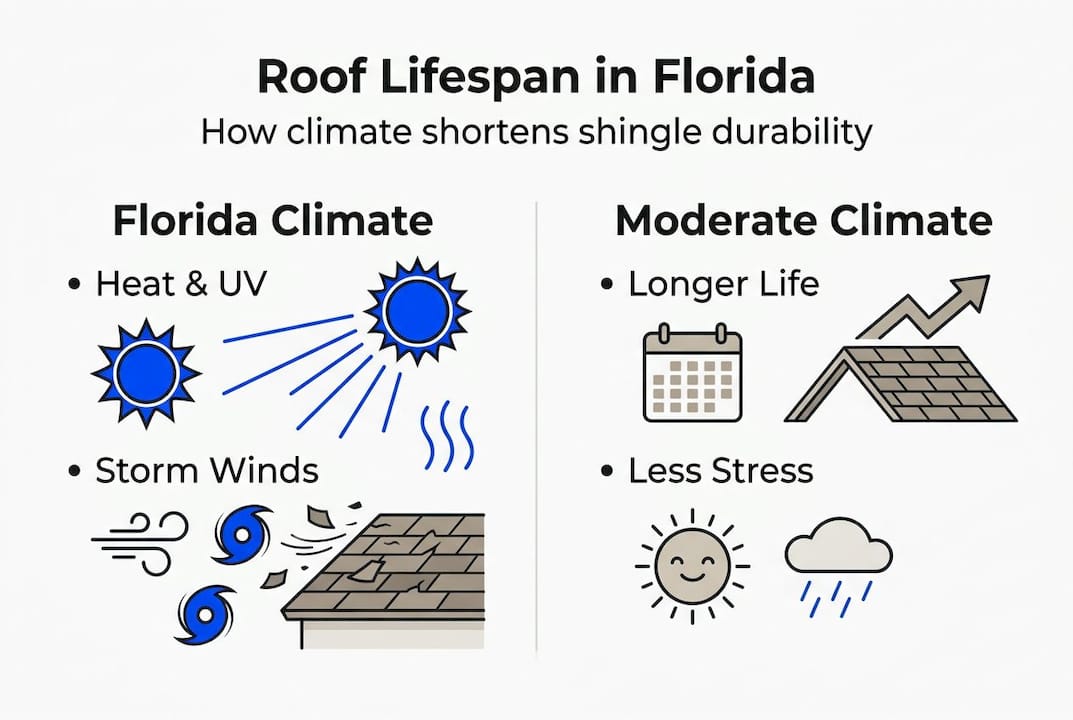
South Florida is one of the harshest environments on earth for asphalt shingles. It isn't just storms. The daily grind of heat, humidity, and UV exposure adds up fast, and most of the damage happens long before you see a missing shingle or a water stain on your ceiling.
Here are the main climate hazards your roof faces every year:
- Intense UV radiation that dries out shingle oils, causing brittleness and cracking
- High humidity and moisture cycling that weakens adhesive sealant strips over time
- Rapid temperature swings between cool nights and scorching afternoons that cause shingles to expand and contract repeatedly
- Salt air in coastal areas that accelerates corrosion of metal flashing and fasteners
- High winds from tropical storms and hurricanes that exploit any weakness in shingle adhesion
Homeowners in Pompano Beach and West Palm Beach see this pattern constantly. Roofs that would last 25 years in the Midwest start showing serious vulnerability after just 10 to 12 years here.
| Factor | Florida climate | Moderate climate |
|---|---|---|
| Expected shingle lifespan | 10 to 15 years | 20 to 25 years |
| UV exposure intensity | Extreme year-round | Seasonal |
| Humidity impact | Constant, high | Low to moderate |
| Wind event frequency | Annual hurricane risk | Rare |
| Common failures | Sealant loss, granule shedding | Cracking, curling |
The sealant strip under each shingle tab is what holds your roof together in a windstorm. Heat and UV degrade that sealant quietly over years. By the time a storm arrives, those bonds may already be compromised. Shingle aging research confirms that asphalt shingles won't survive 100 mph winds after 10 years of Florida exposure.
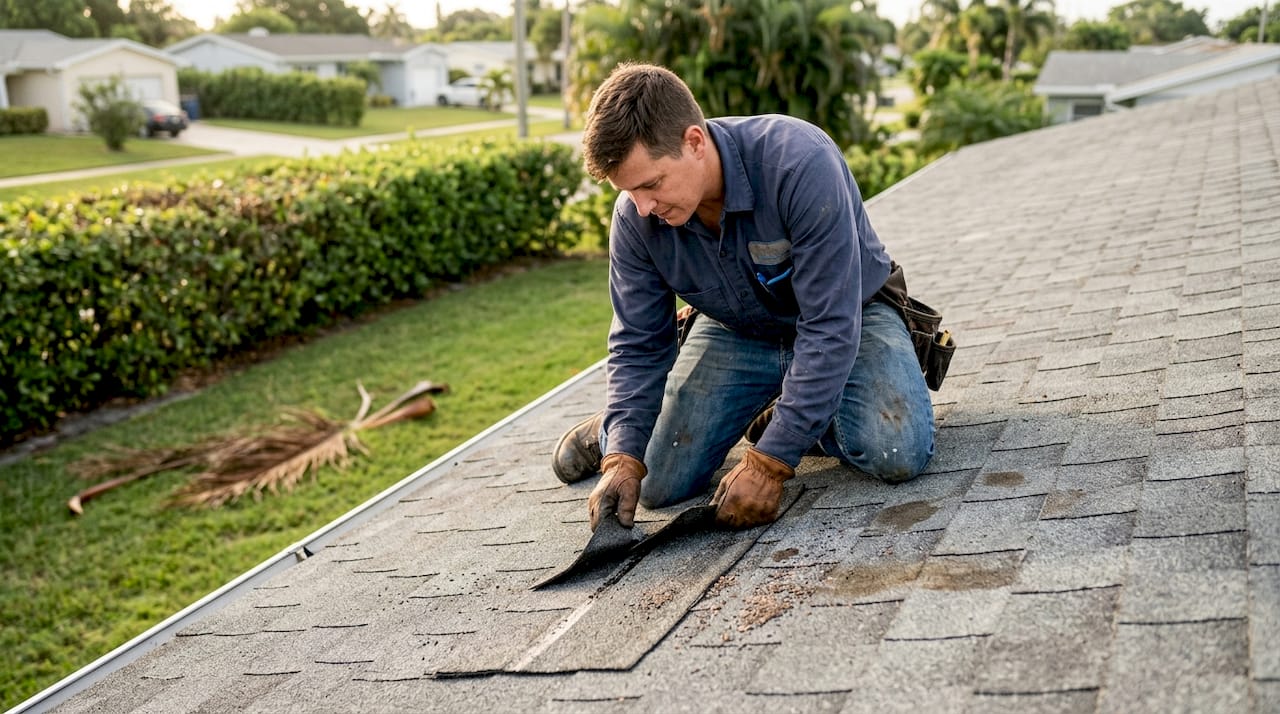
Pro Tip: Even a roof that looks fine from the street can have serious sealant damage after one decade. A professional inspection is the only way to know for sure. Homeowners in Deerfield Beach and surrounding areas often discover this too late.
When age meets climate: The tipping point for South Florida roofs
Understanding climate stresses is one part. Age multiplies the effect. Here's what happens when older roofs face Florida's worst.
A 10-year-old roof in South Florida is not the same as a 10-year-old roof in Ohio. The accumulated stress from UV, heat, and humidity means your shingles may be functionally much older than their calendar age suggests. This is the tipping point most homeowners miss.
Hurricane data makes this painfully clear. Older roofs during Hurricanes Ian, Michael, and Irma showed dramatically worse performance than newer roofs, even when they appeared to be in acceptable condition before the storm.
"Aging shingles are significantly less likely to survive 100 mph winds. After 10 years in Florida's climate, the risk of wind-driven failure rises sharply." — OIR Roof Report
Here's how risk escalates by age:
- At 10 years: Sealant adhesion begins to fail; shingles are more likely to lift in winds above 90 mph
- At 15 years: Granule loss accelerates; UV protection is significantly reduced; waterproofing weakens
- At 20+ years: Structural integrity is compromised; even moderate storms can cause widespread damage
Insurers have noticed. Florida insurers often limit coverage or require full replacement for shingle roofs older than 10 to 15 years, specifically because of wind risk. This is not just a financial inconvenience. It can leave you underinsured when you need coverage most.
Homeowners with roofs in Jupiter and Delray Beach have found that proactive maintenance and documentation can make a real difference in how insurers view their roofs. Waiting until a storm forces the issue is the most expensive path.
| Roof age | Wind resistance (Florida) | Insurance status |
|---|---|---|
| Under 10 years | Generally intact | Fully insurable |
| 10 to 15 years | Declining, sealant risk | Coverage may be limited |
| 15 to 20 years | Significantly reduced | Replacement often required |
| 20+ years | High failure risk | Very difficult to insure |
Contractors vs. insurers: The debate over repair, rejuvenation, and replacement
With these age and climate realities, it's no surprise that expert opinions clash. Here's what each side says and why it matters for you.
There is a real tension in the roofing industry right now. Contractors increasingly promote advanced sealant treatments and roof rejuvenation products as cost-effective alternatives to full replacement. Insurers are not convinced.
Contractors note that improved sealants perform better, but many insurers remain skeptical of rejuvenation and continue to prefer full replacement for wind risk coverage on older roofs. That gap matters enormously for homeowners trying to balance cost and protection.
Here's a practical comparison:
| Option | Average cost | Insurance impact | Longevity gain |
|---|---|---|---|
| Rejuvenation or coating | $1,000 to $3,000 | May not satisfy insurer | 2 to 5 years |
| Targeted repairs | $500 to $2,500 | Depends on scope | Variable |
| Full replacement | $15,000 to $30,000+ | Fully satisfies insurer | 15 to 25 years |
| Roof renewal (GreenSoy) | Fraction of replacement | Extends life 10 to 15 years | Significant |
The rejuvenation vs. replacement decision is not one-size-fits-all. It depends on your roof's current condition, its age, and what your insurer will accept.
Before you decide, ask these questions:
- Is my roof currently insurable for windstorm coverage?
- Will my insurer accept a renewal or rejuvenation treatment, or do they require replacement?
- Has a licensed inspector documented the current condition in writing?
- Am I choosing this option because it's genuinely the right fit, or just because it's cheaper right now?
Pro Tip: Always get professional inspections documented in writing, especially for roofs over 10 years old. That paper trail can be critical if you ever need to file a claim or negotiate with your insurer.
Steps South Florida homeowners can take now for roof longevity
So what's actually within your control? Here's how to give your shingle roof its best shot in Florida's climate.
You don't have to wait for a storm to take your roof seriously. These five steps can make a measurable difference in how long your roof lasts and how well it holds up when it matters most.
- Schedule a professional inspection now. Annual inspections for 10+ year roofs are strongly recommended to preserve insurance eligibility and catch problems early. Don't wait for visible damage.
- Document everything in writing. Get inspection reports, photos, and any repair receipts organized and stored. Your insurer will want this if you ever file a claim.
- Choose the right shingles if you replace. Not all shingles are equal in Florida. Look for architectural shingles with a Miami-Dade Notice of Acceptance (NOA) rating, which means they've been tested for high-wind zones.
- Keep your roof clean and clear. Algae, moss, and debris trap moisture and accelerate granule loss. Gentle roof cleaning once or twice a year removes these threats before they cause real damage.
- Address minor repairs immediately. A cracked flashing seal or a few lifted shingles might seem minor, but in a storm, they become major entry points for water and wind damage.
Pro Tip: Miami-Dade NOA rated architectural shingles are the gold standard for South Florida homes. If you're replacing any portion of your roof, this rating should be non-negotiable.
Here's what to document for your insurance records:
- Date and findings of each professional inspection
- Photos of the full roof surface, gutters, and flashing
- Receipts for any repairs, cleaning, or renewal treatments
- Contractor license numbers and warranty documents
Homeowners exploring Fort Lauderdale roof upgrades are finding that proactive documentation and smart product choices reduce both risk and long-term cost significantly.
The uncomfortable truth: There's no magic fix, but you can make smarter choices
With all this practical advice laid out, let's be honest about what really works and what does not in Florida's climate.
We see it often. A homeowner gets a coating applied, feels relieved, and assumes the problem is solved. Then their insurer still won't renew their windstorm coverage because the roof is 14 years old. The coating helped the shingles. It did not change the insurer's math.
The pros and cons of rejuvenation are real on both sides. Rejuvenation and renewal treatments genuinely restore flexibility and extend shingle life. But they are not a substitute for understanding where your roof stands with your insurer and what your actual storm risk is.
Longevity is absolutely achievable in South Florida. We've seen it. But it comes from making timely, informed decisions, not from wishful thinking or delaying action until a storm forces your hand. Document your roof's condition. Know what your insurer requires. Choose treatments and products that address the real problem. That approach saves money and protects your home in ways that shortcuts simply cannot.
Save thousands on roof renewal in your Florida city
If you're ready to take action, here's how to access expert help in your Florida city that goes beyond just patching the problem.
At Shingle Roof Renewal, we work with homeowners across Palm Beach and Broward counties who want a real solution, not a temporary fix. Our Fresh Roof GreenSoy Technology restores shingles at the molecular level, extending roof life by 10 to 15 years at a fraction of replacement cost.
Whether you're in Boca Raton or looking for Fort Lauderdale roof renewal, we offer a straightforward assessment process so you know exactly where your roof stands. Not sure if renewal is right for you? Compare renewal vs. rejuvenation and see the difference for yourself. Our 6-year transferable warranty backs every job we do.
Frequently asked questions
How often should a shingle roof be inspected in South Florida?
You should have your shingle roof professionally inspected at least once a year, and more frequently if it's over 10 years old. Annual inspections for older roofs are strongly recommended to preserve insurance eligibility and catch hidden damage early.
Does rejuvenating or coating an old shingle roof satisfy insurance requirements?
Most insurers remain skeptical of rejuvenation treatments and continue to prefer full replacement for older roofs. Insurers prefer replacement after 10-15 years to maintain full wind coverage, so always confirm your insurer's specific requirements before choosing a treatment.
What's the biggest climate risk for older shingle roofs in Florida?
High winds combined with degraded sealants create the highest failure risk for shingle roofs over 10 years old. Aging shingles are much less likely to withstand 100 mph winds, making sealant condition the most critical factor in storm survival.
What shingles provide the best storm protection for Florida homes?
Shingles with a Miami-Dade Notice of Acceptance (NOA) rating offer the best wind resistance for South Florida homes. Miami-Dade NOA architectural shingles are specifically tested and recommended for high-wind zones like ours.