
TL;DR:
- Roof restoration significantly reduces costs and extends roof life compared to full replacement.
- Restoring shingles improves storm resistance and delays the need for replacement in South Florida's climate.
- Eco-friendly and waste-reducing, restoration is a smarter, more sustainable choice for homeowners.
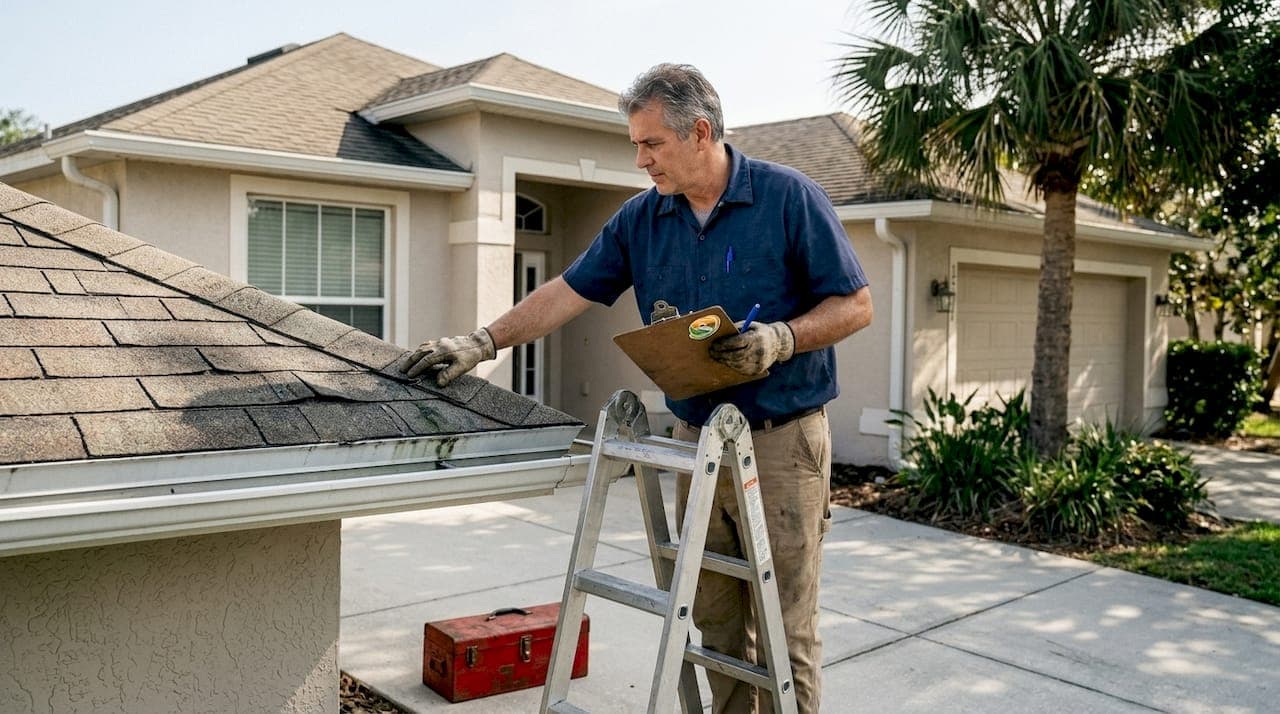
Your shingle roof is aging, and South Florida's relentless heat, humidity, and hurricane seasons are accelerating the wear. You're facing a familiar dilemma: spend tens of thousands on a full replacement, or explore a smarter path. The truth is, most homeowners replace their roofs years before it's actually necessary, often because they don't know restoration is an option. In this article, we break down the top reasons why restoring your shingle roof can save you money, extend its life significantly, and keep your home better protected through every storm season.
Table of Contents
- Cost savings: Restoration is generally far less expensive
- Extended roof lifespan with restoration treatments
- Protection against storms with enhanced shingle resilience
- Eco-friendly benefits: Restoration reduces environmental impact
- Our take: Why roof restoration is the smarter choice for South Florida homeowners
- Ready to renew your roof? Get a professional assessment
- Frequently asked questions
Key Takeaways
| Point | Details |
|---|---|
| Save money | Restoration is far less expensive than full roof replacement for most South Florida homes. |
| Extend roof life | Professional treatments can add up to 15 years to your shingle roof’s lifespan, maximizing return on investment. |
| Increase storm protection | Restoration enhances shingle resilience, helping prevent leaks and damage during hurricane season. |
| Lower environmental impact | Restoring your roof greatly reduces landfill waste and material consumption compared to replacing it. |
Cost savings: Restoration is generally far less expensive
Let's start with what matters most to most homeowners: the price tag. A full roof replacement in South Florida can run anywhere from $15,000 to $30,000 or more, depending on your home's size and materials. Restoration, by contrast, costs a fraction of that. Restoration costs a fraction of full roof replacement and can extend roof life by up to 15 years, making it one of the highest-return investments you can make in your home.
Here's where the savings really add up:
- No tear-off costs. Replacement requires removing your old roof entirely. That labor and disposal cost alone can add thousands to your bill.
- No new material expenses. Restoration works with your existing shingles, so you're not paying for a full load of new materials.
- No extended project timelines. Restoration is typically completed faster, meaning less disruption to your household.
- No landfill fees. Tear-offs generate significant debris. Restoration skips that step entirely.
For homeowners in Palm Beach and Broward counties, the financial case is especially strong. Local labor costs are higher than the national average, and material prices have climbed steadily. Checking out Boca Raton roof savings can give you a clearer picture of what local homeowners are actually saving.
Cost snapshot: Restoration typically runs 50% to 70% less than a full replacement, depending on roof size and condition.
Our roof renewal services are designed to maximize that savings gap, using certified technology that delivers real, lasting results without the replacement price.
Pro Tip: The best candidates for restoration are roofs between 7 and 20 years old with no major structural damage. If your roof is in that window, get an assessment before committing to replacement.
Extended roof lifespan with restoration treatments
Cost savings alone would be enough reason to consider restoration. But here's what really makes it compelling: a properly restored roof can keep protecting your home for years longer than you might expect.
Restoration treatments can add years to a shingle roof's life, delaying the need for replacement and giving homeowners in South Florida more time and more options.
Here's how the process works, step by step:
- Assessment. A certified technician evaluates your roof's current condition, identifying areas of wear, brittleness, or granule loss.
- Treatment application. A restoration product like Fresh Roof's GreenSoy Technology is applied. It penetrates the shingle at the molecular level, restoring the oils and flexibility that heat and UV exposure have stripped away.
- Sealing and protection. The treated shingles become more flexible, more resistant to cracking, and better sealed against moisture intrusion.
- Inspection and documentation. The completed restoration is documented, and a transferable warranty is issued, giving you proof of condition for insurance and resale purposes.
In South Florida's climate, shingles age faster than in cooler regions. The combination of intense UV radiation, high humidity, and seasonal storms pulls the protective oils out of shingles much sooner than the manufacturer's lifespan suggests. Restoration puts those oils back.
For homeowners in areas like Plantation, Plantation roof restoration has helped extend roofs that might otherwise have been replaced prematurely. The typical lifespan extension from a quality restoration treatment is 10 to 15 years.
Understanding the difference between standard products and advanced options is important. The roof rejuvenation benefits page explains why not all treatments are equal and why the technology behind the product matters.
Pro Tip: Schedule an annual inspection after your restoration. South Florida's storm season can stress even a healthy roof, and catching small issues early keeps your restored roof performing at its best.
Protection against storms with enhanced shingle resilience
South Florida homeowners know the stakes. Hurricane season runs from June through November, and even a moderate tropical storm can expose every weakness in an aging roof. Restoration directly addresses those weaknesses.
Restoration treatments improve shingle flexibility and storm resistance, reducing the risk of leaks and blow-offs during high-wind events. That's not a minor benefit here. It's essential.
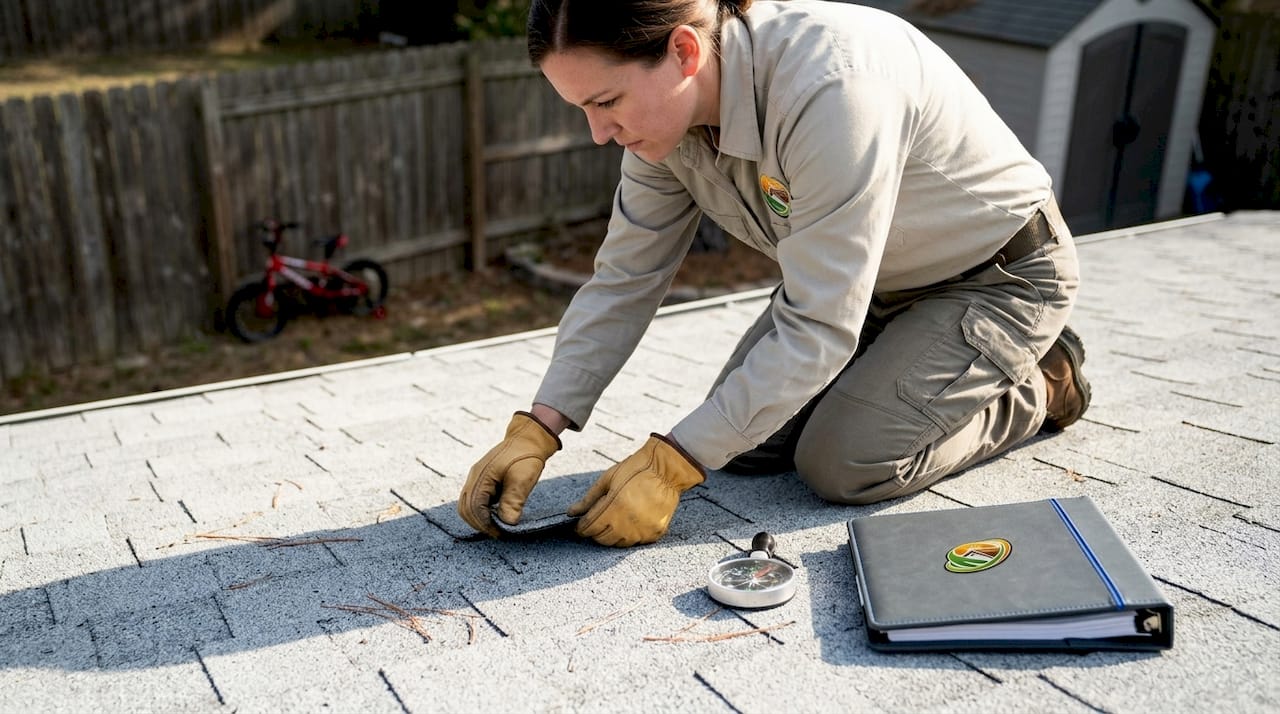
Aging shingles become brittle over time. When shingles lose flexibility, they crack under wind pressure instead of flexing with it. They lift at the edges. Granules wash away, leaving the underlying material exposed. Each of these vulnerabilities creates an entry point for water.
Here's what restoration addresses directly:
- Brittleness. Restored shingles regain flexibility, reducing the chance of cracking under wind or impact.
- Edge lifting. Treated shingles re-adhere more effectively, minimizing the risk of wind getting underneath.
- Granule loss. Restoration helps seal the surface, slowing the granule loss that exposes shingles to UV damage.
- Moisture intrusion. A properly treated roof creates a tighter barrier against rain-driven water.
Let's compare restored versus unrestored aging roofs in a storm scenario:
| Feature | Restored aging roof | Unrestored aging roof |
|---|---|---|
| Shingle flexibility | Restored to near-original | Brittle, prone to cracking |
| Wind resistance | Significantly improved | Compromised |
| Water barrier | Tightened and sealed | Porous and vulnerable |
| Post-storm repair needs | Minimal | Often extensive |
| Lifespan after storm season | Extended by years | Shortened considerably |
For homeowners near the coast, like those exploring storm damage solutions in Pompano Beach, the resilience boost from restoration is especially valuable. And for those in West Palm Beach storm readiness planning, restoration is a proactive step that pays off before the first storm arrives.
"A restored roof isn't just maintained. It's actively strengthened against the conditions that South Florida throws at it every single year."
Eco-friendly benefits: Restoration reduces environmental impact
Beyond your wallet and your home's safety, there's another reason to choose restoration that doesn't get talked about enough: the environmental impact.
Restoring roofs generates less waste and uses fewer new materials than full replacement. In a region like South Florida, where construction activity is constant and landfills are under pressure, that matters.
When a roof is replaced, the old shingles are torn off and hauled away. A typical residential roof tear-off generates 1 to 3 tons of waste material. That material goes to a landfill. Multiply that across thousands of homes in Palm Beach and Broward counties each year, and the environmental cost becomes significant.
Restoration eliminates that waste entirely. No tear-off. No disposal. No new shingles manufactured and shipped.
Here's a direct comparison of the environmental footprint:
| Factor | Restoration | Full replacement |
|---|---|---|
| Waste generated | Near zero | 1 to 3 tons per home |
| New materials required | Minimal (treatment product) | Full shingle load |
| Carbon footprint | Low | High (manufacturing + transport) |
| Landfill contribution | None | Significant |
| Energy used in process | Low | High |
For South Florida communities, the eco benefits extend further:
- Reduced truck traffic from fewer tear-off and delivery hauls in residential neighborhoods.
- Lower demand on already-strained building material supply chains.
- Smaller carbon footprint per home, contributing to broader sustainability goals.
- Support for local green building standards increasingly adopted in Broward and Palm Beach counties.
Homeowners in Fort Lauderdale interested in Fort Lauderdale eco roofing options are finding that restoration aligns with both their values and their budgets. It's a rare combination where doing the right thing for the environment also saves you money.
Our take: Why roof restoration is the smarter choice for South Florida homeowners
We've worked with hundreds of homeowners across Palm Beach and Broward counties, and we see the same pattern repeatedly. A contractor tells a homeowner their roof needs replacing. The homeowner, trusting the advice, spends $20,000 or more. A year later, a neighbor gets a restoration for a fraction of the cost and gets 12 more years out of their roof.
The bias toward replacement is real. It's more profitable for contractors, and it's the default recommendation in an industry that doesn't always prioritize the homeowner's best interest.
Restoration is not the right answer for every roof. A roof with structural damage, severe decking rot, or widespread failure genuinely needs replacement. But the majority of aging roofs we assess qualify for restoration, and the homeowners who choose it are consistently satisfied.
The trusted roof renewal experts who deliver real results are the ones who tell you the truth first, even when restoration isn't the answer. That's the standard we hold ourselves to.
If your roof is between 7 and 20 years old and still structurally sound, the smart move is to get an honest assessment before signing a replacement contract.
Ready to renew your roof? Get a professional assessment
If your shingle roof is showing its age, don't assume replacement is your only option. A professional assessment can tell you exactly where your roof stands and what it will take to restore it.
At Shingle Roof Renewal, we request roof renewal assessments for homeowners across South Florida every day. Our certified process uses Fresh Roof's GreenSoy Technology to restore your shingles at the molecular level, backed by a 6-year transferable warranty. You can also explore restoration services to see exactly what's included. Homeowners in areas like Deerfield Beach roof restoration are already saving thousands by choosing renewal over replacement. Don't wait until storm season forces your hand. Reach out today and protect your home on your terms.
Frequently asked questions
How long can roof restoration extend the life of my shingle roof?
Restoration can add up to 15 years to your roof's life, depending on its current condition and the quality of the treatment applied.
Is a restored roof as strong as a new roof in storms?
A properly restored roof can be nearly as resilient as a new roof because restoration improves shingle storm resistance by restoring flexibility and sealing vulnerable areas.
What is the environmental impact of roof restoration vs replacement?
Restoration creates significantly less landfill waste and uses fewer new materials, since restoring roofs generates less waste than tearing off and replacing an entire roof.
Will my insurance cover roof restoration?
Many insurance policies are structured around replacement, but some may cover restoration as preventive maintenance. Always review your specific policy and ask your insurer directly before assuming coverage either way.
Recommended
- Shingle Roof Renewal | Certified Fresh Roof Applicator | South Florida
- Shingle Roof Renewal | Certified Fresh Roof Applicator | South Florida
- Fresh Roof vs Roof Rejuvenation | Shingle Roof Renewal
- Roof inspection checklist: save money, extend shingle life
- Repair or Replace? How GTA Homeowners Should Think About Aging Plumbing | Proper Plumbing GTA Blog