
Most aging asphalt shingle roofs in hot, humid climates can be restored rather than replaced, provided the deck is sound and damage hasn't crossed a few key thresholds. Roof preservation typically costs a fraction of full replacement and, when a roof qualifies, can extend service life by years. The fastest way to know where your roof stands is a free on-site inspection and qualification review, not a guess based on curb appeal.
Key Takeaways
Aging asphalt shingle roofs in hot, humid climates often qualify for preservation rather than replacement when the deck is sound and damage stays below key thresholds.
| Point | Details |
|---|---|
| Heat and UV drive failure | Photo-oxidation, maltene loss, and thermal cycling combine to make shingles brittle and shed granules. |
| Qualification has limits | Single-layer roofs with sound decks and under 30% granule loss are the best preservation candidates. |
| Process is inspection-first | Certified technicians inspect, assess, then apply treatment only if the roof qualifies. |
| Savings can be substantial | Preservation can save substantially versus typical replacement costs on qualifying roofs. |
| Some roofs need replacement | Multiple layers, deck rot, or substantial granule loss mean preservation isn't appropriate. |
| Shingleroofrenewal offers certified renewal | Fresh Roof Green Soy Technology application backed by a 6-year transferable warranty for qualifying South Florida roofs. |
Table of Contents
- What Makes Roofing Solutions for Humid Climates So Different?
- Does Your Roof Qualify for Preservation Instead of Replacement?
- How Does the Certified Renewal Process Actually Work?
- How Much Can You Save Compared to Full Replacement?
- When Should You Skip Preservation and Replace the Roof Instead?
- What Maintenance Actually Slows Down Humid-Climate Roof Damage?
- Ready to Find Out If Your Roof Qualifies?
- Sources
What Makes Roofing Solutions for Humid Climates So Different?
Heat and moisture attack asphalt shingles from two directions at once, and that combination is what separates roofing solutions for humid climates from anything you'd need in a drier region. Several mechanisms work together, and understanding them tells you whether your roof is a preservation candidate or already past the point of no return.
- UV photo-oxidation hardens the asphalt surface, increasing brittleness and micro-cracking over time.
- Maltene loss strips the oils that keep shingles pliable, a process research on roofing material weathering ties directly to accelerated oxidation under sun and heat.
- Thermal cycling bakes shingles at surface temperatures that can climb well past ambient air temperature, then cools them again overnight, a repeated stress that the physics of southern-heat shingle failure links to widespread micro-cracking.
- Moisture-driven buckling happens when shingles absorb dew and humidity swells the mat underneath.
- Biological growth, especially cyanobacteria and algae, stains shingles and traps moisture against the surface.
NIST laboratory testing confirms that UV exposure combined with temperature and humidity swings produces measurable chemical and mechanical changes in shingles, including discoloration and weakened adhesive strips. None of this happens in isolation. A shingle losing its oils is more vulnerable to thermal cracking, and a cracked shingle sheds granules faster once biological growth takes hold.
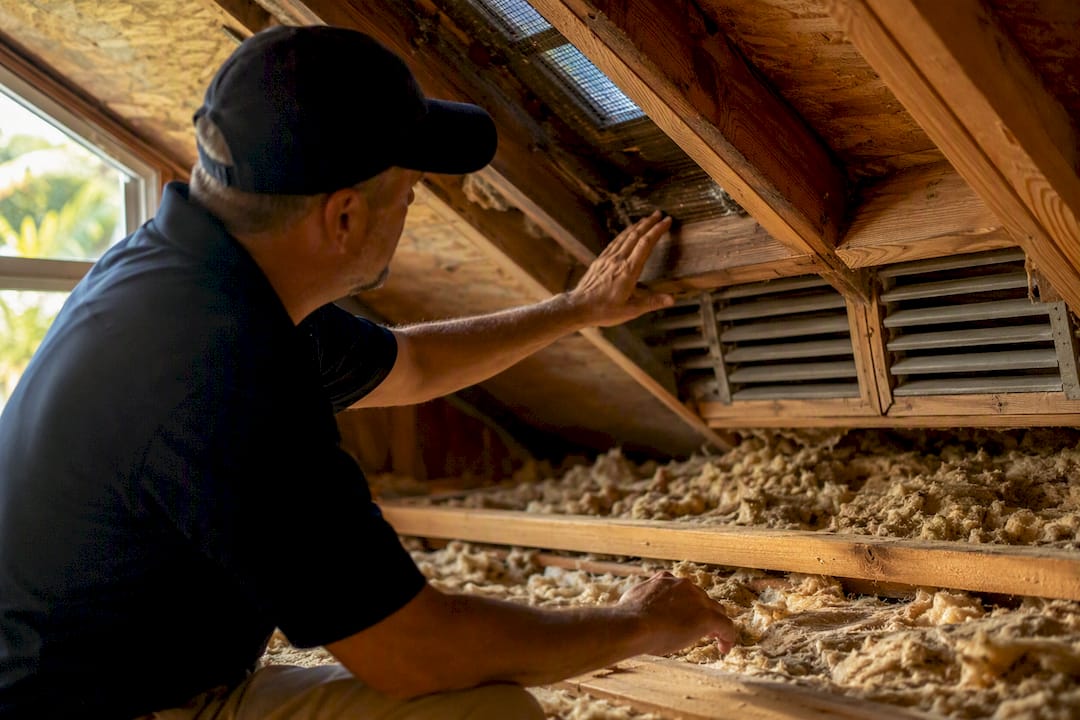
Pro Tip: Balanced attic ventilation, soffit intake paired with ridge exhaust, lowers shingle surface temperature and reduces the moisture buildup that drives buckling. Building Science research on unvented roofs in hot-humid climates found that poor ventilation lets solar heating drive dew moisture inward, stressing the deck daily.
Does Your Roof Qualify for Preservation Instead of Replacement?
Before you call anyone, walk your roofline and check these conditions. They're the same fundamentals a structural inspection evaluates before recommending recover versus replacement.
- Single shingle layer (no second roof underneath)
- Deck is structurally sound, no rot, no gaps wider than a quarter inch
- Curling and cracking are limited to isolated shingles, not widespread
- Granule loss stays under a moderate threshold in visible areas
- No active leaks or major flashing failures
- Attic ventilation is reasonably balanced
Borderline cases are common, and that's exactly why a professional inspection exists. A roof with moderate granule loss but a solid deck might still qualify; one with a sound surface but a compromised deck usually won't. Before scheduling, gather your roof's approximate age, any past repair records, and note whether you've seen granules collecting in your gutters. If you're unsure where your roof falls, schedule an inspection rather than guess. A roof longevity checklist can help you organize what to look for beforehand.
How Does the Certified Renewal Process Actually Work?
A certified renewal follows a defined sequence, not a spray-and-go visit.
- On-site inspection and documentation. A technician photographs shingle condition, checks the deck, evaluates ventilation, and notes any biological staining.
- Condition assessment and qualification. This is where a roof either passes or gets flagged for replacement instead, based on the criteria above.
- Application and verification. Once qualified, the Fresh Roof Green Soy Technology treatment is applied at a measured rate, followed by a cure period and before/after documentation.
Homeowners should expect a few operational realities:
- Application generally requires dry weather, since industry process guidance points to a 24 to 48 hour cure window before heavy rain exposure.
- Technicians follow calibrated application rates rather than eyeballing coverage.
- You'll receive photo documentation of both the pre-treatment condition and the finished result.
Shingle Roof Renewal is a certified applicator of Fresh Roof Green Soy Technology, and qualifying jobs come with a 6-year transferable warranty. That warranty covers the treatment's performance on a qualifying roof. It does not cover pre-existing structural issues or damage from events like hail or fallen limbs after the fact.
How Much Can You Save Compared to Full Replacement?
A full asphalt shingle roof replacement commonly runs $15,000 to $30,000 depending on square footage and complexity. Homeowners with a qualifying roof can save a significant percentage compared to that number, a gap large enough to fund years of other home priorities instead.
- Restored flexibility in the shingle surface, reducing the brittle snap that leads to cracking
- Better granule retention, which slows the surface erosion that exposes shingles to direct UV
- A realistic service-life extension, with lab and field-informed estimates generally landing in the 10 to 15 year range for qualifying roofs, though results depend heavily on the shingle's starting condition
Timeline matters too. Inspection scheduling is usually quick, and application itself typically wraps in a single day for an average residential roof. The best seasonal windows in hot-humid regions tend to fall in drier stretches when a 24 to 48 hour cure period isn't competing with afternoon storms. Treat this as a maintenance interval rather than a one-time fix. As with any restorative oil-based treatment, the flexibility gains diminish over years of renewed sun exposure, which is why periodic reassessment matters.
When Should You Skip Preservation and Replace the Roof Instead?
Preservation isn't the right call for every roof, and pretending otherwise wastes your money.
- Two or more existing shingle layers already stacked
- Extensive deck rot or visible sagging, which calls for a licensed structural engineer before anything else
- Granule loss exceeding a substantial portion across large sections, not just isolated spots
- Torn or exposed fiberglass mat beneath the granule layer
- Active leaks or failed flashing around chimneys, vents, or valleys
- Widespread curling and cracking rather than a few scattered shingles
Local building codes also play a role. Many jurisdictions cap the number of shingle layers allowed on a roof, and ARMA's reroofing guidance notes that decking condition and structural capacity often force a replacement decision regardless of what the homeowner would prefer.
What Maintenance Actually Slows Down Humid-Climate Roof Damage?
A few consistent habits do more for shingle longevity than any single product.
- Schedule an annual visual inspection, especially after storm season
- Keep gutters clear so trapped granules and debris don't hold moisture against fascia
- Trim overhanging branches to reduce shade-driven algae growth and physical abrasion
- Skip pressure washing, which strips granules faster than sun exposure ever will
- Handle small repairs immediately rather than letting them spread
- Maintain balanced soffit-to-ridge ventilation year-round
Algae and cyanobacteria need addressing before any restorative treatment goes down. Guidance on granule loss in hot climates recommends soft washing or an appropriate biocide rather than harsh scrubbing, since abrasive cleaning removes the same granules you're trying to protect. For homeowners wanting a deeper walkthrough of safe cleaning methods, this roof cleaning safety guide covers the practical steps well.
Pro Tip: Schedule renewal treatment during a drier seasonal window rather than mid rainy season. A sudden downpour within the first 24 to 48 hours after application can interfere with proper cure, so timing around your region's weather patterns protects your investment.
Why Early Inspection Changes the Outcome
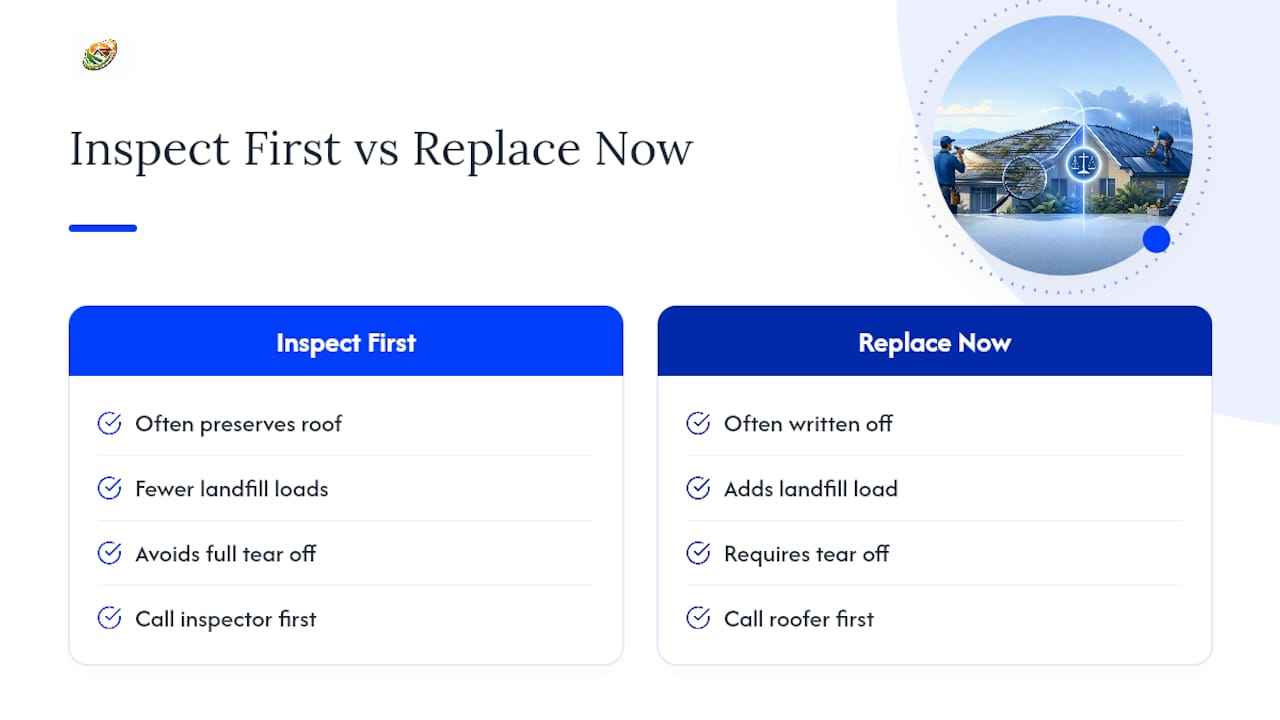
We push homeowners toward inspection first because we've seen how often a roof written off as "done" still has years left in it. Every roof we preserve instead of tear off is one less load of shingles in a landfill. That's the thinking behind our message: call us before you call the roofer.
Ready to Find Out If Your Roof Qualifies?
Shingleroofrenewal is the alternative to an automatic tear-off quote. Instead of assuming replacement is your only option, we send a certified technician to inspect your roof, document its condition, and give you a straight answer on whether it qualifies for renewal.

The visit is free, and it includes a full walk of your roofline, a deck and ventilation check, and a clear explanation of your options. If your roof qualifies, we apply certified Fresh Roof Green Soy Technology, back the work with a 6-year transferable warranty, and hand you before-and-after documentation for your records. Before your appointment, jot down your roof's approximate age and any repair history, and take a look at your gutters for loose granules. If you're in or near Delray Beach, you can schedule your inspection in Delray Beach directly, and homeowners closer to Plantation can book a Plantation-area assessment just as easily. Either way, the next step is the same: get the inspection scheduled before you spend a dollar on replacement quotes.
Sources
- Long-term durability of asphalt shingle roof covers: laboratory degradation characteristics — NIST
- Weathering of roofing materials: photodegradation, thermal aging, and moisture effects — eScholarship
- Asphalt shingle reroofing: Replacement vs. recover — ARMA
- Unvented roofs in hot-humid climates and asphalt roofing shingles — Building Science