
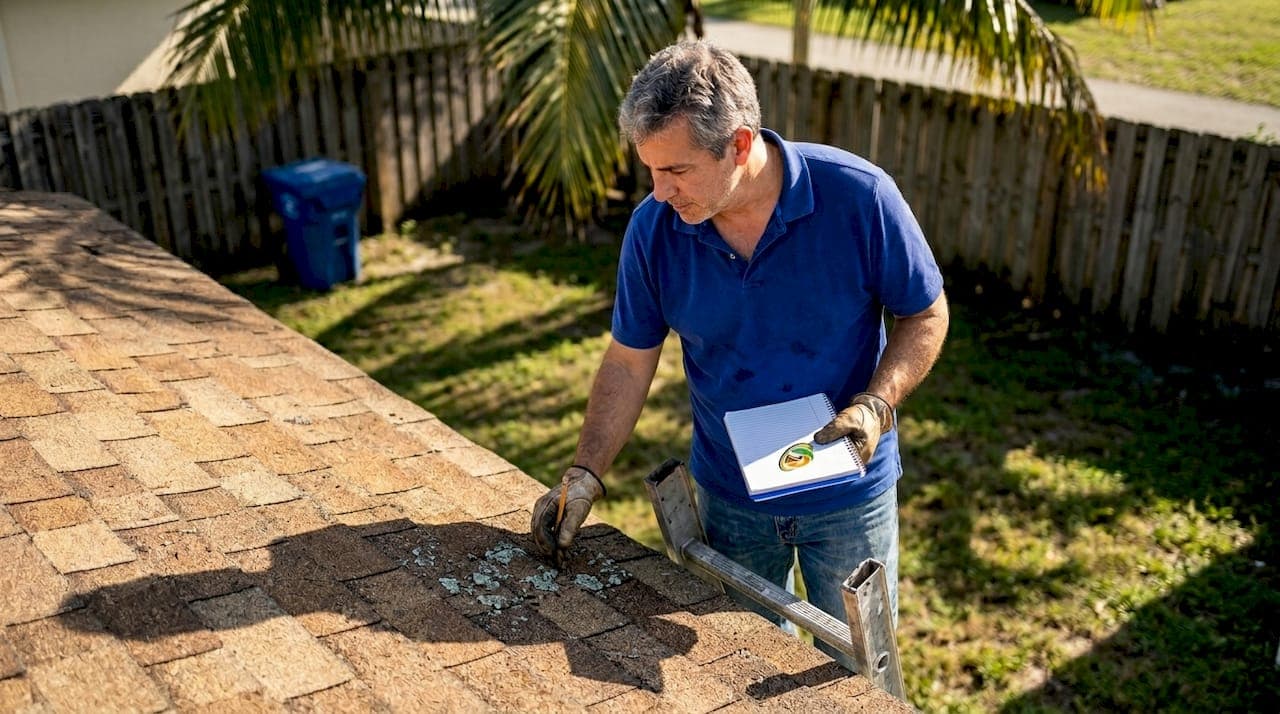
TL;DR:
- Proactive weatherproofing extends the lifespan of aging shingles in South Florida's harsh environment.
- Regular inspections before hurricane season help identify vulnerabilities early and prevent costly damage.
- Repair or renewal, rather than full replacement, is often the most cost-effective for roofs under 15 years old.
Storm season in South Florida is not a distant concern. It arrives fast, and if your shingle roof is already showing its age, the anxiety is real. Many homeowners in Palm Beach and Broward counties assume that once shingles start curling or granules start washing away, a full replacement is the only answer. That assumption is costing people thousands of dollars they do not need to spend. The truth is, affordable weatherproofing and targeted maintenance can protect your home and extend your roof's life significantly. This guide walks you through exactly what to do before the next storm rolls in.
Table of Contents
- Why weatherproofing is vital for aging shingle roofs
- When and how to inspect your roof for weatherproofing
- Weatherproofing options: Repairs, sealants, and coatings compared
- How to choose: Repair, renew, or replace?
- A realistic perspective: Why quick fixes alone won't keep you dry
- Ready to protect your home? Expert help for South Florida roofs
- Frequently asked questions
Key Takeaways
| Point | Details |
|---|---|
| Early inspection matters | Inspecting your roof before storm season helps identify problems early and avoid expensive damage. |
| Know your options | Repairs and renewals often extend roof life, but repeated fixes can add up and insurers may push for replacement after 15 years. |
| Choose the best solution | Use damage type, roof age, and insurance rules to decide whether to repair, renew, or replace. |
| Expert evaluation | A professional inspection ensures coatings or repairs address the real problem, not just the symptoms. |
Why weatherproofing is vital for aging shingle roofs
Let's first explore why shingle roofs in South Florida demand special attention.
South Florida is one of the harshest environments for any roofing material. The combination of intense UV radiation, high humidity, salt air, and seasonal hurricanes creates conditions that wear shingles down faster than almost anywhere else in the country. Shingles last 15-20 years in South Florida, with UV exposure and humidity shortening that window considerably. If your roof is approaching that range, it needs attention now, not after the next storm.
The consequences of inaction go beyond a few missing shingles. Here is what neglected roofs actually lead to:
- Leaks and water intrusion that damage ceilings, walls, insulation, and flooring
- Mold and mildew growth inside your attic and living spaces, which is a serious health risk
- Structural rot in decking and rafters that turns a roofing problem into a full renovation
- Insurance complications that can leave you unprotected when you need coverage most
That last point matters more than most homeowners realize. Many insurers in Florida now scrutinize roof age closely. A roof over 15 years old can trigger policy reviews, higher premiums, or outright denial of coverage. Understanding Florida's climate impacts on shingle roofs helps you see why insurers treat older roofs as high-risk assets.
The bottom line: Waiting until your roof fails is not a money-saving strategy. It is the most expensive path you can take.
Weatherproofing is not just about keeping rain out today. It is about preserving the structural integrity of your home and keeping your insurance policy intact. The good news is that proactive maintenance, done at the right time, is far more affordable than emergency repairs or full replacement. Learning about shingle roof risks and renewal options gives you a clearer picture of what your roof actually needs.
When and how to inspect your roof for weatherproofing
Understanding the urgency, let's cover exactly when and how to inspect your roof for vulnerabilities.
Timing your inspection correctly makes a real difference. The best window in South Florida is March through April, during the dry season. Contractors are more available, weather conditions are stable, and you have enough lead time before hurricane season officially starts in June. Do not wait until May to schedule an inspection.
Inspections are recommended twice yearly plus after any major storm event. That means once in the spring and once in the fall, at minimum. After a named storm or heavy wind event, add an unscheduled check.
Here is a step-by-step inspection process you can follow:
- Start from the ground. Use binoculars to scan the entire roof surface before climbing anywhere. Look for obvious missing shingles, sagging areas, or discoloration.
- Check the gutters. Excessive granule buildup in gutters is a clear sign that shingles are deteriorating. Granules protect the asphalt layer from UV damage, and losing them accelerates aging.
- Inspect the attic. Look for daylight coming through the roof boards, water stains, or soft spots in the decking. These signal active leaks or structural damage.
- Examine flashings closely. Flashings around chimneys, vents, and skylights are common failure points. Look for rust, gaps, or lifted edges.
- Walk the roof carefully (or hire a pro). Look for curled, cracked, or missing shingles. Press gently on shingles to check for soft spots underneath.
Pro Tip: If you find granule loss on more than 20% of your roof surface, that is a strong signal that a renewal treatment or professional assessment is overdue. Use our roof inspection checklist to stay organized during your walkthrough.
Not sure what you are looking at? A professional roof damage assessment gives you a clear picture of your roof's actual condition without guesswork.
Weatherproofing options: Repairs, sealants, and coatings compared
You've found the weak spots. Now let's compare your repair and weatherproofing choices clearly.
Not all weatherproofing solutions are created equal. Some are quick fixes that buy you a season or two. Others offer more lasting protection when applied correctly. Here is a breakdown:
| Option | Best for | Cost level | Lifespan | Key risk |
|---|---|---|---|---|
| Shingle replacement (spot) | Localized damage | Low to moderate | Matches roof age | Mismatched shingles |
| Crack fillers and caulk | Small gaps, flashing | Very low | 1-3 years | Temporary only |
| Silicone sealant coating | Intact roofs, flat sections | Moderate | 5-10+ years | Must inspect first |
| Roof renewal treatment | Aging but intact shingles | Moderate | 10-15 years | Not for rotted decks |
| Full replacement | Severe or old damage | High | 20-25 years | Major disruption |
Silicone coatings have shown strong results in Florida conditions. A 40-year Florida study found silicone coatings superior for general roof longevity, though evidence for shingle-specific life extension remains mixed. Coating manufacturers often claim 10-20 years of added life, but independent data on asphalt shingles specifically is still limited.
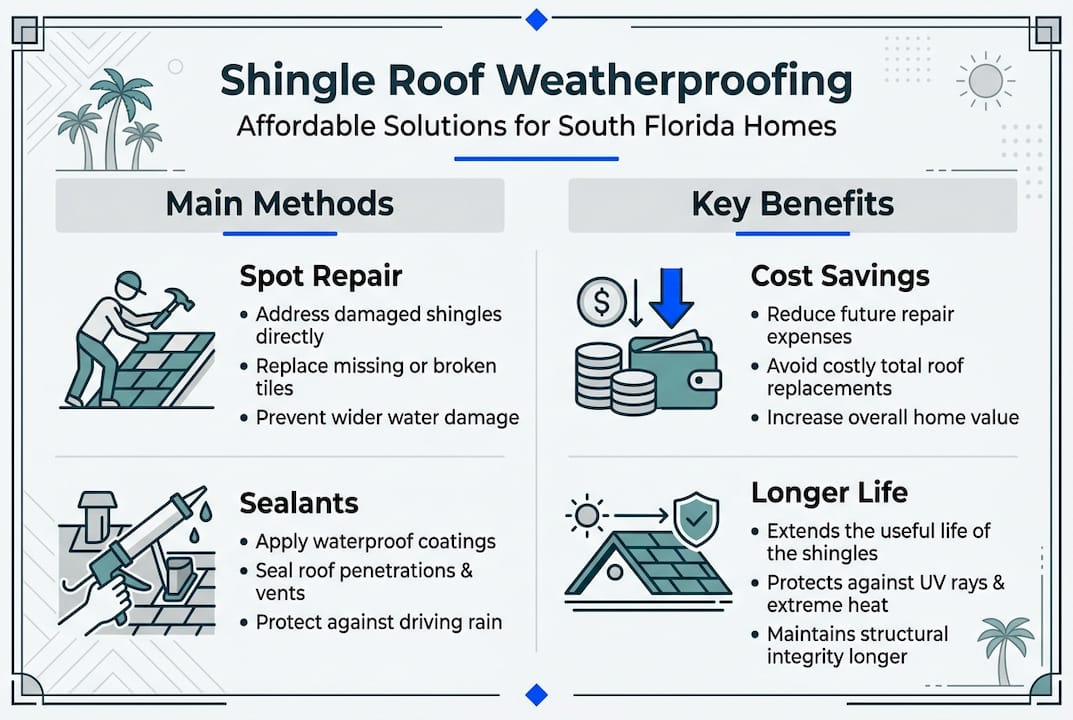
One critical warning: never apply a coating to a roof with hidden rot or moisture damage. Coatings can seal in moisture and accelerate decay from the inside. This is why inspection always comes before treatment.
Here are the key factors to weigh when choosing a weatherproofing approach:
- Age of the roof: Coatings and renewal treatments work best on roofs under 15 years old with structurally sound decking
- Extent of damage: Widespread granule loss or multiple cracked shingles point toward renewal, not spot repairs
- Budget: Spot repairs are cheapest upfront but can add up quickly if problems keep returning
- Insurance status: Some treatments may affect your policy, so always check with your insurer first
Pro Tip: Before committing to any coating or sealant, get a written assessment from a certified applicator. It protects you legally and ensures the treatment is appropriate for your specific roof. Explore the case for restoring instead of replacing your roof to understand the full picture. You can also review the roof assessment process to know what a proper evaluation should include.
How to choose: Repair, renew, or replace?
Now it's time to make a smart call for your home. Here is how to choose your best weatherproofing move.
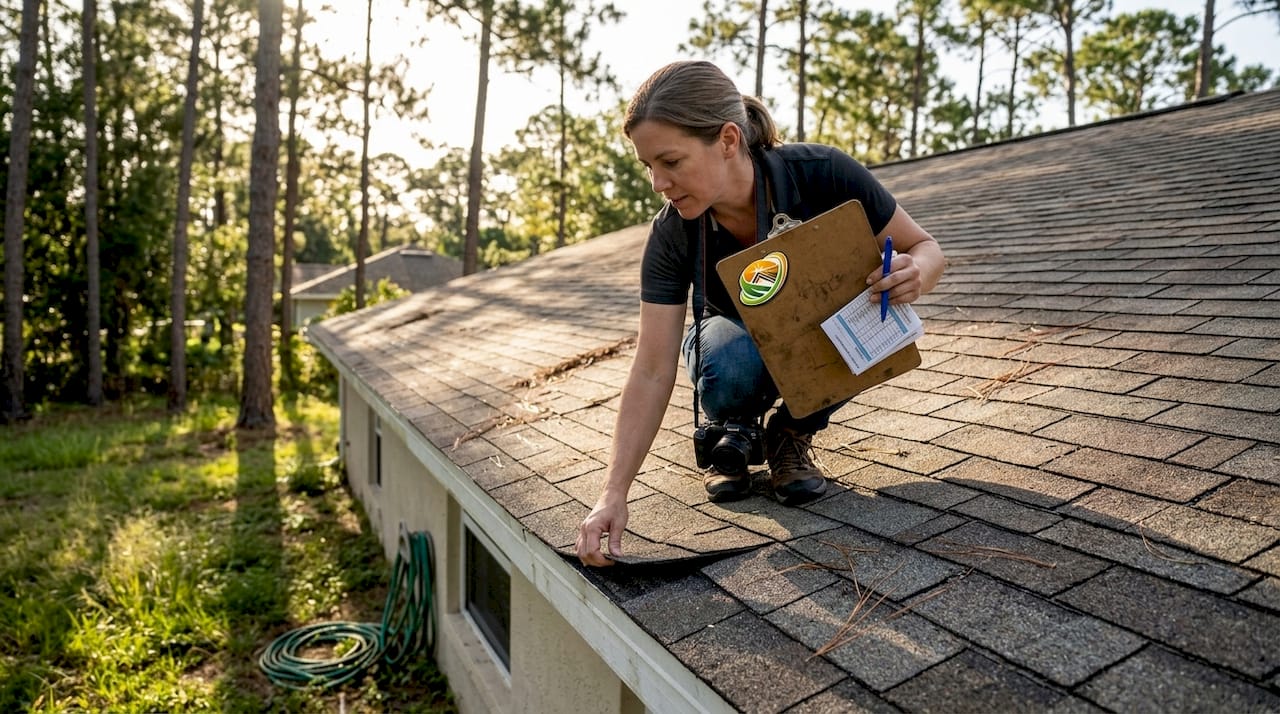
The decision between repairing, renewing, or replacing your roof comes down to three factors: the age of your roof, the extent of the damage, and your insurance situation.
| Roof condition | Recommended action | Why |
|---|---|---|
| Single damaged area, roof under 10 years | Spot repair | Cost-effective, minimal disruption |
| Widespread wear, roof 10-15 years, structurally sound | Renewal treatment | Extends life, avoids replacement cost |
| Repeated leaks, multiple repairs needed | Evaluate replacement | Repair costs can exceed new roof value |
| Roof over 15 years, insurer flagging it | Replacement likely required | Insurance compliance is non-negotiable |
Here is what the data tells us. Repairs are far more affordable than replacement upfront, but repeated repairs on an aging roof can eventually exceed the cost of a new one. If you have called a roofer three times in the past two years, that is a signal worth taking seriously.
Insurance is the other piece of this puzzle. Roofs over 15 years may trigger replacement requirements from your insurer in South Florida. That is not a scare tactic. It is a real policy condition that many homeowners discover too late, often after a storm when they try to file a claim.
Key questions to ask yourself before deciding:
- Has my roof had more than two repairs in the past three years?
- Am I seeing new leaks in different spots each season?
- Has my insurer flagged my roof age or asked for an inspection report?
- Are my shingles losing granules across large sections of the roof?
If you answered yes to two or more of these, a renewal treatment or replacement conversation is overdue. Understanding shingle roofs insurance risks can help you approach that conversation with your insurer from a position of knowledge. Homeowners in specific areas like Jupiter can also explore smart renewal options tailored to their location.
A realistic perspective: Why quick fixes alone won't keep you dry
Beyond the mechanics, here is our take after years of South Florida roof experience.
We see it constantly. A homeowner patches one section, then another, then another. Each repair feels like the right call in the moment. It is cheaper than replacement, and it stops the immediate leak. But over two or three years, those small fixes quietly add up to a number that would have paid for a proper renewal treatment.
More importantly, repeated patching can create a false sense of security. You think the problem is solved. But underneath, moisture may be working its way into the decking, and your insurer may be preparing to drop your coverage at renewal time.
The honest truth is this: quick fixes have their place. A single damaged shingle after a storm? Fix it immediately. But if your roof is aging and you are relying on patches to get through each season, you are not saving money. You are deferring a larger expense and adding risk along the way.
True peace of mind comes from an honest assessment of where your roof actually stands. Sometimes that means investing in renewal. Sometimes it means accepting that replacement is the right move. Either way, knowing is always better than guessing. Reviewing insurance and shingle roof risks before storm season is one of the smartest steps you can take.
Ready to protect your home? Expert help for South Florida roofs
Storm season does not wait, and neither should your roof maintenance plan.

At Shingle Roof Renewal, we specialize in helping South Florida homeowners protect their homes before storms hit, not after. Our certified team uses Fresh Roof's GreenSoy Technology to restore shingle flexibility at the molecular level, extending roof life by 10-15 years at a fraction of replacement cost. Every service is backed by a 6-year transferable warranty. Whether you are in Palm Beach, Broward, or looking for renewal services in Jupiter, we are ready to help. Explore our full range of available renewal services and take the first step toward a roof that is ready for whatever storm season brings.
Frequently asked questions
How long do weatherproofing treatments last on shingle roofs in South Florida?
Most sealants and coatings provide several years of added protection, but evidence for 10-20 years of life extension on shingles specifically remains mixed. Regular inspection is still essential regardless of treatment type.
When should I consider replacing my shingle roof instead of repairing it?
If your roof is over 15 years old or has needed repeated repairs, replacement is often the smarter and more cost-effective choice. Roofs over 15 years may also trigger insurance replacement requirements in South Florida.
What are insurance companies' requirements for older shingle roofs?
Many Florida insurers will deny coverage or require full replacement for roofs older than 15 years, citing elevated storm damage risk. Insurers may deny coverage on aging roofs, so checking your policy before storm season is critical.
Is it safe to apply a coating to an aging shingle roof?
Only if the roof has been thoroughly inspected first. Coatings may mask rot and trap moisture if applied over hidden damage, turning a surface fix into a deeper structural problem.