
TL;DR:
- South Florida's harsh climate accelerates asphalt shingle aging, increasing storm damage risk.
- Regular roof inspections and addressing vulnerabilities can extend roof lifespan and prevent costly damage.
- Proactive renewal methods like cleaning, repair, and coatings are cost-effective alternatives to full replacement.
South Florida homeowners face a serious problem every storm season: aging asphalt shingle roofs that are quietly falling apart before the first major storm even hits. The combination of relentless UV exposure, extreme heat, heavy rain, and high humidity puts shingles under stress that most other states simply don't see. What looks like a minor issue today, a few curling shingles or some granules in the gutter, can turn into a catastrophic failure when 100 mph winds arrive. 50% of shingle roofs were damaged during Hurricane Ian, with older roofs faring far worse. This checklist gives you a clear, practical action plan to assess your roof, address weak spots, and protect your home before the next storm season.
Table of Contents
- How to evaluate your roof's current condition
- Ventilation checklist: Preventing premature granule loss
- Surface maintenance: Cleaning, coating, and minor repairs
- Checklist comparison: Restoration, replacement, rejuvenation
- The uncomfortable truth about South Florida roof longevity
- Explore cost-effective roof renewal services in South Florida
- Frequently asked questions
Key Takeaways
| Point | Details |
|---|---|
| Inspect and document | Regular roof inspections and photographic records help catch early signs of damage. |
| Ventilation matters | Improving attic ventilation can reduce granule loss and shingle wear by up to 15 percent. |
| Clean and repair surfaces | Routine cleaning and minor shingle repairs can prevent costly damage during storms. |
| Choose cost-effective renewal | Restoration and rejuvenation often provide substantial savings versus full roof replacement. |
| Act before storm season | Pre-storm maintenance lowers hurricane damage risk, especially for roofs over 10 years old. |
How to evaluate your roof's current condition
The first step is knowing exactly what you're dealing with. Most homeowners avoid looking at their roof until a leak shows up inside the house. By then, the damage is often much more expensive to fix. A proactive evaluation can catch problems early, when your options are still affordable.
Here's what to look for during a basic visual inspection:
- Missing or displaced shingles. Any gap in your roof's surface is a direct entry point for water. Even one missing shingle can allow moisture to reach the underlayment and wood decking beneath.
- Curling or cupping. Shingles that curl upward at the edges or cup in the center have lost their flexibility. This is a sign of aging or heat damage and means they won't lie flat when wind forces push against them.
- Cracked or broken shingles. Cracking is a clear indicator that the oils holding the shingle together have dried out. In South Florida's heat, this process accelerates faster than in cooler climates.
- Granule loss. Check your gutters. If you're finding a significant amount of small, sand-like particles, your shingles are losing the protective coating that shields them from UV rays and rain. Bare spots on shingles mean they're now fully exposed to the elements.
- Soft spots or sagging. If any area of the roof feels soft when pressure is applied, there's likely water damage to the deck below. This requires immediate attention.
- Interior leaks or staining. Brown stains on your ceiling or attic walls are a sign that water is already getting in somewhere.
Roof age matters more than most people realize. Post-hurricane assessments confirm that damage rates sharply increase for roofs over 10 years old. If your roof is approaching or past that mark, a thorough evaluation is not optional. It's urgent.
Using a roof inspection checklist during your walkthrough helps ensure you don't skip critical areas. Pay special attention to the valleys, around all penetrations like vents and skylights, and along the edges. These spots fail first.
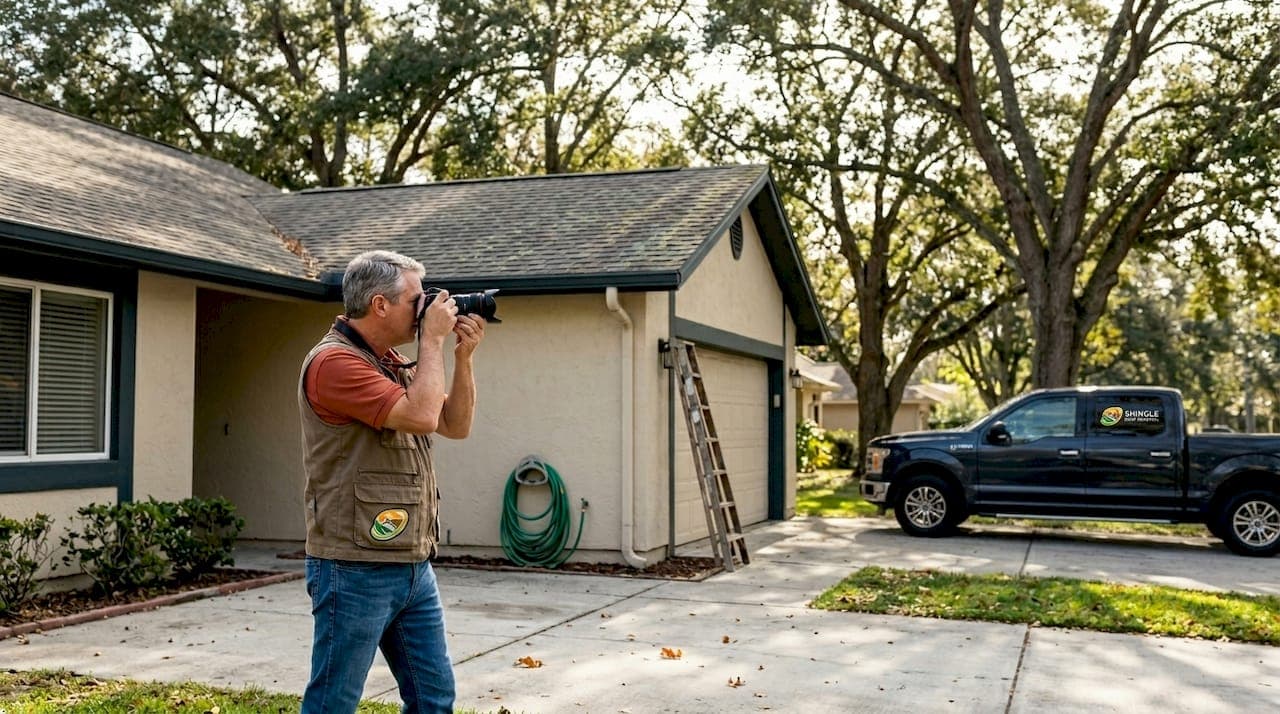
Pro Tip: Take dated photos of your roof from multiple angles before and after any major storm. This creates a visual record that helps you track deterioration over time and supports any insurance claim you may need to file.
After your inspection, use a roof damage assessment workflow to prioritize repairs by urgency. Not every issue needs immediate action, but knowing which ones do saves you from being caught off guard.
With a clear understanding of your roof's vulnerabilities, let's move to targeted fixes that boost longevity.
Ventilation checklist: Preventing premature granule loss
Most homeowners focus only on what they can see from the ground. But some of the most damaging forces working against your shingles are happening from the inside. Poor attic ventilation is one of the most overlooked causes of early roof failure in South Florida.
Here's why it matters: when your attic traps heat, surface temperatures on your shingles can climb well above the ambient temperature outside. In South Florida, where summer days regularly exceed 95°F, that means your shingles could be cooking at extreme temperatures for hours every day. That constant heat degrades the asphalt binder in your shingles, drying them out and causing premature granule loss.
Poor ventilation accelerates granule loss by 12 to 15%, measurably shortening the effective lifespan of your asphalt shingles and increasing vulnerability before storm season.
Understanding the Florida climate impact on roofs helps explain why ventilation is such a critical issue here specifically. Northern states don't deal with the same relentless daily heat load. Our climate is genuinely different, and your maintenance approach needs to reflect that.
Follow this step-by-step ventilation checklist to assess and improve your system:
- Locate your soffit vents. These are the vents along the underside of your roof's overhang. Make sure they are open and not blocked by insulation or debris. Blocked soffit vents are the most common ventilation failure we see.
- Check your ridge vent. The ridge vent runs along the peak of your roof and allows hot air to escape. Inspect it from the attic if possible. If you don't have one, talk to a roofing professional about adding it.
- Inspect gable vents. On homes with gable roofs, vents on the triangular end walls help move cross-ventilation. Confirm they are clear and functioning.
- Measure attic temperature on a hot afternoon. If your attic feels like an oven, your ventilation is inadequate. A properly ventilated attic should be no more than 10 to 15 degrees warmer than the outside temperature.
- Check for moisture or mold in the attic. Excessive humidity trapped in the attic can condense on the underside of the deck. This weakens the wood and contributes to shingle failure from below.
- Consider a powered attic ventilator. In extreme cases, a thermostat-controlled attic fan can pull out trapped heat during peak afternoon hours.
Pro Tip: Use insulated attic covers over any pull-down attic stairs. These are a major source of heat transfer that silently undermines all your other ventilation efforts. The fix costs very little and makes a real difference.
Exploring ventilation alternatives can also help you find solutions matched to your specific home layout and attic design.
Once ventilation is addressed, protecting the roof surface itself takes priority.
Surface maintenance: Cleaning, coating, and minor repairs
Even a well-ventilated roof needs regular surface attention. South Florida's warm, wet climate creates ideal conditions for algae, mold, and mildew to grow on your shingles. Beyond being unsightly, organic growth holds moisture against the shingle surface and accelerates breakdown.
Here's what a solid surface maintenance routine looks like:
- Clean your roof regularly. A gentle low-pressure wash with a diluted bleach solution removes algae and mold without stripping granules. Avoid high-pressure washing, which can dislodge granules and force water under shingles.
- Clear gutters and downspouts. Blocked gutters cause water to back up under shingles at the eaves. In South Florida's rainy season, clogged gutters are a leading cause of water intrusion.
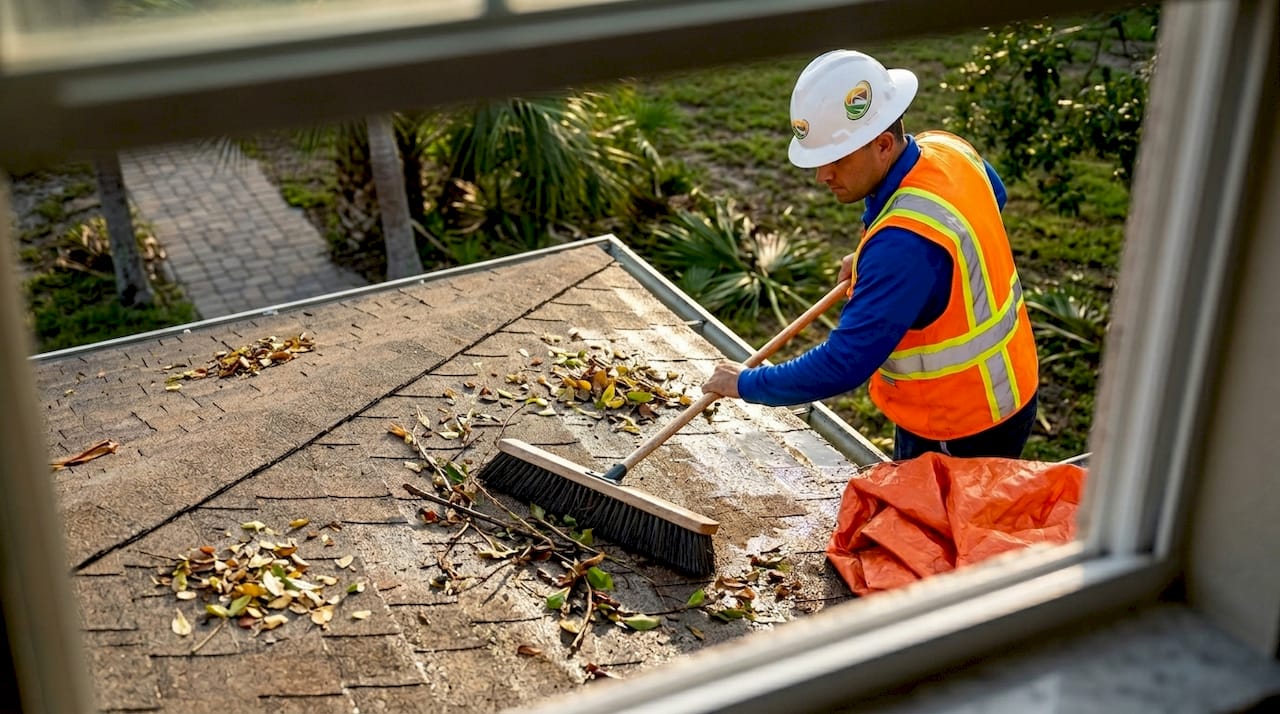
- Remove debris promptly. Leaves, branches, and seed pods sitting on your roof hold moisture and create shaded areas where mold and algae thrive.
- Spot-repair cracked or lifting shingles. Roofing adhesive applied under a lifting shingle edge can prevent water entry and extend the life of that shingle. Cracked shingles can often be sealed with roofing caulk when the damage is minor.
- Replace missing shingles quickly. A single missing shingle can allow water to reach your decking within one rain event. Quick replacement prevents what would otherwise become a much larger repair.
- Apply a protective coating when appropriate. Reflective coatings designed for asphalt shingles can reduce heat absorption and slow surface deterioration. They work best when applied to roofs that are structurally sound but showing early signs of aging.
Research confirms that roofs over 10 years old have significantly higher hurricane damage rates, which means catching surface issues early is your best defense against catastrophic storm damage.
Understanding smart roof renewal in Florida helps you see how surface maintenance fits into a broader, proactive strategy rather than a reactive one. There are several compelling reasons to restore your roof rather than replace it outright, especially when surface deterioration is caught at an early stage.
Pro Tip: Schedule a thorough cleaning and inspection within two weeks after any named storm passes. Storms dislodge granules, lift shingle edges, and push debris under flashing in ways that aren't always obvious during the storm itself.
Having covered maintenance, let's compare cost-effective methods side-by-side to inform your best choice.
Checklist comparison: Restoration, replacement, rejuvenation
When your roof shows signs of aging, you have three main paths: restoration, replacement, or rejuvenation. Each serves a different situation, and choosing the wrong one can either waste money or leave your home under-protected.
Restoration means cleaning, repairing, and applying renewal treatments to your existing shingles to extend their functional life. It's best for roofs in fair to good condition that still have structural integrity but show early wear.
Replacement means tearing off the old roof and installing new shingles. It's the right choice when shingles are beyond saving, typically when the roof is severely damaged, very old, or shows widespread structural failure. Full replacement in South Florida typically runs between $15,000 and $30,000.
Rejuvenation uses chemical treatments to re-introduce flexibility into dried-out shingles. Standard rejuvenation products coat the surface. Advanced options like Fresh Roof's GreenSoy Technology penetrate at the molecular level, restoring the asphalt binder itself for longer-lasting results. Learn more about the difference between Fresh Roof vs standard rejuvenation to understand why not all rejuvenation products deliver the same results.
Here's how the three options compare:
| Option | Typical cost | Lifespan extension | Best for | Risk reduction |
|---|---|---|---|---|
| Restoration | Low to moderate | 5 to 10 years | Roofs with minor to moderate wear | Moderate |
| Replacement | $15,000 to $30,000 | 20 to 30 years | Severely damaged or very old roofs | Highest |
| Rejuvenation (GreenSoy) | Up to 80% less than replacement | 10 to 15 years | Roofs 7 to 20 years old, structurally sound | High |
Post-hurricane data reinforces that aging roofs face compounding risk, which means the checklist you choose needs to match both your roof's current age and its condition, not just one or the other.
Pros and cons at a glance:
- Restoration: Affordable and effective for early-stage wear. Limited benefit for severely aged or structurally compromised roofs.
- Replacement: Delivers the longest lifespan and the best storm protection. The cost is significant, and it's often unnecessary for roofs that qualify for renewal.
- Rejuvenation: Cost-effective, minimally invasive, and backed by warranty when done with certified technology. Works best before damage becomes too severe.
The key takeaway: the earlier you act, the more options you have. A roof that qualifies for rejuvenation today could require full replacement in two years if neglected.
Now that you have an overview of key strategies, it's time to weigh expert perspective to help finalize your decision.
The uncomfortable truth about South Florida roof longevity
Most roof maintenance advice you'll find online treats South Florida like any other market. It doesn't. And that gap between generic advice and local reality is exactly where homeowners get hurt.
Here's what we've learned from years of work in Broward and Palm Beach County: patchwork repairs don't solve compounding problems. When a roof has been under sustained UV stress, humidity pressure, and storm impact for over a decade, patching a few shingles doesn't change the underlying trajectory. The whole system is aging, and individual fixes only address symptoms.
The climate impacts on shingle roofs here are not just worse than average. They are in a different category entirely. The thermal cycling alone, shingles expanding and contracting in daily heat swings, causes micro-fracturing that no surface repair can address.
What post-hurricane assessments make clear is that roofs over 10 years old don't just perform a little worse in storms. They fail at dramatically higher rates. And the difference isn't random. It's directly tied to how much flexibility and integrity the shingles have lost.
The homeowners who come out ahead are not the ones who spend the most money. They're the ones who act early, before deterioration crosses the point of no return. A roof that qualifies for renewal today could save you $20,000 or more compared to the cost of a full replacement. But that window closes. Waiting costs you options.
Our honest advice: don't wait for a leak to motivate you. Use the checklist in this article right now, before storm season starts. If your roof is between 7 and 20 years old and structurally sound, you likely have a real opportunity to extend its life significantly at a fraction of replacement cost.
Explore cost-effective roof renewal services in South Florida
You've done the research. Now the question is: what's the right next step for your specific roof?
At Shingle Roof Renewal, we work exclusively in Broward and Palm Beach County, helping homeowners like you determine whether your roof qualifies for renewal before the cost of waiting turns into a replacement bill.
Our roof renewal services include a free inspection, a detailed condition assessment, and an honest recommendation about whether your roof is a strong candidate for GreenSoy Technology renewal. We're a certified applicator of Fresh Roof technology, which means we deliver results backed by a 6-year transferable warranty. Whether you're in Delray Beach or anywhere across South Florida, our Delray Beach roof renewal team is ready to help. Visit Shingle Roof Renewal to schedule your free inspection today and find out if your roof qualifies before storm season begins.
Frequently asked questions
How often should I check my shingle roof for damage in South Florida?
Check your shingle roof at least twice a year and after every major storm, since storm damage rates are significantly higher for aging roofs in South Florida's climate.
What's the impact of poor attic ventilation on shingle roof lifespan?
Poor ventilation can accelerate granule loss by 12 to 15%, meaning your shingles age faster and lose their protective layer years ahead of schedule.
Is roof restoration always cheaper than replacement in South Florida?
Restoration and rejuvenation are typically far more affordable, but the right choice depends on your roof's age and current condition since older roofs with widespread structural failure may require full replacement.
Can protective roof coatings really extend shingle life?
Yes, protective coatings repel water, resist algae, and slow UV degradation when applied to shingles that are still in reasonably good shape, making them a worthwhile part of any maintenance plan for aging South Florida roofs.
How does roof age affect hurricane damage risk?
Post-hurricane data confirms that shingle roofs over 10 years old sustain significantly more damage during storms, making proactive maintenance and timely renewal essential for any homeowner approaching that threshold.