
TL;DR:
- Choosing the right roof coating in South Florida depends on climate conditions, roof slope, and existing shingle health. Silicone offers the best resistance to ponding water and UV rays, making it ideal for wet, low-slope roofs, while acrylic is budget-friendly for well-drained, steep-pitched roofs. Proper surface preparation and professional inspection are essential to maximize coating performance and extend roof lifespan effectively.
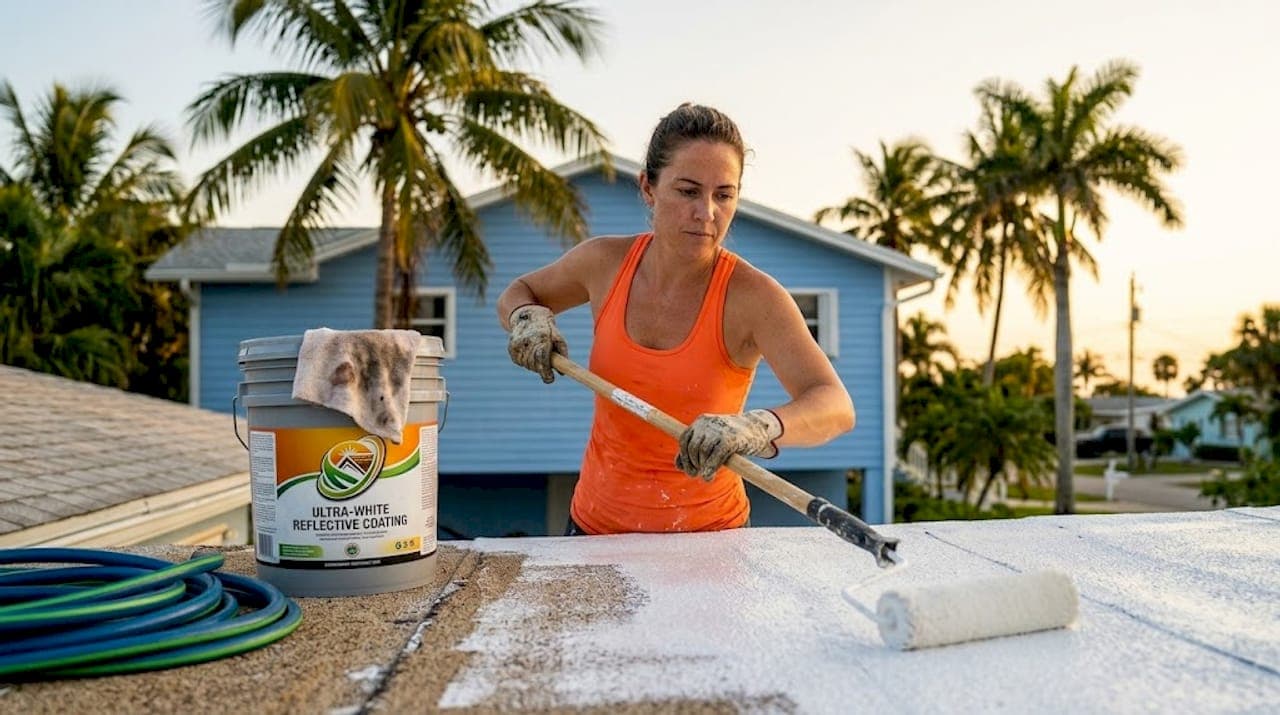
If your asphalt shingle roof in Broward or Palm Beach County is showing signs of wear, understanding the examples of roof coating materials available to you could mean the difference between a $2,000 repair and a $25,000 replacement. South Florida's climate is punishing. Intense UV exposure, hurricane-season storms, and the relentless summer heat dry out shingles faster than almost anywhere else in the country. The right roof coating can slow that damage, extend your roof's life, and save you serious money. This guide breaks down every major coating type so you can make an informed decision.
Table of Contents
- Key takeaways
- Examples of roof coating materials: how to choose the right one
- 1. Acrylic roof coatings
- 2. Silicone roof coatings
- 3. Polyurethane roof coatings
- 4. Comparison of the three main coating materials
- 5. What South Florida homeowners should do before applying any coating
- My take: the mistake most Florida homeowners make when picking a roof coating
- Protect your South Florida roof for a fraction of replacement cost
- FAQ
Key takeaways
| Point | Details |
|---|---|
| Match coating to climate | South Florida's heat, UV rays, and storm moisture require coatings specifically rated for ponding water and UV stability. |
| Silicone leads for wet conditions | Silicone coatings withstand ponding water indefinitely, making them ideal for low-slope shingle roofs in Florida. |
| Acrylic suits drier, pitched roofs | Acrylic is budget-friendly and UV-resistant but fails under standing water, so roof pitch matters here. |
| Prep work determines success | No coating performs well on a poorly prepared surface. Primers and clean substrates are non-negotiable. |
| Renewal beats replacement | A professionally applied coating system can extend your roof's life by 10 to 15 years at a fraction of replacement cost. |
Examples of roof coating materials: how to choose the right one
Before comparing specific products and chemistries, you need a framework. Not every coating works on every roof. Roof coating selection depends on substrate type, roof slope, expected ponding water, and local climate conditions.
For homeowners in Broward and Palm Beach counties, these factors carry extra weight:
- UV exposure. Florida's sun is relentless year-round. Coatings lose reflectivity as they age, so check both initial and aged solar reflectance values before buying.
- Ponding water. Poor drainage after summer storms means many South Florida roofs sit in standing water. Ponding water longer than 48 hours eliminates acrylic as a viable option.
- Roof slope and condition. A steeper pitch sheds water faster and tolerates more coating types. Flat or low-slope shingle sections need a ponding-resistant chemistry.
- Existing shingle condition. Granule loss, curling edges, and surface chalking all affect how well a coating bonds. Damaged surfaces may need priming or treatment before any coating goes down.
- Budget vs. lifespan tradeoff. Acrylic coatings run $1.50 to $3.00 per square foot while silicone runs $2.50 to $5.00. Paying more upfront for the right product often saves money over its full service life.
Pro Tip: Before you commit to any coating material, check your roof's drainage pattern during the next rainstorm. If water pools anywhere for more than a day, silicone or polyurethane is your only smart choice.
Understanding these criteria helps you use the comparisons below the right way. Treat them as a decision guide, not just a product list.
1. Acrylic roof coatings
Acrylic coatings are water-based, easy to apply, and the most affordable entry point among all types of roof coatings. They cure by water evaporation, which means application is straightforward and cleanup is easy. For homeowners on a tighter budget with steeper-pitched shingle roofs, acrylic is a reasonable starting point.
The biggest selling point is solar reflectivity. White acrylic coatings bounce sunlight away from your roof, which lowers attic temperatures and reduces your air conditioning load. In South Florida, where your AC runs hard for nine or ten months a year, that matters.
Here is where acrylic performs well and where it falls short:
- Lifespan: 10 to 15 years with proper surface preparation
- UV resistance: Good, maintains reflectivity reasonably well on pitched surfaces
- Ponding water resistance: Poor. Acrylic softens and degrades when exposed to standing water, making it a bad fit for flat or low-slope shingle sections
- ASTM standard: ASTM D6083 requires a minimum tensile strength of 200 psi and elongation of at least 100%
- Coverage rate: Roughly 75 to 100 square feet per gallon at standard wet mil thickness
- Cost: Most affordable among the three main types
Pro Tip: If your shingle roof has a slope of at least 2:12 and drains completely within a few hours after rain, acrylic can be a smart, cost-effective choice. If water lingers, move on to silicone.
Acrylic is a solid coating for the right roof. The problem is that many South Florida homes have low-slope sections or aging shingles that do not drain reliably. Know your roof before you commit.
2. Silicone roof coatings
Silicone is widely regarded as the best roof coating option for South Florida's climate, and for good reason. It is the only common coating chemistry that withstands ponding water indefinitely without degrading. After a heavy August storm drops three inches of rain in an afternoon, your silicone-coated roof handles the pooling without softening, blistering, or losing adhesion.
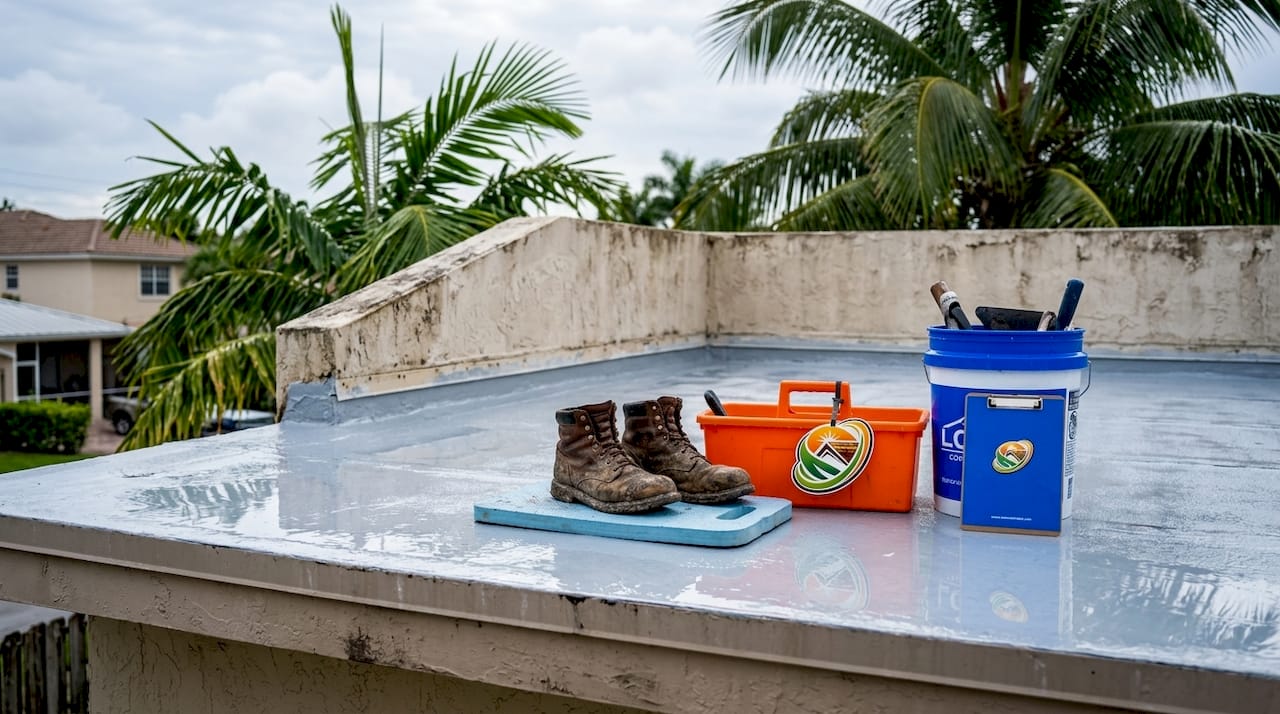
The UV stability is equally impressive. White silicone coatings start with a solar reflectance of 0.80 to 0.88 and age down to roughly 0.65 to 0.75. That aged reflectance still meets Florida's energy code compliance thresholds for cool roofs, which means real, measurable energy savings over the coating's full life.
Key performance characteristics of silicone:
- Lifespan: 15 to 20 years under normal Florida conditions
- Ponding water resistance: Excellent. The industry standard for wet climates
- UV stability: High. Retains reflectivity better than acrylic over time
- ASTM standard: Governed by ASTM D6694, with minimum tensile strength of 150 psi and elongation of 100%
- Coverage rate: 60 to 80 square feet per gallon at recommended film thickness
- Cost: $2.50 to $5.00 per square foot, higher than acrylic but justified by longevity in wet conditions
There is one important limitation. Silicone requires recoating only with silicone due to its low surface energy. Switching to a different coating chemistry later means stripping the silicone off first, which adds cost and labor. Commit to silicone and stick with it.
Silicone also tends to pick up dirt and turn gray faster than other coatings. Periodic cleaning helps maintain reflectivity. That is a small maintenance trade-off for a coating that genuinely protects your shingles through Florida's harshest weather.
Pro Tip: Ask your contractor for the aged Solar Reflectance Index (SRI) value for any silicone product they recommend, not just the initial value. The aged number is what your roof will actually perform at after one to two years in the Florida sun.
3. Polyurethane roof coatings
Polyurethane sits at the premium end of residential roof coating product examples. It delivers superior impact and abrasion resistance compared to both acrylic and silicone. If your neighborhood in South Florida sees frequent hail events or if your roof has sections where foot traffic happens regularly, polyurethane is worth the extra cost.
Most quality polyurethane systems use a two-coat approach. An aromatic base coat goes down first, providing the structural toughness and strong adhesion. An aliphatic topcoat follows, adding UV resistance and color stability. The combination optimizes weathering performance and is a key reason polyurethane lasts 15 to 20 years even in demanding climates.
Performance profile for polyurethane:
- Lifespan: 15 to 20 years with a properly applied two-coat system
- Impact resistance: Excellent. The best among standard coating types for handling hail and mechanical damage
- Abrasion resistance: High, making it ideal where foot traffic occurs
- Ponding water resistance: Good, though typically not as proven as silicone for long-duration standing water
- Coverage rate: 50 to 75 square feet per gallon, lower than acrylic due to thicker required film build
- Cost: Higher material and labor costs than both acrylic and silicone
The main reason most homeowners in Broward and Palm Beach counties do not default to polyurethane is cost. It makes sense on roofs with specific mechanical stress concerns. For a standard residential shingle roof that just needs UV protection and waterproofing, silicone or acrylic usually delivers better value per dollar spent.
4. Comparison of the three main coating materials
Here is how the three primary roof sealing materials stack up side by side for South Florida asphalt shingle roofs:
| Feature | Acrylic | Silicone | Polyurethane |
|---|---|---|---|
| Lifespan | 10 to 15 years | 15 to 20 years | 15 to 20 years |
| Cost per sq ft | $1.50 to $3.00 | $2.50 to $5.00 | $3.00 to $6.00+ |
| Ponding water resistance | Poor | Excellent | Good |
| UV stability | Good | Excellent | Good (with aliphatic top) |
| Impact resistance | Low | Moderate | Excellent |
| Recoat flexibility | High | Silicone only | Moderate |
| Best use case | Steeper pitched, well-drained roofs | Low-slope, wet climate exposure | High-traffic or hail-prone roofs |
Pro Tip: Always ask for the manufacturer's technical data sheet, not just the sales brochure. Look for the tested tensile strength, elongation percentage, and aged solar reflectance numbers. Those tell you how the coating actually performs, not how it is marketed.
For most homeowners in Broward and Palm Beach counties, silicone is the strongest all-around choice. If budget is the primary concern and your roof drains well, acrylic works. If you have a section of roof with foot traffic or serious hail exposure, polyurethane earns its premium price.
5. What South Florida homeowners should do before applying any coating
Choosing the right material is only half the job. The other half is making sure your roof is actually ready for a coating. Skipping proper surface preparation is the single most common reason coatings fail early, regardless of how good the product is.
Here is what proper preparation and maintenance looks like for asphalt shingle roofs in South Florida:
- Clean the roof surface thoroughly. Algae, mold, and dirt are everywhere in Florida's humid climate. They prevent adhesion. A professional cleaning comes first, every time.
- Inspect for granule loss and curling. Shingles that have lost significant granules or are actively curling may need renewal treatment before a coating can help.
- Use a primer on porous or chalky surfaces. Weathered shingles often have a chalky surface layer. A primer seals that layer and gives the coating something solid to grab onto.
- Seal all penetrations and seams first. Around pipe boots, vents, and flashings, apply fabric reinforcement and sealant before the main coating goes on. These are the spots where failure starts.
- Schedule regular inspections. Even a great coating benefits from a check-up every two to three years. Catching a small spot of delamination early prevents a much larger problem.
- Address drainage before coating. If water pools on your roof, fixing the drainage issue takes priority over any coating decision.
A professional inspection is the smartest first step. For South Florida homeowners, the combination of a qualified inspection and an appropriate coating system is how you get 10 to 15 more years out of a roof that might otherwise need full replacement. Check out this roof longevity checklist to see the full picture of what protects your shingle roof long-term.
Pro Tip: If your shingles are cracking, curling, or losing granules, a coating alone will not fix the underlying issue. Ask about roof renewal treatments that restore shingle flexibility before applying a protective coating on top.
My take: the mistake most Florida homeowners make when picking a roof coating
I have worked with enough South Florida roofs to see the same mistake over and over. Homeowners compare coating prices per gallon and choose the cheapest option. Then they call back two years later wondering why the coating is peeling.
Price per gallon tells you almost nothing useful. What matters is the total installed cost per year of actual performance. A silicone coating that costs twice as much as acrylic but lasts twice as long in Florida's wet climate is not more expensive. It is actually a better financial decision.
The other thing I have learned is that homeowners underestimate how much South Florida's unique climate narrows their real choices. You are not shopping from the full national menu of roof surface treatment examples. You are shopping for something that can handle standing water after every summer storm, UV that fades coatings faster than in cooler states, and the thermal expansion and contraction from temperature swings. Coating chemistry must match that specific stress profile, not just look good on a product sheet.
My honest advice: get a professional inspection before you pick a coating. You need to know your roof's actual condition, slope, and drainage pattern before any coating conversation makes sense. Coating a roof that needs renewal first is like painting over rust. And if your shingles are already dried out, cracked, or losing granules, a coating is not your first step. Restoring the shingle itself is.
— Daniellison
Protect your South Florida roof for a fraction of replacement cost
If your asphalt shingle roof in Broward or Palm Beach County is showing its age, Shingleroofrenewal has a smarter path forward than a full replacement. Using certified GreenSoy Technology, we restore shingles at the molecular level, stopping deterioration and extending your roof's life by 10 to 15 years. Most homeowners save up to 80% compared to replacement, and every renewal comes backed by a 6-year transferable warranty. Our process starts with a free roof inspection so you know exactly what your roof needs before spending a dollar. If your roof qualifies, we will tell you clearly and honestly. Schedule your free inspection today at Shingleroofrenewal and find out if your roof can be saved.
FAQ
What are the main examples of roof coating materials?
The three primary roof coating materials are acrylic, silicone, and polyurethane. Each differs in ponding water resistance, UV stability, cost, and ideal application scenario.
Which roof coating is best for South Florida's climate?
Silicone is generally the best choice for South Florida because it withstands ponding water indefinitely and holds up to intense UV exposure better than acrylic over its full service life.
How long do roof coatings last on asphalt shingles?
Acrylic coatings typically last 10 to 15 years, while silicone and polyurethane both last 15 to 20 years, depending on surface preparation, drainage, and local weather conditions.
Do I need to prep my roof before applying a coating?
Yes. Surface cleaning, priming chalky or porous areas, and sealing penetrations are all required steps. Skipping prep is the leading cause of early coating failure on residential shingle roofs.
Can a roof coating replace a full roof replacement?
A coating extends the life of a roof that still has structural integrity. If shingles are severely deteriorated, renewal treatment may be needed first. Coatings are not a substitute for addressing underlying shingle damage.