
TL;DR:
- Homeowners in Broward and Palm Beach County face rapid roof aging due to intense sun, humidity, and storms, making renewal a cost-effective alternative to full replacement. Advances in cool coatings, impact-resistant shingles, and molecular renewal technologies extend roof life and improve energy efficiency at a fraction of the cost, often up to 80% less. Early assessment and timely renewal can preserve insurance coverage, reduce costs, and enhance home value, especially when performed before hurricane season.
If you own a home in Broward or Palm Beach County, your roof is aging faster than almost anywhere else in the country. The constant sun, humidity, and storm season take a serious toll on asphalt shingles. And with roof project costs up 25 to 45% since 2021, the idea of a full replacement is enough to make any homeowner's stomach drop. But here's what most people don't know: the roof renewal trends 2026 is bringing to South Florida make replacement far less necessary than you might think. The right renewal approach can extend your roof's life by a decade or more, at a fraction of the cost.
Table of Contents
- Key takeaways
- Roof renewal trends 2026: what's changing for asphalt shingles
- What aging looks like in South Florida's climate
- Renewal vs. replacement: the real cost comparison
- How to assess your roof and plan your next move
- Energy savings and insurance benefits that pay you back
- My take on where South Florida homeowners go wrong
- How Shingleroofrenewal helps South Florida homeowners save thousands
- FAQ
Key takeaways
| Point | Details |
|---|---|
| Replacement costs are rising fast | Labor shortages and tariffs have pushed full replacement costs up significantly since 2021. |
| Renewal can save up to 80% | Asphalt shingle renewal costs far less than replacement and adds 10 to 15 years of life. |
| South Florida climate accelerates damage | UV exposure, heat, and storms cause shingles to crack, curl, and lose granules faster here. |
| Cool roof coatings cut energy bills | Reflective coatings can reduce attic temperatures and lower AC energy use by up to 20%. |
| Act early for the best outcome | Catching shingle deterioration early keeps your roof eligible for renewal instead of replacement. |
Roof renewal trends 2026: what's changing for asphalt shingles
The biggest shift in roofing trends 2026 is not about swapping materials. It's about getting more life out of what's already on your home. That said, the technology behind asphalt shingle roofing has genuinely moved forward.
Here are the trends reshaping how South Florida homeowners think about their roofs:
- Cool roof coatings are going mainstream. Reflective coatings designed for asphalt shingles can reduce surface temperatures by up to 50°F, which matters enormously when you're living under South Florida's relentless sun. These coatings are now being applied as part of renewal treatments rather than full replacements.
- Recycled-content shingles are gaining traction. Manufacturers are producing shingles with recycled rubber, plastic, and wood fiber content. Sustainability has shifted from optional to required, and homeowners are asking for it by name.
- Class 4 impact-resistant ratings are the new standard. In a region that sees serious hail and hurricane-force wind, Class 4 shingles reduce insurance claims and may even lower your annual premium. Many renewal treatments now pair with upgraded granule technology to improve impact resistance on existing shingles.
- Matte finishes and dark monochromatic tones are trending. Homeowners in Broward and Palm Beach counties are moving away from the traditional tan and brown blends toward charcoal, slate, and near-black tones. These finishes hold their look longer and pair well with modern home exterior designs.
- Solar integration is evolving for shingle roofs. While full solar tile systems are still expensive, photovoltaic-compatible coatings and solar-ready asphalt shingle systems are making it easier to add energy generation without a full roof tear-off.
Pro Tip: If you're planning any renewal work, ask your contractor specifically about cool-roof-compatible treatments. In South Florida's climate, the energy savings alone can offset a significant portion of your investment within the first two to three years.
These home roofing innovations are not just for new construction. Most of them can be applied to your existing asphalt shingle roof, which is exactly why renewal is becoming one of the smartest moves a South Florida homeowner can make.
What aging looks like in South Florida's climate
South Florida is genuinely one of the harshest climates for asphalt shingles. The combination of intense UV exposure, high humidity, and the kind of storms that define hurricane season creates conditions that degrade shingles years faster than the national average.
UV exposure and intense weather patterns dry out the oils inside asphalt shingles, causing them to lose flexibility and begin cracking, curling, and shedding granules. When granules wash off, the asphalt underneath is exposed directly to the sun. Once that happens, the deterioration accelerates. Most homeowners don't notice until there's a leak or a storm sends shingles into the yard.
Here's a practical checklist of what to look for on your own roof:
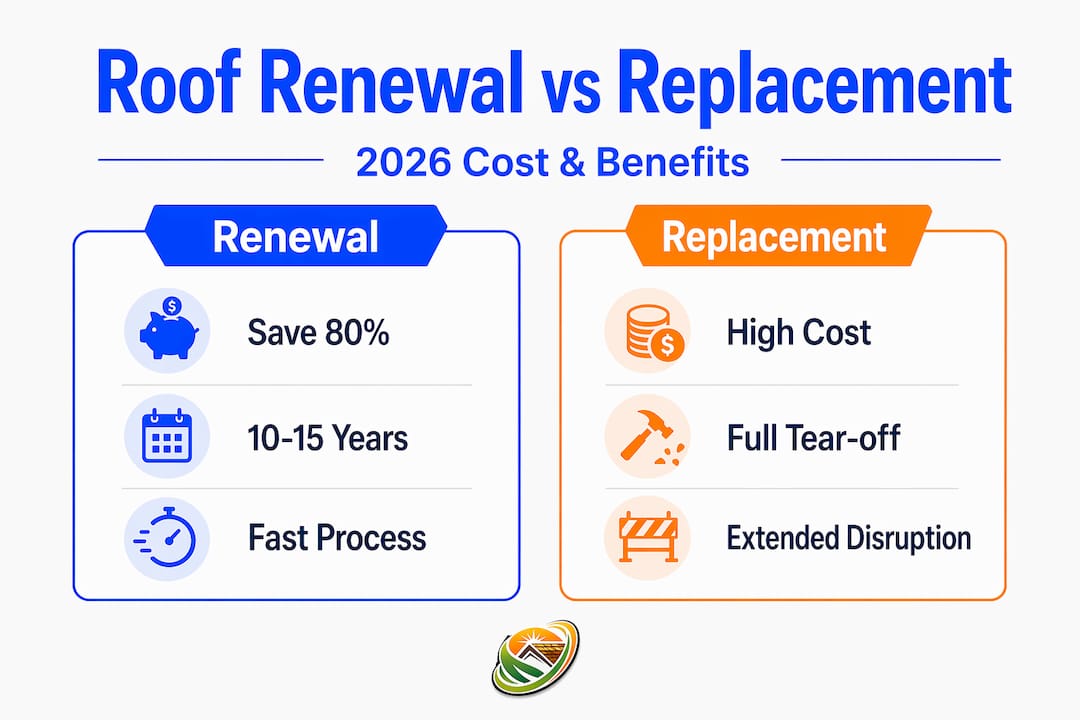
- Granule loss in gutters. If you're finding a significant buildup of dark, sand-like material in your gutters after rain, your shingles are shedding granules.
- Curling at the edges or center. Shingles that curl upward at the edges (cupping) or downward in the middle (clawing) are losing structural integrity.
- Cracking or brittleness. Shingles that crack when you lightly press them are too far gone for light treatment but may still qualify for renewal.
- Bald patches. Spots where the granule surface has worn away entirely, leaving the asphalt exposed.
- Dark streaking or staining. Often a sign of algae or moisture intrusion, which speeds up shingle breakdown.
- Sagging areas. Any section of the roof deck that looks soft or sunken signals deeper structural damage that needs immediate professional evaluation.
Pro Tip: Walk around your home after any major storm and check your gutters and downspouts. What you find there tells you more about your shingle health than what you can see from the ground.
The good news is that roof renewal can extend roof life by 10 to 15 years when these problems are caught early. Treatments that restore flexibility to aged asphalt stop further cracking and granule loss from progressing. For insurance purposes, a well-maintained and recently treated roof is also far easier to insure than one that looks neglected. That detail matters a great deal in today's South Florida insurance market.
Renewal vs. replacement: the real cost comparison
This is where roofing renovations 2026 gets practical. Most homeowners in Broward and Palm Beach counties assume that a deteriorating roof means writing a check for $15,000 to $30,000. But the math doesn't always support that decision.
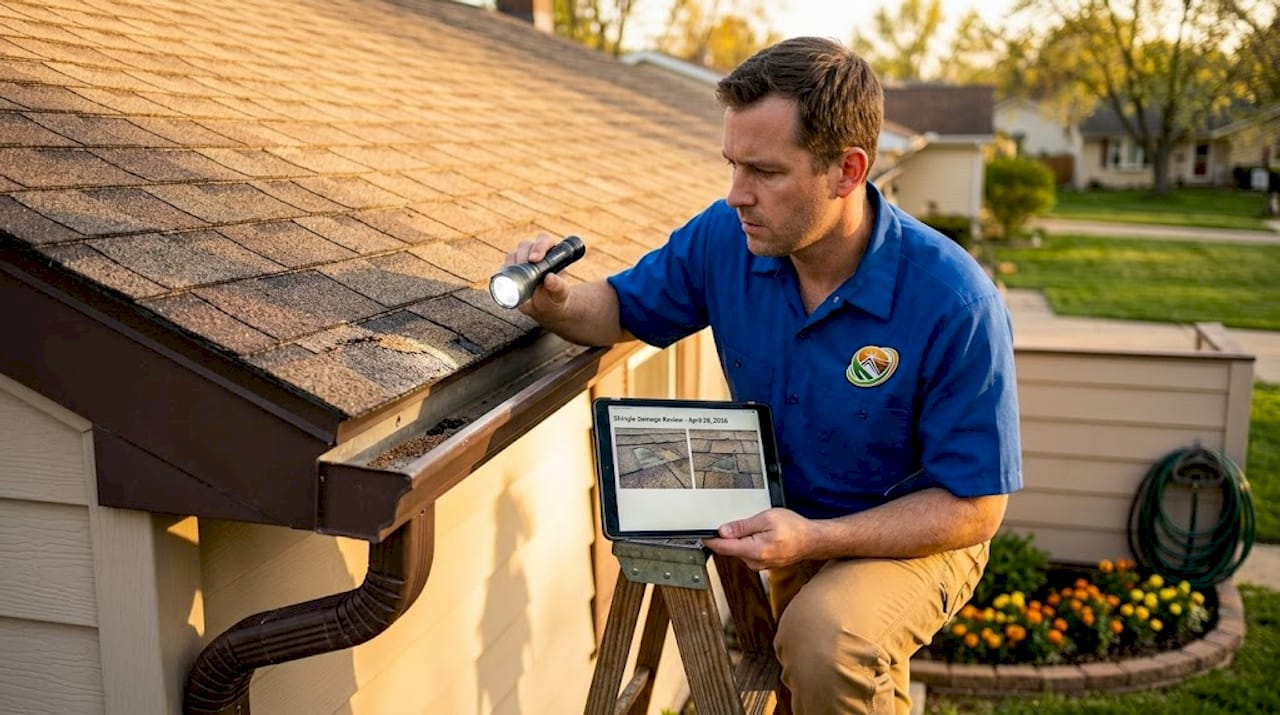
Here's a side-by-side look at what the numbers actually look like:
| Factor | Renewal | Full Replacement |
|---|---|---|
| Average cost | $1,500 to $4,000 | $15,000 to $30,000 |
| Life extension | 10 to 15 years | 20 to 25 years (new roof) |
| Labor disruption | Low (1 day or less) | High (2 to 5 days) |
| Environmental impact | Minimal (no tear-off waste) | Significant landfill contribution |
| Transferable warranty | Yes (6 years with GreenSoy) | Varies by contractor |
| Savings vs. replacement | Up to 80% | Baseline cost |
The labor shortage piece is not a minor footnote. A shortage of approximately 349,000 roofing workers nationwide is pushing project timelines out and driving labor costs up faster than material costs. That means a full replacement quote you received two years ago is almost certainly too low today.
Renewal sidesteps most of that problem. There's no full tear-off crew required, no dumpster, no multi-day project. And environmentally, keeping your existing shingles out of the landfill is a concrete sustainability win. If you want to explore sustainable roofing steps that fit a real budget, renewal is where to start.
The one scenario where replacement genuinely makes sense is when the roof deck itself is compromised or when more than 30% of the shingles are severely damaged. For most aging roofs that have been reasonably maintained, renewal is the smarter financial and environmental choice.
How to assess your roof and plan your next move
Knowing the trends is useful. Knowing whether your specific roof qualifies for renewal is what actually saves you money. Here's how to approach the evaluation process in Broward and Palm Beach counties:
- Start with a visual inspection from the ground. Use binoculars if needed. Look for curling, missing shingles, and visible sagging. Note any areas that look darker or wetter than the rest.
- Check your attic after rain. Any daylight coming through, water stains on the sheathing, or soft spots in the wood decking are red flags that go beyond surface-level renewal.
- Know the 25% rule. Most roofing professionals agree that if more than 25% of your shingle surface is damaged, a full replacement becomes worth evaluating. Below that threshold, renewal is almost always the better path.
- Time it before storm season. In South Florida, the best window for renewal work is late winter through early spring, before the June-to-November hurricane season puts your roof under maximum stress.
- Ask the right questions when hiring a contractor. Ask specifically whether they are a certified applicator of any renewal technology, what warranty they offer, and whether they carry local experience in Broward or Palm Beach County specifically. AI-assisted contractors now respond faster and provide more accurate estimates, so don't settle for slow callbacks.
For a detailed look at the full process, the roof renewal workflow guide covers each step a Florida homeowner should follow before signing anything.
Energy savings and insurance benefits that pay you back
The future of roofing technology in South Florida is increasingly tied to two financial realities: your utility bill and your insurance premium.
On the energy side, reflective coatings reduce attic temperatures and AC energy use by up to 20%. That's a meaningful number when you're running central air eight or nine months a year. Advanced coatings now offer reflective, impact-resistant features that deliver real performance in hot climates, not just marketing claims.
On the insurance side, the stakes are even higher:
- Class 4 impact-rated shingles can qualify your home for premium discounts in hurricane-prone regions. Some South Florida insurers require upgraded shingles to maintain coverage on older homes.
- A maintained, recently treated roof is a stronger asset at renewal time than one that shows visible neglect. Insurers are increasingly inspecting roofs before issuing or renewing policies in Broward and Palm Beach counties.
- Proactive renewal protects your insurability. A roof that fails an insurer's inspection can trigger a non-renewal notice. Staying ahead of deterioration keeps you in control of that conversation.
- Resale value holds up. Proactive renewal maximizes ROI by up to 56.9% for asphalt shingles by avoiding emergency repairs and improving your negotiating position when you sell.
The bottom line: a renewal treatment that costs $2,000 to $3,000 can preserve thousands more in insurance access, energy costs, and resale value. That's a return most home improvement projects can't match.
My take on where South Florida homeowners go wrong
I've talked to hundreds of homeowners in Broward and Palm Beach counties about their roofs, and the pattern is almost always the same. They wait. They notice the curling, the granule loss, the dark streaks and they think, "I'll deal with it after hurricane season." Then the estimate comes back at $22,000, and that delay cost them the renewal window entirely.
In my experience, the biggest misconception is that a deteriorating roof is automatically a replacement. It's not. Most roofs I see that homeowners think are finished could have been renewed two years earlier for a fraction of the cost. The problem isn't the roof. It's the timing.
I also want to be honest about contractor selection. Not every company offering "roof rejuvenation" is using technology that actually penetrates the shingle at a molecular level. There's a real difference between a surface spray and a treatment like GreenSoy Technology that restores the asphalt's flexibility from the inside out. Ask for certification. Ask for the warranty in writing. And ask whether they have specific experience with South Florida's climate, because a contractor who works primarily in the Midwest is not going to give you advice calibrated to what happens here in August.
The roof assessment process is not complicated, but it has to happen before the damage crosses the point of no return. My advice: schedule the inspection now, not after the next storm.
— Daniellison
How Shingleroofrenewal helps South Florida homeowners save thousands
If your asphalt shingle roof is showing signs of aging, you may not need to replace it. Shingleroofrenewal is a certified applicator of Fresh Roof's GreenSoy Technology, the only treatment that restores shingle flexibility at the molecular level and extends roof life by 10 to 15 years. Homeowners in Boca Raton, Delray Beach, and Plantation are saving up to 80% compared to full replacement costs.
The process starts with a free roof inspection. We assess your shingles, evaluate the damage, and tell you honestly whether your roof qualifies for renewal. If it does, you get a 6-year transferable warranty and years added back to your roof. Visit Shingleroofrenewal to schedule your free inspection today. The sooner you act, the more options you have.
FAQ
What are the top roof renewal trends in 2026 for South Florida?
The leading trends include cool roof reflective coatings, Class 4 impact-resistant shingle treatments, and molecular-level renewal technologies like GreenSoy that restore shingle flexibility without full replacement. All are well suited to South Florida's heat and storm exposure.
How much can I save with roof renewal instead of replacement?
Renewal costs up to 80% less than full replacement, with treatments typically running $1,500 to $4,000 compared to $15,000 to $30,000 for a new roof in the South Florida market.
How do I know if my roof qualifies for renewal or needs replacement?
If less than 25 to 30% of your shingles are damaged and your roof deck is structurally sound, renewal is likely a strong option. A professional inspection by a certified applicator is the most reliable way to know for certain.
Can roof renewal lower my homeowner's insurance costs?
Yes. Treatments that incorporate Class 4 impact-resistant properties can reduce insurance claims and may lower premiums. Maintaining a roof in good condition also protects your insurability in South Florida's tightening insurance market.
When is the best time to schedule a roof renewal in Broward or Palm Beach County?
Late winter through early spring is ideal. Completing renewal before hurricane season gives your treated shingles time to fully perform and protects your home during the June-to-November storm window.