
TL;DR:
- South Florida roofs age faster due to intense sun, storms, and weather, often requiring proactive maintenance.
- Rejuvenation treatments with soybean oil can restore flexibility and extend shingle lifespan effectively.
- Proper inspection, early intervention, and understanding options help avoid unnecessary costly full replacements.
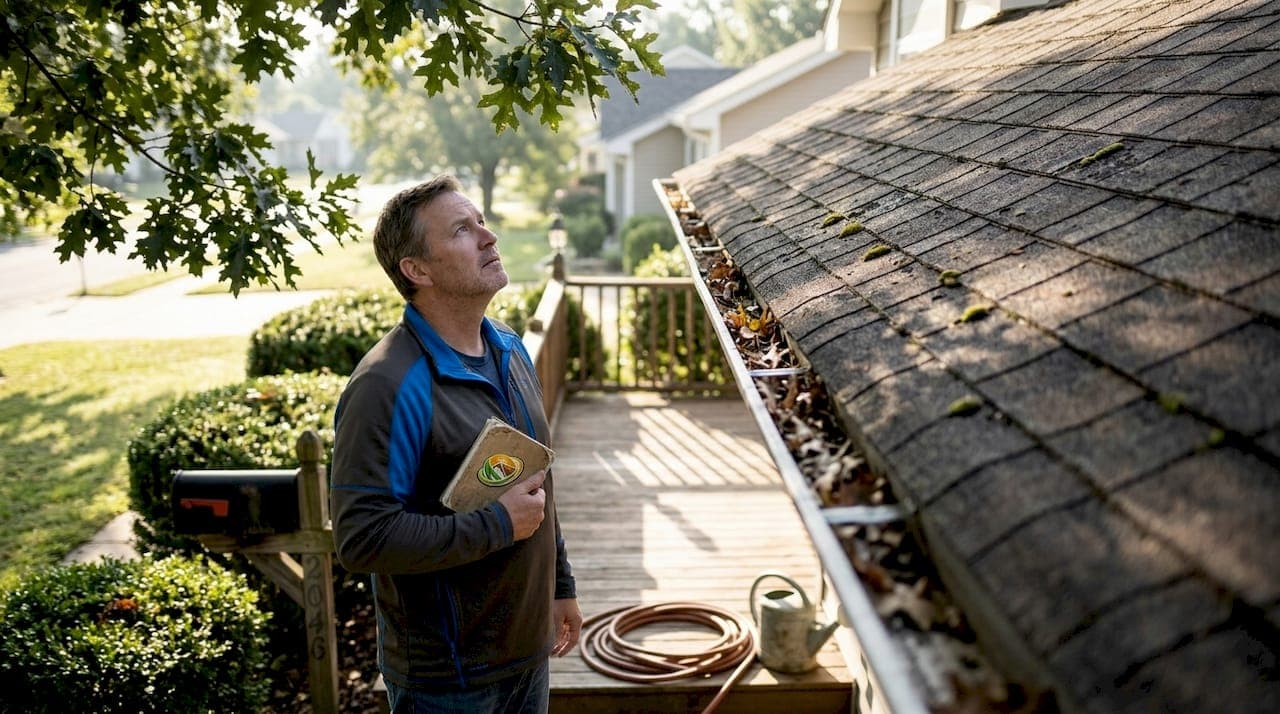
Your asphalt shingle roof is showing its age, and someone has already told you it's time for a full replacement. But what if that advice is costing you tens of thousands of dollars you don't need to spend? In Broward and Palm Beach counties, the intense sun, heavy rain, and storm season accelerate shingle wear faster than in most of the country. That doesn't automatically mean replacement is your only option. New evidence-backed methods can restore, protect, and extend your roof's life at a fraction of the cost. This article breaks down what actually works, what to skip, and how to make the smartest decision for your home and budget.
Table of Contents
- The reality behind aging asphalt shingles
- Cost-effective roof maintenance strategies
- Emerging shingle rejuvenation treatments: Do they really work?
- When to repair, rejuvenate, or replace: Making the smart choice
- Why most homeowners miss out on cost-effective roof renewal
- Take the next step to renew your roof and save
- Frequently asked questions
Key Takeaways
| Point | Details |
|---|---|
| Maintenance delays replacement | Proactive roof upkeep and rejuvenation can add years to your current asphalt shingle roof. |
| Rejuvenation restores flexibility | Soybean oil-based rejuvenators can restore aging shingles’ flexibility and storm resistance per lab evidence. |
| Choose solutions wisely | The smartest choice varies—repair, rejuvenate, or replace—depending on your roof’s age and condition. |
| Act before leaks start | Early intervention provides the best return and cost savings for South Florida homeowners. |
The reality behind aging asphalt shingles
With the stakes so high for roof care, let's first understand what "aging" really means for asphalt shingles locally.
Asphalt shingles are built to last, but South Florida puts them through a stress test that most of the country never sees. Year-round UV exposure bakes the oils out of shingles, making them brittle. Afternoon downpours push moisture into micro-cracks. Then hurricane season adds wind pressure and flying debris on top of it all. The result is that roofs in Broward and Palm Beach counties can show significant aging 5 to 7 years sooner than roofs in cooler, drier climates.
Here's the important distinction most homeowners miss: there is a real difference between a damaged roof and a worn roof.
- Damaged shingles have active leaks, missing sections, rotted decking, or structural compromise. These problems genuinely require repair or replacement.
- Worn shingles show surface-level deterioration: granule loss, minor curling, slight brittleness, or fading. These are signs of age, not necessarily failure.
Worn shingles are often candidates for restoration, not replacement. A solid roof inspection checklist helps you see exactly where your roof stands before making any decisions.
Signs your aging roof may benefit from maintenance rather than replacement:
- Granule loss visible in gutters but no exposed mat underneath
- Slight curling at shingle edges without cracking through
- Surface discoloration or algae growth without moisture infiltration
- A roof under 20 years old with no active leaks
"Shingle rejuvenation is most effective for early aging roofs without leaks." Lab testing confirms that soybean oil emulsions restore flexibility and hail resistance in aged shingles, though some industry groups remain cautious about field application.
The industry skepticism is worth noting. Some roofing associations question whether lab results translate perfectly to every real-world scenario. That's fair. But it also doesn't mean rejuvenation is worthless. It means you need a qualified professional to assess whether your specific roof is a good candidate. The worst decision is assuming replacement is the only path without checking your options first.
Cost-effective roof maintenance strategies
Now that you understand how roofs age, let's get specific on what maintenance actually makes a difference.
Proactive maintenance is the single most underused tool available to South Florida homeowners. Most people ignore their roof until something fails. By then, options are limited and costs spike dramatically. A consistent maintenance routine can add years to your roof's life and keep minor issues from becoming major ones.
Here is a practical maintenance sequence that works:
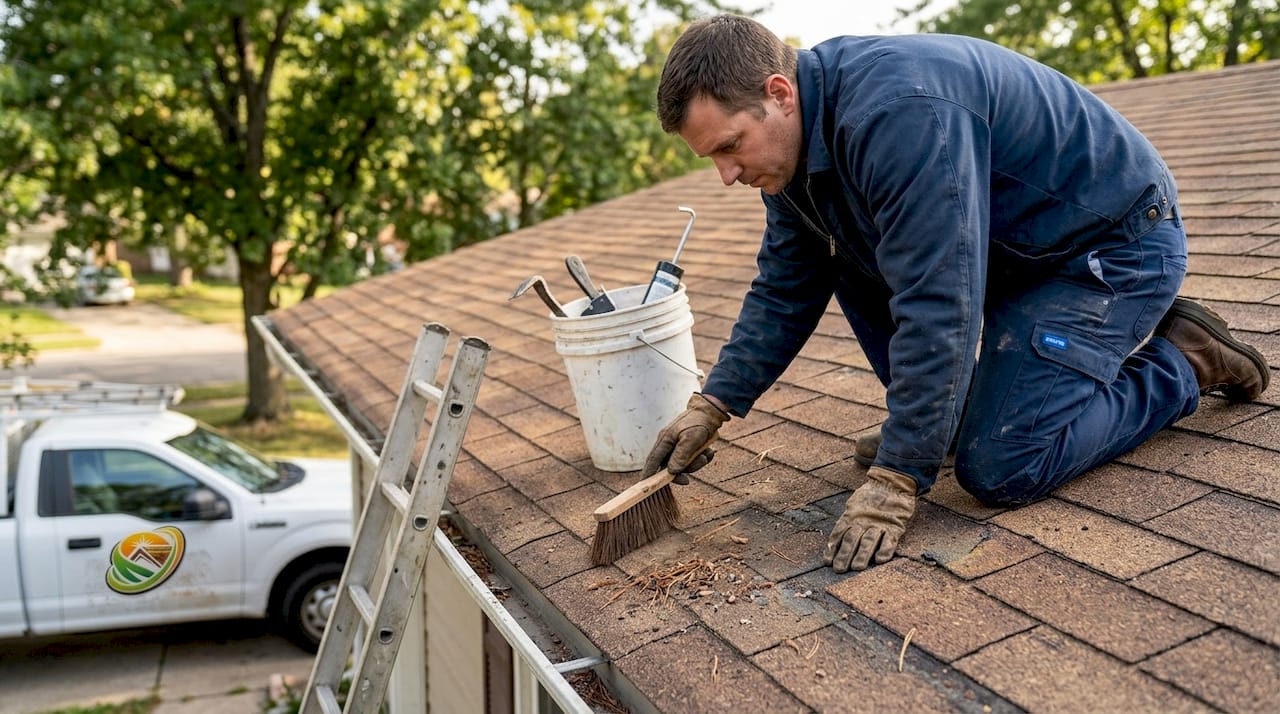
- Schedule a professional inspection every 1 to 2 years. South Florida's storm season creates damage that isn't always visible from the ground. A professional eye catches issues early.
- Clear gutters and downspouts twice a year. Blocked drainage causes water to back up under shingles, especially during heavy rain events.
- Trim overhanging trees before hurricane season. Branches scrape granules off shingles and become projectiles in high winds.
- Seal any exposed nail heads or minor gaps promptly. Small entry points lead to moisture damage in decking, which escalates costs quickly.
- Document your roof's condition with photos after major storms. This supports insurance claims and gives you a baseline for tracking deterioration.
- Consider rejuvenation treatment before leaks develop. Early intervention gives restoration treatments the best chance of success.
That last point deserves emphasis. Lab and field data consistently support rejuvenation treatments for roofs that aren't yet leaking. Once active water infiltration begins, your options narrow significantly.
Pro Tip: Don't wait for your next storm to think about your roof. Schedule a professional assessment in early spring, before hurricane season begins. Catching a problem in April is far less expensive than managing it in September.
There are also compelling financial reasons to restore your roof instead of replace it. Restoration costs a fraction of full replacement, often preserves your existing warranty protections, and can be completed without the disruption of a full tear-off. Understanding the roof assessment process before committing to any path puts you in control of the decision.
Emerging shingle rejuvenation treatments: Do they really work?
Maintenance is essential, but what if you could actually restore your shingles' resilience?
Rejuvenation treatments go beyond surface cleaning or patching. They work by reintroducing the oils and flexibility that heat and UV exposure have stripped from your shingles over time. The most advanced treatments today use plant-based compounds, particularly soybean oil emulsions, to penetrate the shingle structure and restore its original characteristics.
What the science says:
Research shows that soybean oil emulsions restore flexibility, making aged shingles perform closer to new in lab tests. Specifically, treated shingles showed improved flexural modulus scores, meaning they bend rather than crack under impact. Hail resistance also improved significantly in controlled testing. These aren't cosmetic results. They reflect genuine structural recovery at the material level.
How rejuvenation compares across your options:
| Option | Average cost | Lifespan added | Best for |
|---|---|---|---|
| Basic maintenance only | $200 to $600/year | 2 to 4 years | Any roof age |
| Rejuvenation treatment | $1,500 to $4,000 | 10 to 15 years | Roofs under 20 years, no leaks |
| Full replacement | $15,000 to $30,000 | 20 to 30 years | Severely damaged roofs |
A critical distinction exists between standard rejuvenation products and advanced certified treatments like GreenSoy Technology. Standard rejuvenators may coat the surface. GreenSoy Technology, used by certified applicators like Shingle Roof Renewal, penetrates at a molecular level, restoring flexibility and providing fire-resistance benefits that surface treatments cannot match. It's worth understanding the difference between fresh roof vs. rejuvenation approaches before choosing a provider.
Industry groups like ARMA and NRCIA have raised reservations, primarily around consistency of results across different roof types and climates. That's a legitimate concern. But for a worn South Florida roof that still has structural integrity, a certified rejuvenation treatment from a qualified applicator is a very different proposition than an unverified off-the-shelf product.
When to repair, rejuvenate, or replace: Making the smart choice
With so many choices, let's break down when each option truly makes sense for your roof and budget.
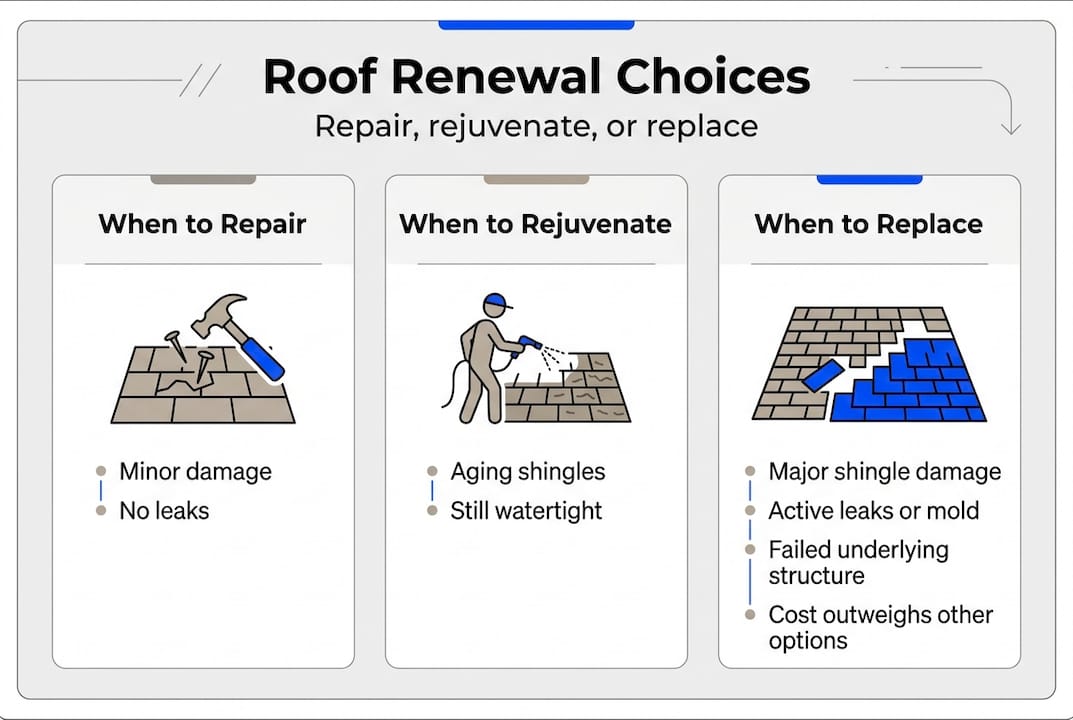
Not every roof is a rejuvenation candidate. Not every worn roof needs replacement either. The right decision depends on a clear-eyed look at a few key factors.
Key decision factors:
- Roof age: Shingles under 15 years are strong candidates for rejuvenation. Between 15 and 20 years, assessment determines eligibility. Over 20 years with multiple issues, replacement becomes more likely.
- Leak status: Best results from rejuvenation come from early-aging roofs without active leaks. Leaks signal that deterioration has progressed past what restoration alone can address.
- Extent of damage: Missing shingles, exposed decking, or widespread cracking points toward repair combined with rejuvenation, or full replacement.
- Your local weather exposure: South Florida's storm and heat intensity means roofs here age faster. That raises the urgency of early intervention.
Decision guide by scenario:
| Roof condition | Recommended action |
|---|---|
| Minor granule loss, no leaks, under 15 years | Rejuvenation treatment |
| Isolated damage after a storm | Targeted repair |
| Moderate wear, no leaks, 15 to 20 years old | Professional assessment first |
| Active leaks, major shingle loss | Repair or full replacement |
| Structural decking damage | Full replacement |
Before committing to any path, review your choices carefully. Understanding shingle renewal alternatives gives you a broader view of what's available. And if you're unsure where your roof stands, a side-by-side look at fresh roof vs. rejuvenation options helps clarify which solution fits your situation.
Pro Tip: Never make a replacement decision based on a free estimate from a contractor who only sells replacements. Get an independent assessment from a certified restoration specialist first. You may save $20,000 or more.
Why most homeowners miss out on cost-effective roof renewal
Let's step back and consider why so many people still overlook these practical, cost-saving options.
Here's what we've observed after working with hundreds of homeowners across South Florida: most people don't choose replacement because it's the best option. They choose it because it's the only option they were ever presented with.
The roofing industry is structured around installation. Most contractors earn more from a full tear-off and replacement than from a restoration service. That creates an incentive, whether intentional or not, to recommend replacement earlier than necessary. Insurance adjusters often push the same direction after storm events.
Homeowners also underestimate their roofs. When shingles start looking worn, the instinct is to assume the worst. But worn is not the same as failed. A roof that looks tired may have years of viable life left with the right intervention.
Evidence-based approaches to restore instead of replace break this cycle. When you go into a contractor conversation informed, knowing the difference between deterioration and damage, knowing that certified rejuvenation exists and works, you ask better questions and get better outcomes. The savings aren't accidental. They come from making decisions based on your roof's actual condition, not someone else's business model.
Take the next step to renew your roof and save
Equipped with this new understanding, here's how you can take action and secure your roof investment.
If your roof is showing signs of wear but hasn't reached the point of active leaks or structural failure, there's a good chance it still qualifies for renewal. Shingle Roof Renewal's certified renewal services use GreenSoy Technology to restore your shingles and extend your roof's life by 10 to 15 years, backed by a 6-year transferable warranty.
We serve homeowners throughout Broward and Palm Beach counties, including Delray Beach roof renewal and surrounding communities. With storm season always on the horizon, timing matters. The earlier you act, the more we can do for your roof. Schedule your free inspection today and find out if your roof qualifies for renewal before the next season tests it.
Frequently asked questions
What is the most affordable way to extend my shingle roof's life?
Timely roof rejuvenation using certified treatments is the most affordable path, with soybean oil emulsions restoring flexibility and hail resistance in lab tests, adding years before any replacement becomes necessary.
Do roof rejuvenation treatments really work in South Florida's climate?
Yes, when applied to the right roof. Modern rejuvenators backed by lab and field data restore flexibility and resistance effectively, but they perform best on roofs without active leaks or major structural damage.
How do I know if my roof should be repaired, rejuvenated, or replaced?
If your roof has no active leaks, no exposed decking, and is under 20 years old, early-aging roofs without leaks are typically strong candidates for rejuvenation or targeted repair over full replacement.
Will my insurance cover roof rejuvenation or repair?
Most homeowner policies prioritize replacement after major storm damage, but some insurers recognize maintenance and restoration as proactive care. Check your specific policy language and ask your agent directly about coverage for rejuvenation treatments.