
TL;DR:
- Roof restoration extends the service life of asphalt shingle roofs at a fraction of replacement costs, especially for qualifying roofs aged 7–15 years in Florida. Proper assessment, including adhesion and moisture testing, is essential to ensure the treatment's success and prevent wasted expenses. Insurance policies in South Florida often influence the timing and economics of restoration versus full replacement.
Roof restoration is the process of rejuvenating an existing asphalt shingle roof to extend its service life at a fraction of replacement cost. For homeowners in Broward and Palm Beach County, this distinction matters enormously. Professional restoration costs 30%–50% of full replacement and can add 10–15 years of service life to a qualifying roof. That means a roof that might otherwise cost $15,000–$25,000 to replace could be preserved for $4,000–$8,000 instead. The catch is that not every roof qualifies, and getting the assessment right is what separates a smart investment from a wasted one.
What makes a roof a good candidate for restoration?
The prime eligibility window for roof restoration is a roof that is roughly 7–15 years old with less than 40% granule loss and no structural damage. Outside that window, restoration either comes too early to matter or too late to work. Shingles that have already lost most of their granules, cracked through, or curled at the edges have passed the point where a restorative coating can reverse the damage.
Professionals use a short checklist to evaluate whether a roof qualifies:
- Age: The roof should be in the 7–15 year range with meaningful life still remaining
- Granule loss: Less than 40% uniform surface loss across the shingle field
- Physical condition: Minimal curling, no structural sagging, and no signs of rot in the decking
- Leak history: No active leaks or evidence of water intrusion into the attic
- Adhesion test: A small patch of the roof is cleaned and coated to verify the shingles can chemically bond with a restorative treatment
- Moisture scan: Infrared or electronic scans confirm the decking and insulation are dry before any coating is applied
The adhesion test is the one most homeowners overlook. Brittle or oversaturated shingles won't bond with restoration coatings, meaning the treatment will peel or fail within months. Skipping this step is how homeowners end up spending money on a restoration that does nothing.
Pro Tip: Ask any restoration contractor whether they perform an adhesion test before quoting. If they say it isn't necessary, that is a red flag worth taking seriously.
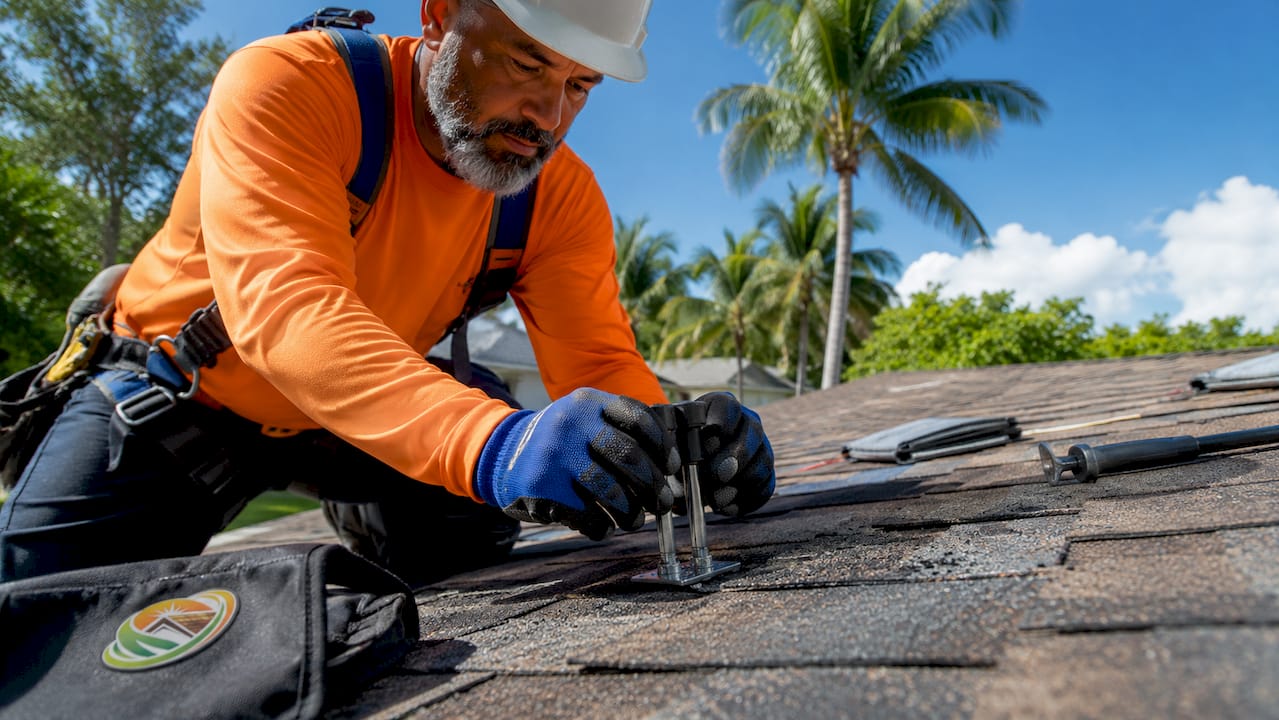
The moisture scan matters just as much. Restoration coatings trap moisture underneath the surface, so applying them over wet decking or saturated insulation will accelerate rot rather than slow it. A qualified inspector will always scan before they coat.
How does roof restoration compare to full replacement?
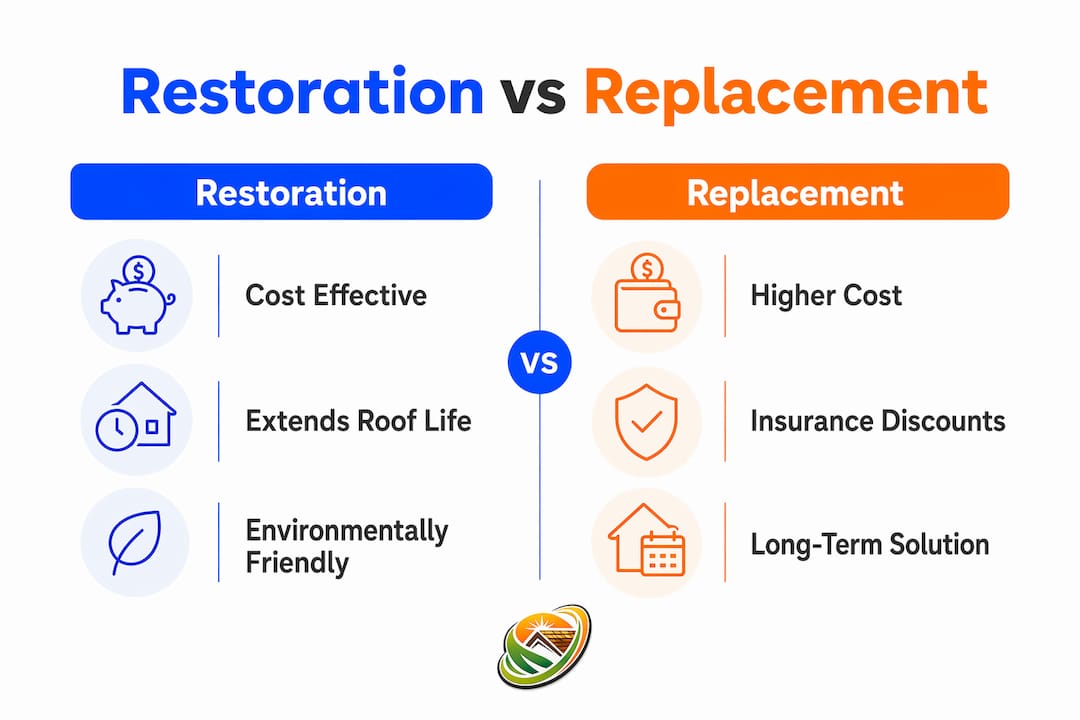
The financial gap between restoration and replacement is significant, and the right choice depends on your roof's condition, age, and your insurance situation.
| Factor | Roof restoration | Full replacement |
|---|---|---|
| Typical cost | $4,000–$8,000 | $12,000–$25,000+ |
| Lifespan added | 10–15 years | 25–30 years |
| Insurance impact | Minimal change | May reduce premiums 10%–35% |
| Best for | Roofs aged 7–15 years, good condition | Roofs with advanced damage or age |
| Environmental impact | Delays landfill waste | Generates significant tear-off waste |
Full replacement can unlock annual insurance premium discounts of $500–$2,000+ for Florida homeowners, which changes the math considerably. A homeowner saving $1,500 per year on premiums after a $20,000 replacement recoups that cost in about 13 years. Restoration, by contrast, rarely triggers premium reductions because insurers base rates on roof age, not condition.
That said, restoration wins on pure upfront cost for homeowners whose roofs genuinely qualify. Spending $6,000 to add 12 years of life to a roof that is otherwise in good shape is a sound financial decision. The mistake is forcing restoration on a roof that needs replacement, or replacing a roof that still has years of restorable life left.
Restoration also carries a real environmental benefit. Every roof that avoids a full tear-off keeps thousands of pounds of asphalt shingles out of landfills. For homeowners who care about that outcome, it is a meaningful factor in the decision.
What roof restoration technologies and processes are used?
The restoration process follows a clear sequence that most qualified contractors complete in one to two days. Here is what to expect:
- Surface cleaning: Algae, moss, and debris are removed using low-pressure washing or chemical treatment. Biological growth left on the roof will prevent coatings from bonding properly.
- Minor repairs: Isolated damaged or missing shingles are replaced. Flashing around chimneys, vents, and skylights is resealed to eliminate entry points for water.
- Adhesion and moisture testing: The contractor tests a small area and scans for moisture before proceeding. This step protects the homeowner from a failed treatment.
- Coating application: A restorative coating is applied across the shingle surface. The best treatments penetrate the shingle at a molecular level, restoring flexibility and locking in remaining granules.
- Final inspection: The contractor walks the roof to verify even coverage and check that all repairs are sealed.
Shingleroofrenewal uses Fresh Roof's Green Soy Technology, which is certified to restore shingle flexibility and extend roof life by 10–15 years. The soy-based formula penetrates deeply into the shingle rather than sitting on the surface, which is what separates it from basic coating products.
Pro Tip: Attic ventilation directly affects how long a restoration treatment lasts. Attic temperatures can reach 150°F in South Florida, and that heat accelerates shingle aging from the inside out. Ask your inspector to check ventilation while they are on the roof.
The full process typically takes one day for an average-sized home. Homeowners do not need to vacate the property. The roof is walkable again within hours of coating application.
How do Florida's climate and insurance market affect restoration decisions?
South Florida's climate is uniquely hard on asphalt shingles. Intense UV exposure, high humidity, and frequent heavy rain accelerate the drying and cracking process that restoration is designed to slow. A shingle roof in Broward or Palm Beach County ages faster than the same roof in a cooler, drier climate. That makes early intervention more valuable here than almost anywhere else in the country.
Florida's insurance market adds a layer of complexity that does not exist in most other states. Key factors to understand:
- Age-based non-renewals: Many Florida insurers will not renew policies on roofs older than 15–20 years, regardless of physical condition. A failed insurer inspection can force replacement even when the roof is structurally sound.
- Premium discounts after replacement: New roofs often qualify for 10%–35% annual premium reductions, which can add up to thousands of dollars over a decade.
- Restoration and insurer acceptance: Restoration does not reset the roof's age in the eyes of an insurer. A 14-year-old restored roof is still a 14-year-old roof on your policy.
- Timing matters: Restoring a roof at year 10 buys time and saves money. Restoring at year 14 may only delay an insurer-forced replacement by a year or two, making the math less favorable.
- True cost modeling: The financially sound approach is to calculate the 10-year total cost of restoration plus any insurance premium increases against the cost of replacement plus premium savings.
The insurance position affects the economics of this decision more heavily in Florida than anywhere else. Homeowners who ignore the insurance angle often make the wrong call, spending on restoration when replacement would have paid for itself through premium savings.
How can homeowners assess their roof and choose restoration wisely?
A preliminary self-assessment takes about 20 minutes and can tell you whether a professional inspection is worth scheduling. Use this checklist before calling anyone:
- Check the age: Pull your closing documents or permit records. If the roof is under 7 years old, restoration is premature. If it is over 18 years old, replacement is likely the better path.
- Look for granule loss: Check your gutters after rain. Heavy granule accumulation is a sign the shingles are past their prime.
- Inspect for curling: Walk the perimeter and look at shingle edges from the ground. Curling at corners or edges signals advanced drying.
- Check for leaks: Look at your attic ceiling after heavy rain. Any staining or moisture means water is already getting through.
- Review your insurance policy: Call your insurer and ask directly whether your roof's age affects your renewal eligibility.
Once you have done that self-check, a professional inspection fills in what you cannot see from the ground. Ask the contractor these specific questions before agreeing to any work:
- Do you perform an adhesion test before applying any coating?
- Do you use a moisture scan on the decking and insulation?
- What warranty do you offer, and is it transferable if I sell the home?
A 6-year transferable warranty, like the one Shingleroofrenewal backs its work with, is a strong signal that the contractor stands behind the treatment. Contractors who cannot offer a transferable warranty are worth questioning.
Pro Tip: Get a restoration vs replacement comparison in writing before committing to either option. A qualified professional should be able to show you the cost-benefit breakdown specific to your roof's age and condition.
Warning signs that a roof is beyond restoration include widespread shingle cracking, multiple active leaks, visible sagging in the decking, and any sign of rot in the structural framing. If you see two or more of those signs, skip the restoration conversation and go straight to replacement quotes.
Key takeaways
Roof restoration is the most cost-effective option for South Florida homeowners with qualifying roofs aged 7–15 years, but insurance timing and proper condition testing determine whether it actually saves money.
| Point | Details |
|---|---|
| Restoration cost advantage | Restoration costs $4,000–$8,000 versus $12,000–$25,000+ for full replacement. |
| Eligibility window | Roofs aged 7–15 years with less than 40% granule loss are the best candidates. |
| Adhesion and moisture testing | Both tests are non-negotiable before any coating is applied to avoid treatment failure. |
| Florida insurance factor | Insurers may non-renew roofs over 15–20 years old regardless of restoration status. |
| Early intervention wins | Restoring at year 10 delivers far better value than waiting until year 14 or 15. |
What I've learned after years of watching homeowners get this wrong
The most common mistake I see is homeowners treating restoration and replacement as interchangeable options to be chosen by price alone. They are not. Restoration is a precision tool. It works when applied to the right roof at the right time. Applied too late, it is money spent on a roof that needed to come off anyway.
The second mistake is ignoring the insurance angle entirely. Florida homeowners who restore a 14-year-old roof and then get a non-renewal notice 18 months later feel blindsided. They should not be. The insurer's rules are knowable in advance. A 10-minute call to your insurance agent before scheduling any roof work can save you from a very expensive miscalculation.
What I find genuinely encouraging is how many roofs in Broward and Palm Beach County are still restorable. South Florida's climate is brutal, but most homeowners call for help earlier than they used to. A roof that gets its first professional assessment at year 8 or 9 has real options. The same roof ignored until year 16 usually does not.
The environmental case for restoration also deserves more attention than it gets. Every unnecessary tear-off sends thousands of pounds of asphalt shingles to a landfill. Restoration that adds 12 years of life to a qualifying roof is not just a financial win. It is the responsible choice when the roof genuinely qualifies.
My honest advice: get the inspection, do the adhesion test, check with your insurer, and then decide. The data will tell you which path makes sense. Do not guess on a $20,000 decision.
— Daniellison
Your South Florida roof may qualify for preservation
If your roof is showing early signs of aging, the best move is a professional assessment before those signs become a replacement bill.
Shingleroofrenewal is a certified Fresh Roof applicator serving Broward and Palm Beach County homeowners. We inspect your roof, assess its condition, and tell you honestly whether it qualifies for renewal. If it does, you get a cost-effective restoration backed by a 6-year transferable warranty. If it does not, we tell you that too. No pressure, no upsell. Our free roof inspection gives you the information you need to make the right call before spending $15,000 or more on a replacement that may not be necessary yet. Call us before you call the roofer.
FAQ
What is roof restoration, and how does it work?
Roof restoration is the process of cleaning, repairing, and applying a restorative coating to an existing asphalt shingle roof to extend its service life. The treatment rejuvenates shingle flexibility, locks in granules, and improves waterproofing without removing the existing roof.
How long does a restored roof last?
A professionally restored roof that qualifies for treatment can gain 10–15 additional years of service life. Results depend on the roof's condition at the time of treatment and the quality of the coating system used.
Is roof restoration worth it in South Florida?
Restoration is worth it for roofs aged 7–15 years in good structural condition, where the cost savings over replacement are significant. Florida's insurance market means homeowners should also confirm their insurer's age-based renewal rules before choosing restoration over replacement.
What tests should a contractor perform before restoring my roof?
A qualified contractor performs an adhesion test to verify shingles can bond with the coating, and a moisture scan to confirm the decking and insulation are dry. Skipping either test risks treatment failure or accelerated damage.
Can roof restoration affect my homeowner's insurance?
Restoration does not reset your roof's age for insurance purposes. Florida insurers base renewal eligibility on the roof's original installation date, so a restored 15-year-old roof may still face non-renewal. Check with your insurer before committing to restoration if your roof is approaching the 15-year mark.