
Yes, when your architectural asphalt shingles are structurally sound and roughly 8 to 20 years old, rejuvenation can restore flexibility and add years before you need a full tear-off. It won't fix a roof with active leaks or rotted decking, and it isn't a one-time forever fix.
- Eligibility snapshot: No active leaks, less than 20% shingle failure, and only modest granule loss in the gutters
- Cost range: Professional treatment typically runs $0.85 to $1.65 per square foot
- Life gain: Each application generally adds several years of usable life
A qualified roof that gets treated early can push replacement off for a decade or more with repeat applications. A roof past that window needs a roofer, not a rejuvenation crew.
Key Takeaways
Architectural shingle rejuvenation works when applied to structurally sound, aging shingles through a penetrating oil-based treatment verified by lab-tested flexibility and granule-retention improvements.
| Point | Details |
|---|---|
| Inspection comes first | No rejuvenation treatment should happen before granule loss, flexibility, and structural damage get assessed. |
| Lab data backs the chemistry | OSU/PRI testing on 17-year shingles showed a 46% reduction in granule loss versus untreated samples. |
| Cost math favors rejuvenation | Treatment runs $0.85 to $1.65 per square foot versus $15,000 to $30,000 for full replacement. |
| Know the disqualifiers | Active leaks, rotted decking, or over 20% shingle failure mean replacement, not rejuvenation. |
| Shingleroofrenewal offers documented qualification | Free inspection, certified Green Soy Technology, and a six-year transferable warranty for qualifying roofs. |
Table of Contents
- How Does Architectural Shingle Rejuvenation Work?
- Which Roofs Qualify for Rejuvenation?
- What Chemicals Are Used to Rejuvenate Shingles?
- How Much Does Shingle Rejuvenation Cost?
- When Should You Choose Replacement Instead?
- What Should a Professional Inspection Include?
- Why Inspection-First Thinking Beats Spray-and-Hope Roofing
- Get a Free Inspection Before You Commit to Anything
- Sources
How Does Architectural Shingle Rejuvenation Work?
Asphalt shingles age because the oils in the binder evaporate under sun and heat. Once those oils are gone, the mat turns brittle, cracks under foot traffic, and starts shedding granules into your gutters. That's the entire problem rejuvenation is built to solve.
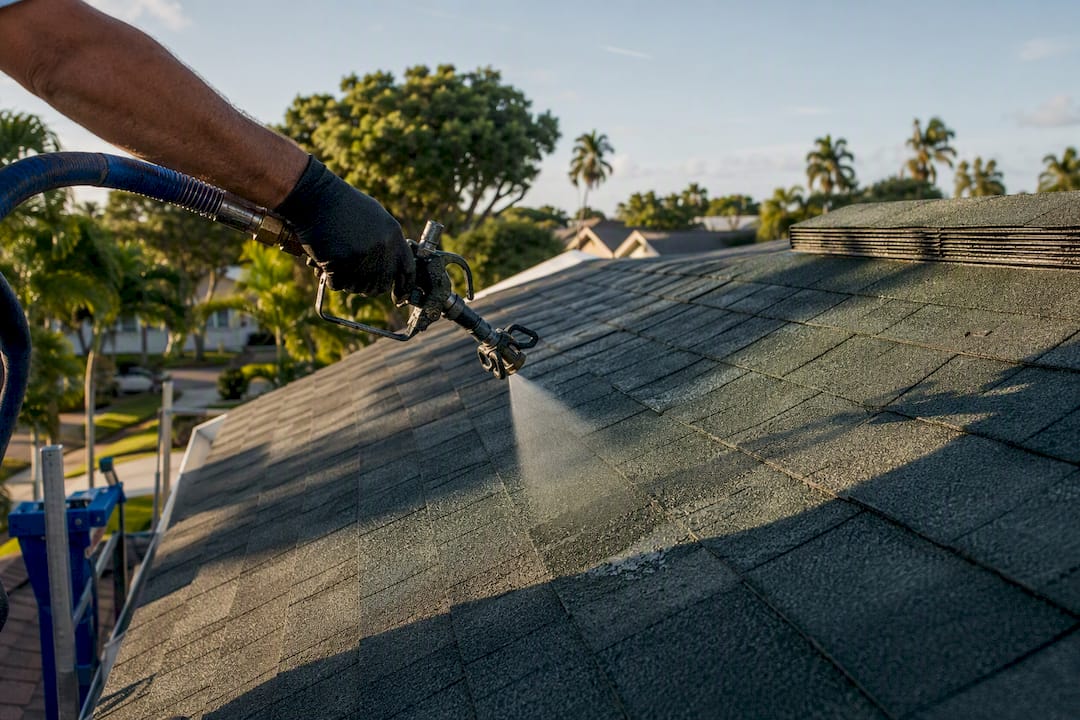
Penetrating rejuvenators work differently than the acrylic or silicone coatings some companies market as "roof restoration." A rejuvenator is an oil or emulsion formulated to soak into the shingle and partially react with the aged asphalt binder, re-plasticizing it from the inside. A coating just sits on top, forming a film that can trap moisture and doesn't restore flexibility at all.
- Penetrating treatments re-oil the binder from within
- Film coatings sit on the surface and can mask problems instead of fixing them
- Lab testing separates real rejuvenation from cosmetic spray jobs
The clearest proof comes from OSU/PRI lab testing, which found that 17-year-old shingles treated with a soy-based rejuvenator passed ASTM pliability testing and cut granule loss by about 46% compared to untreated samples. That's not a marketing claim. That's measured lab data on real aged shingles.
Which Roofs Qualify for Rejuvenation?
Not every roof is a candidate, and knowing where you fall matters before you spend a dime. Here's the rough checklist a qualified inspector runs through:
- Age window: Most eligible roofs fall between 8 and 20 years old, though hot, sun-heavy climates push shingles into brittleness faster than milder regions.
- Granule loss: Some loss in the gutters is normal aging, not a disqualifier, unless the mat underneath is visibly exposed.
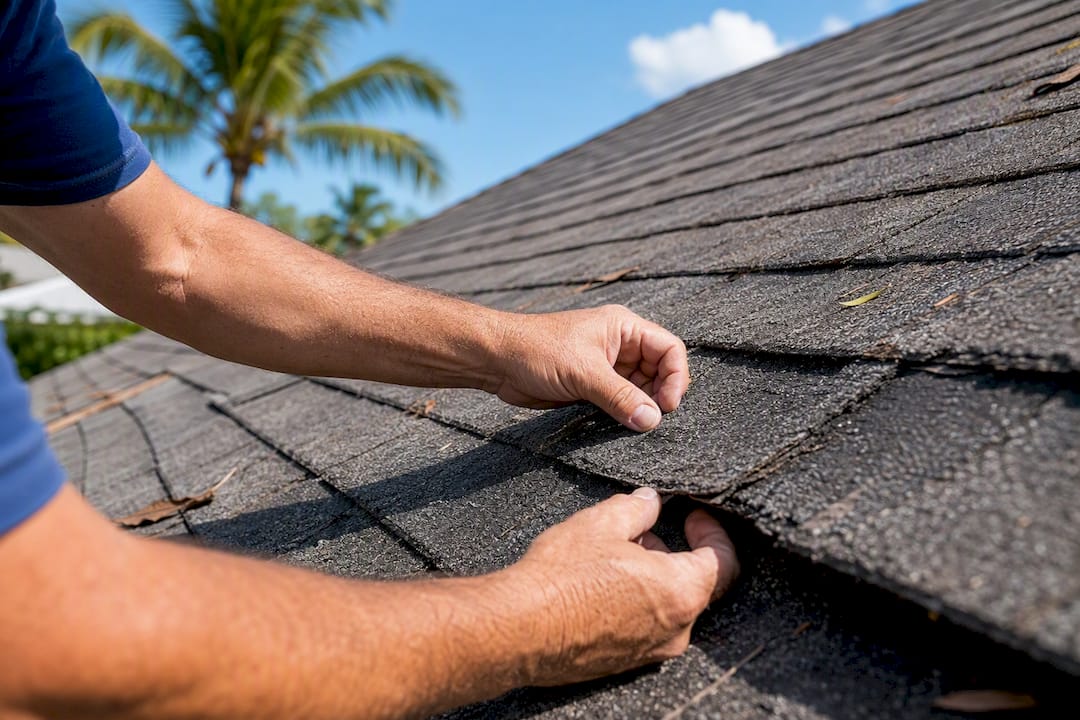
- Brittleness test: A shingle that cracks when gently flexed is a candidate; one that crumbles is not.
- Curling: Minor edge curl is treatable; widespread cupping or clawing usually signals deeper decking or ventilation issues.
- Damage threshold: If more than roughly 20% of the shingles show cracking, curling, or granule loss, most technicians will recommend a section-by-section repair first, or steer you toward replacement.
Pro Tip: Rake a handful of granules from your gutter after a storm. A few flecks are normal. A gutter full of granules, or bald patches on the shingle itself, means you're closer to the replacement line than the rejuvenation line.
Industry guidance from the National Roofing Contractors Insurance Association is blunt about this: rejuvenation extends life for structurally sound roofs, and it should never be sold as a fix for major damage. That's exactly why an inspection has to come before any spray touches your shingles.
What Chemicals Are Used to Rejuvenate Shingles?
The active ingredient matters as much as the marketing around it. Most reputable rejuvenators fall into one of three chemistry categories.
- Soy methyl ester emulsions derive from soybean oil and are among the most studied rejuvenator chemistries on the market.
- Semi-epoxidized soybean oil (SESO) formulations, tested at concentrations between 10 and 30 weight percent, showed restored flexibility and improved granule retention in academic lab testing. Interestingly, the sweet spot sits around 10 to 20 weight percent. Push past that and the shingle can over-soften, trading brittleness for a different problem.
- Engineered formulations built by manufacturers tend to outperform raw, unrefined oils because they're tuned for penetration rate and durability, not just cost.
- Acrylic and silicone coatings are a different animal entirely. They form a surface film rather than penetrating the shingle, and the Asphalt Roofing Manufacturers Association generally advises against field-applied coatings on shingle roofs.
The chemistry heritage here isn't new. Patented resaturant methods using fatty acid methyl esters have described flexibility restoration for years, well before "rejuvenation" became a common homeowner search term.
How Much Does Shingle Rejuvenation Cost?
Professional rejuvenation typically runs $0.85 to $1.65 per square foot, which puts an average single-family roof somewhere between $1,300 and $2,500 per treatment. Compare that to a full tear-off and replacement, which commonly lands between $15,000 and $30,000 depending on size and material.
- Do the math per year, not per treatment: rejuvenation treatments generally add several years of extended life
- Replacement amortized over its typical useful life costs more annually
- Multiple rejuvenation cycles may be applied over time
Cost-per-year is the number that actually tells you whether rejuvenation makes financial sense for your roof, and on a qualifying roof, it almost always beats the replacement math badly.
When Should You Choose Replacement Instead?
Rejuvenation is maintenance, not a miracle. Some roofs need a roofer, not a preservation treatment, and pretending otherwise wastes money.
- Structural red flags: rotted decking, visible sagging, multiple layers of old shingles underneath, or failed flashing around chimneys and vents
- Performance red flags: active leaks, extensive shingle failure, or severe granule loss exposing the asphalt mat
- Strategic upgrades: replacement can address ventilation, underlayment, and solar-readiness features that rejuvenation cannot
If your roof shows any of these, a rejuvenation crew should tell you honestly and point you toward a licensed roofer instead of taking your money for a treatment that won't hold.
What Should a Professional Inspection Include?
A real inspection isn't a five-minute walk-around. It's the step that determines whether rejuvenation will actually work or whether you're about to waste a treatment on a roof that needed replacing anyway.
- Full roof assessment: granule loss mapping, flexibility testing on multiple shingle sections, and a check for hidden leaks or soft decking
- Pre-treatment prep: minor repairs, debris removal, and a safety walk to confirm the roof can support foot traffic during application
- Documentation: before-and-after photos, a written scope of work, and a warranty that transfers if you sell the home
Shingle Roof Renewal's process follows exactly this order: inspect the roof, assess its condition, then recommend whether it qualifies. That sequence matters because it prevents the wrong shingles from ever getting sprayed. A six-year transferable warranty backing the work gives you paperwork to hand a buyer, not just a verbal promise.
Pro Tip: Ask any rejuvenation company to show you their application rate documentation. Inconsistent coverage, not the chemistry itself, is the most common reason treatments underperform.
Why Inspection-First Thinking Beats Spray-and-Hope Roofing
Treat rejuvenation like you'd treat any maintenance investment: check the cost-per-year math before signing anything, and never let a company skip the inspection. Keeping a usable roof out of the landfill also reduces construction waste, which matters more than most homeowners realize. Be wary of anyone who claims a spray fixes active leaks. That's not maintenance. That's a sales pitch wearing a lab coat.
— Daniellison
Get a Free Inspection Before You Commit to Anything
Shingleroofrenewal exists for exactly the roofs this article describes: shingles that are still structurally sound but starting to show their age. We're certified applicators of Fresh Roof Green Soy Technology, a formulation built to penetrate the shingle at a molecular level, restoring flexibility while improving wind and fire resistance.
Every job starts with a free, no-obligation inspection. We check granule loss, flexibility, and repair needs before we recommend anything, and if your roof doesn't qualify, we'll tell you honestly rather than sell you a treatment that won't hold. If it does qualify, the work is backed by a six-year transferable warranty, so the coverage follows the house even if you sell. Homeowners who qualify can save up to 80% compared to a full replacement. Call us before you call the roofer, and schedule your free roof inspection to find out where your roof stands.
Sources
- Soybean Oil-based polymeric coatings for the rejuvenation of old asphalt shingles
- Are Roof Rejuvenation Products a Good Investment for Asphalt Roofs?