
TL;DR:
- Many homeowners overlook the importance of regular roof inspections, leading to costly hidden damage.
- Roof restoration is often more affordable and effective than full replacement for sound structures.
- Warranties typically don't cover weather damage or normal wear, making maintenance essential.
Many South Florida homeowners are quietly losing thousands of dollars every year because of roofing myths they believe are true. From skipping inspections to assuming replacement is the only fix, these misconceptions drive up costs and shorten roof life. South Florida's intense heat, humidity, and storm season make it especially important to separate fact from fiction. This article cuts through the most damaging roofing myths so you can make smarter, more affordable decisions for your aging shingle roof.
Table of Contents
- Myth 1: Roof inspections are unnecessary unless you see damage
- Myth 2: Roof replacement is always better than restoration
- Myth 3: Shingle roof warranties cover all problems
- Myth 4: All roof cleaning methods are safe and effective
- Why most homeowners lose money believing these roofing myths
- Ready to protect and renew your shingle roof?
- Frequently asked questions
Key Takeaways
| Point | Details |
|---|---|
| Regular inspection saves money | Annual roof checkups catch issues early and help avoid expensive repairs. |
| Restoration can rival replacement | Roof renewal options often extend lifespan for a fraction of replacement costs. |
| Know your warranty limits | Most warranties don’t cover storm or maintenance-related damage, so read the fine print. |
| Clean roof the right way | Gentle methods protect your shingle roof—avoid high-pressure washing to preserve granules. |
Myth 1: Roof inspections are unnecessary unless you see damage
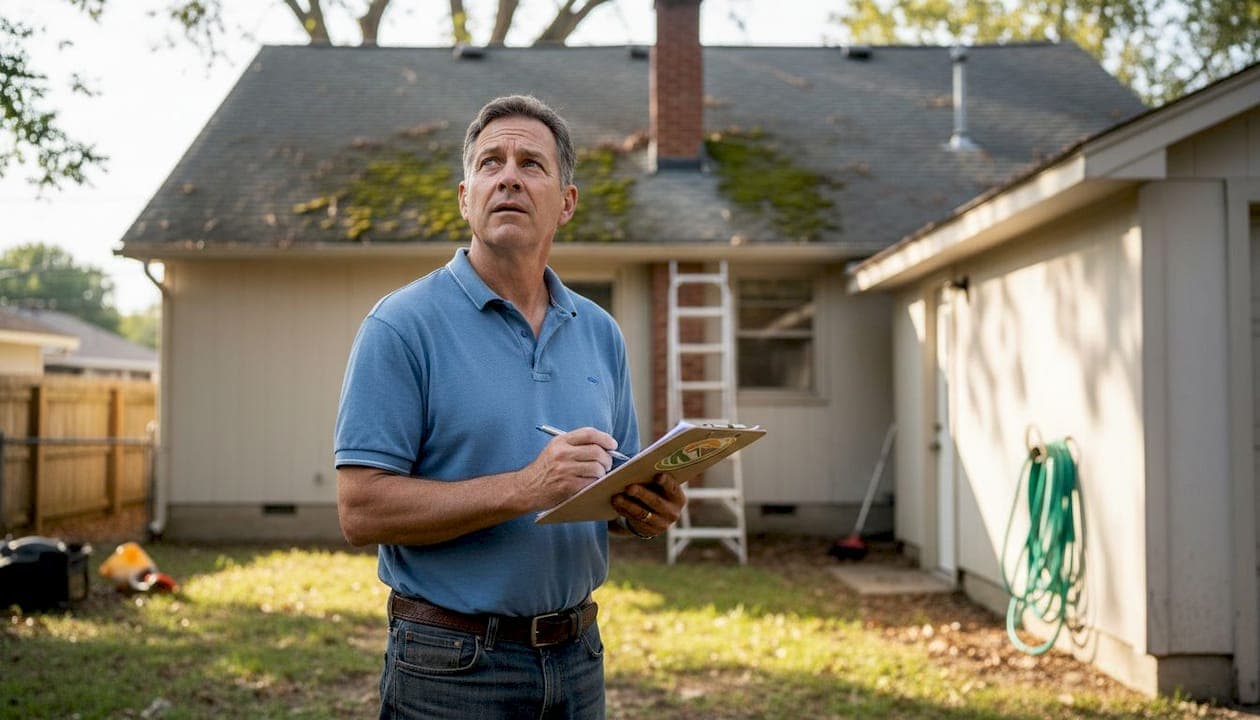
Homeowners often rely on their eyes to spot trouble, but visible damage is rarely the whole story. By the time you notice a stain on your ceiling or a missing shingle from the ground, the real damage has usually been developing for months. Waiting for visible signs is one of the most expensive habits a homeowner can have.
Routine roof inspections catch hidden problems that could lead to leaks and costly repairs before they spiral out of control. A trained inspector looks for things that are completely invisible from the ground: cracked flashing, granule loss in hidden areas, soft spots near vents, and early signs of shingle degradation.
Here is what a proper inspection typically checks:
- Shingle condition: Cracking, curling, blistering, and granule loss
- Flashing integrity: Around chimneys, vents, and skylights
- Gutter performance: Blockages and signs of overflow damage
- Structural alignment: Sagging or uneven roof deck sections
- Attic ventilation: Moisture buildup and heat retention issues
South Florida's climate adds another layer of urgency. Intense UV exposure, tropical storms, and high humidity can degrade shingles faster than in cooler regions. An inspection every 12 months, plus one after any major storm, is a practical standard here.
Insurance companies and warranty providers may also require proof of regular maintenance before honoring a claim. Skipping inspections can mean losing coverage exactly when you need it most. The roof assessment process is far less costly than the repairs you avoid by catching problems early. The NRCA recommends homeowners stay proactive rather than reactive with roof care.
Pro Tip: Schedule your annual roof inspection at the start of hurricane season in June. That way, any vulnerabilities are addressed before the worst storms arrive.
Myth 2: Roof replacement is always better than restoration
If an inspection uncovers problems, is replacement your only option? Many homeowners assume it is. Contractors who primarily sell new roofs may reinforce that assumption. But the truth is, restoration is often the smarter and far more affordable path.
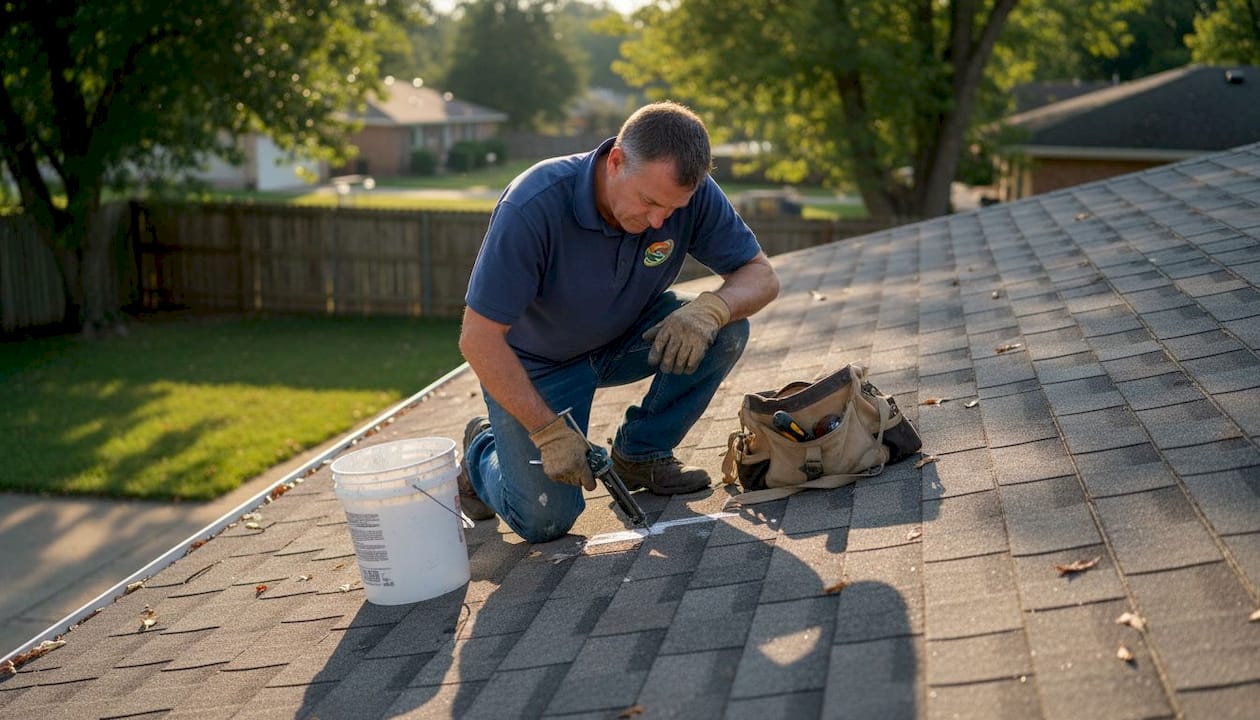
Restoration methods can significantly extend shingle roof lifespan for less cost than replacement. In fact, professional renewal can cost up to 70% less than a full tear-off and replacement. For a roof with sound structural integrity, that is a substantial amount of money to keep in your pocket.
Here is a quick side-by-side comparison:
| Factor | Restoration | Replacement |
|---|---|---|
| Average cost | Much lower | $15,000 or more |
| Time to complete | 1 to 2 days | Several days |
| Disruption to home | Minimal | Significant |
| Lifespan extension | 10 to 15 years | New roof lifespan |
| Best for | Structurally sound roofs | Severely damaged roofs |
Replacement only makes sense in specific situations:
- The roof deck is structurally compromised and cannot support new materials
- More than 40% of shingles are damaged or missing
- The roof has already exceeded its full expected lifespan with no prior care
- Multiple layers already exist and local code does not permit another overlay
South Florida's climate actually favors restoration for many homeowners. If the structure is solid, applying a professional renewal treatment restores flexibility, improves energy efficiency, and delays the need for a major expense. Energy-saving roof choices also benefit from restoration coatings that reflect heat and reduce cooling costs.
The restoration vs replacement question deserves a real professional assessment, not a gut decision based on age alone.
Pro Tip: If a contractor tells you that you need a replacement before completing a detailed inspection, get a second opinion. Assessment should always come before recommendations.
Myth 3: Shingle roof warranties cover all problems
Restoration or replacement can be costly, but aren't warranties supposed to protect you? Many homeowners feel reassured by a warranty, only to discover major gaps at the worst possible moment. Understanding what warranties actually cover is essential before you need to file a claim.
The reality is that most manufacturer warranties cover defects in the shingle product itself. They do not cover normal wear and tear, installation errors, or damage caused by weather. Warranties often do not cover weather damage, improper installation, or lack of maintenance. In South Florida, that last point is critical.
| What most warranties cover | What most warranties exclude |
|---|---|
| Manufacturing defects | Storm and hurricane damage |
| Premature granule loss from defects | Normal aging and wear |
| Shingle splitting from product failure | Improper installation |
| Specific color fade from product defects | Lack of documented maintenance |
Here is what can void your warranty or prevent a successful claim:
- Installing solar panels or other equipment without manufacturer approval
- Pressure washing the roof with high-force equipment
- Allowing moss or algae buildup to go untreated for extended periods
- Missing regular maintenance records when filing a claim
- Using cleaning chemicals not approved for shingle roofs
South Florida's storm risks are a major blind spot. Hurricane-force winds and heavy rain are precisely the scenarios many homeowners expect their warranty to cover. Standard manufacturer warranties typically exclude this entirely. Separate storm or homeowner's insurance coverage is what actually protects you in those events.
Knowing roofing warranty coverage details before you buy or renew your roof helps you avoid nasty surprises. Keep your inspection records, maintenance receipts, and original warranty documents in one organized folder. Those papers are your proof when a claim arises.
Myth 4: All roof cleaning methods are safe and effective
Caring for your shingles is not just about repairs. Cleaning matters too. But not all cleaning methods are equal, and some popular approaches actually damage the very roof they are meant to protect.
The biggest offender is pressure washing. High-pressure washing can damage shingle granules and shorten roof lifespan. Those granules are not just decorative. They protect the asphalt layer beneath from UV degradation, and once they are gone, shingle life drops quickly.
"The safest approach to roof cleaning is always the gentlest one. Protect the granules, and you protect the roof."
Here are the cleaning do's and don'ts every South Florida homeowner should know:
- Do use soft-wash methods with low pressure and appropriate cleaning solutions
- Do apply algae and moss treatments designed for shingle roofs
- Do clear gutters and downspouts at least twice per year to prevent water backup
- Don't use chlorine-based solutions at full strength, as they can discolor and degrade shingles
- Don't let debris accumulate on the roof surface, especially after storms
- Don't attempt steep-slope cleaning without professional equipment and training
Algae and moss are especially common in South Florida due to heat and moisture. Removing them improperly causes granule loss and exposes the shingle base to accelerated aging. Safe roof cleaning requires the right tools and the right chemistry.
DIY cleaning often looks fine from the ground but creates serious long-term damage. A professional using shingle-friendly cleaning tips will protect your investment far better than a weekend with a rented pressure washer.
Pro Tip: After any tropical storm, rinse your roof gently with a garden hose to remove salt and debris. This simple step reduces corrosion and extends shingle life at zero cost.
Why most homeowners lose money believing these roofing myths
Here is the honest truth: debunking myths only helps if you actually change your habits. Most homeowners know they should maintain their roof. They still skip the inspection. They still wait for a leak. They still believe the sales pitch over the professional assessment.
We see it repeatedly. The homeowners who get ahead of problems by following inspection best practices consistently spend less over time and extend their roof's useful life by years. Those who react only to visible symptoms pay emergency rates and make rushed decisions.
The real cost of believing these myths is not just financial. It is the stress of an unexpected leak before a storm, the regret of paying for a full replacement when restoration was available, and the frustration of a denied warranty claim you did not know was at risk. Proactive maintenance, honest professional advice, and the right restoration partner are what make the difference. The myths persist because they feel logical. The truth is, a little consistent care beats a big reactive fix every single time.
Ready to protect and renew your shingle roof?
If you're ready to leave roofing myths behind and make the smartest move for your home, here's how we can help. At Shingle Roof Renewal, we start with a thorough professional assessment to determine exactly what your roof needs, no guessing, no upselling.
Our roof restoration services use Fresh Roof's GreenSoy Technology to restore shingle flexibility at the molecular level, extending roof life by 10 to 15 years at a fraction of replacement cost. We serve Palm Beach and Broward County homeowners, including those in Plantation and surrounding communities. Our work is backed by a 6-year transferable warranty. Contact us today to schedule your assessment and find out if restoration is the right move for your roof.
Frequently asked questions
How often should South Florida homeowners inspect their shingle roof?
Routine roof inspections help prevent costly damage in Florida's climate. Most experts recommend an inspection at least once a year and after any major storm.
Can roof restoration really add years to my shingle roof?
Yes. Restoration adds years of life to aging shingle roofs when the underlying structure is still intact, often extending lifespan by a decade or more.
Does my roof warranty cover hurricane damage?
Warranties usually exclude weather-related damages. Most shingle warranties do not cover storm or hurricane damage, so check your specific policy carefully for exclusions.
Is pressure washing safe for cleaning shingle roofs?
No. Pressure washing can harm shingle roofs by stripping protective granules. Soft-wash or gentle manual methods are the safe choice.
What's the biggest mistake homeowners make with shingle roofs?
Skipping inspections is a key factor in shingle roof failures. Neglecting regular checks and trusting costly myths leads to preventable damage and high repair bills.