
The most overlooked roofing problems are flashing and seal failures, granule loss and bare spots, poor attic ventilation, ponding water, and fastener or membrane failures like blisters and slippage. Each one hides in plain sight. They live in spots homeowners rarely check: behind a chimney, inside a gutter, under attic insulation. They progress slowly enough that a leak often gets blamed on a bad AC line before anyone thinks to look up.
Catching these early matters because subtle roof failures typically show warning signs 6 to 24 months before an active leak appears, including granule buildup in gutters, popped nails, and staining on rafters.
- Check your attic for daylight, damp insulation, or musty smells.
- Walk your gutters and look for a layer of granules like dark sand.
- Photograph anything unusual before it becomes a bigger repair.
Pro Tip: Schedule a free preservation inspection with Shingleroofrenewal before storm season. Catching a defect on camera now beats guessing at its age later.
Key Takeaways
Most roof replacements start as small, overlooked defects that go unnoticed for months because they hide in attics, gutters, and flashing joints rather than in plain sight.
| Point | Details |
|---|---|
| Check five hidden zones | Inspect flashing, granule levels, attic ventilation, drainage, and fasteners each season. |
| Document everything | Photograph and date findings; records help both preservation assessments and insurance claims. |
| Know your red flags | Sagging decking, repeated leaks, and widespread granule loss mean it's time to call a professional. |
| Avoid DIY moisture traps | Skip pressure washing and caulk-over-flashing fixes, which often worsen hidden rot. |
| Consider preservation first | Shingleroofrenewal's inspection-to-renewal process can extend qualifying roofs' life with a 6-year transferable warranty. |
Table of Contents
- Why These Hidden Roofing Issues Cost Homeowners So Much
- The Most Overlooked Roofing Problems and How to Spot Them
- How Should You Inspect and Document Roof Damage Safely?
- When Should You Call a Roofing Professional?
- A Preservation-First Path Before You Call a Roofer
- Frequently Asked Questions
- Sources
Why These Hidden Roofing Issues Cost Homeowners So Much
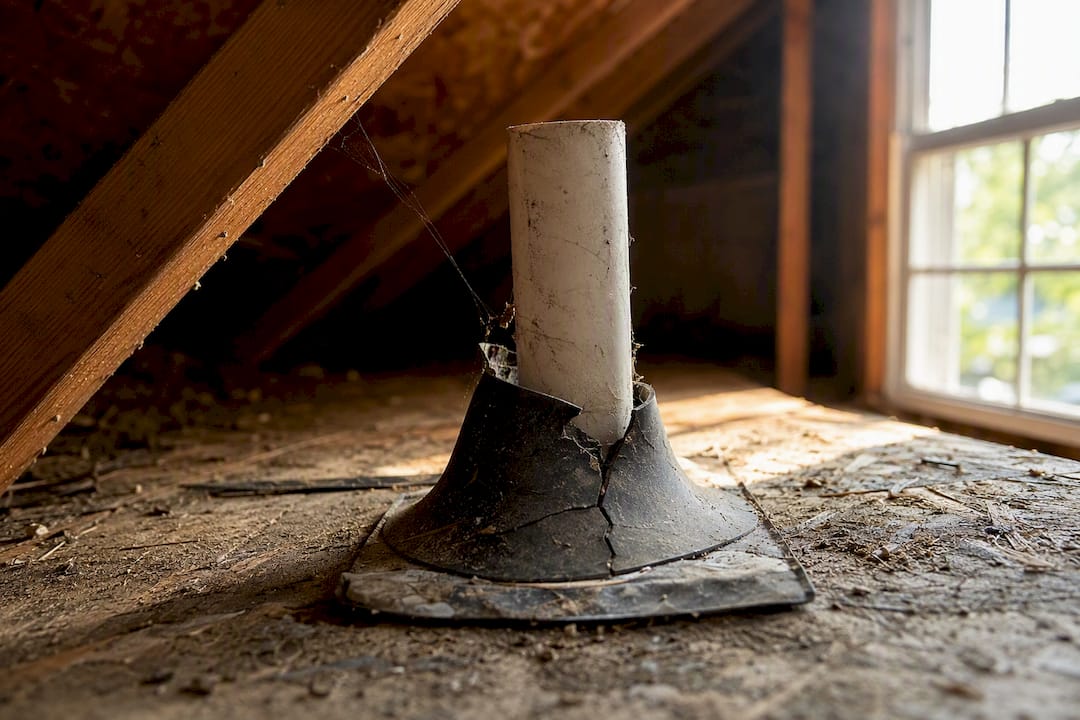
Catching a small defect early is almost always cheaper than fixing what it becomes. A cracked pipe boot costs little to reseal. Left alone through two hurricane seasons, it can soak the decking underneath and turn into a $400 square-foot repair or worse.
Regular roof inspections catch small issues before they become costly repairs, extend the roof's usable life, and create a paper trail that helps with insurance claims after storm damage. That documentation matters more in South Florida than almost anywhere else, since adjusters want proof a roof was maintained, not neglected, before they approve a claim.
Small defects escalate in a predictable order:
- A loose shingle lets water under the underlayment.
- Trapped moisture softens the decking beneath it.
- Soft decking spreads and eventually sags.
- Sagging decking often means structural repair, not a patch.
South Florida's mix of intense UV, sudden downpours, and wind gusts speeds up every stage of that sequence. A defect that might sit dormant for years in a drier climate can turn serious in a single wet season here.
The Most Overlooked Roofing Problems and How to Spot Them
This is the checklist worth running every few months, and definitely after any storm strong enough to rattle your windows. Each item below tells you what to look for, what to photograph, and when it stops being a DIY job.
-
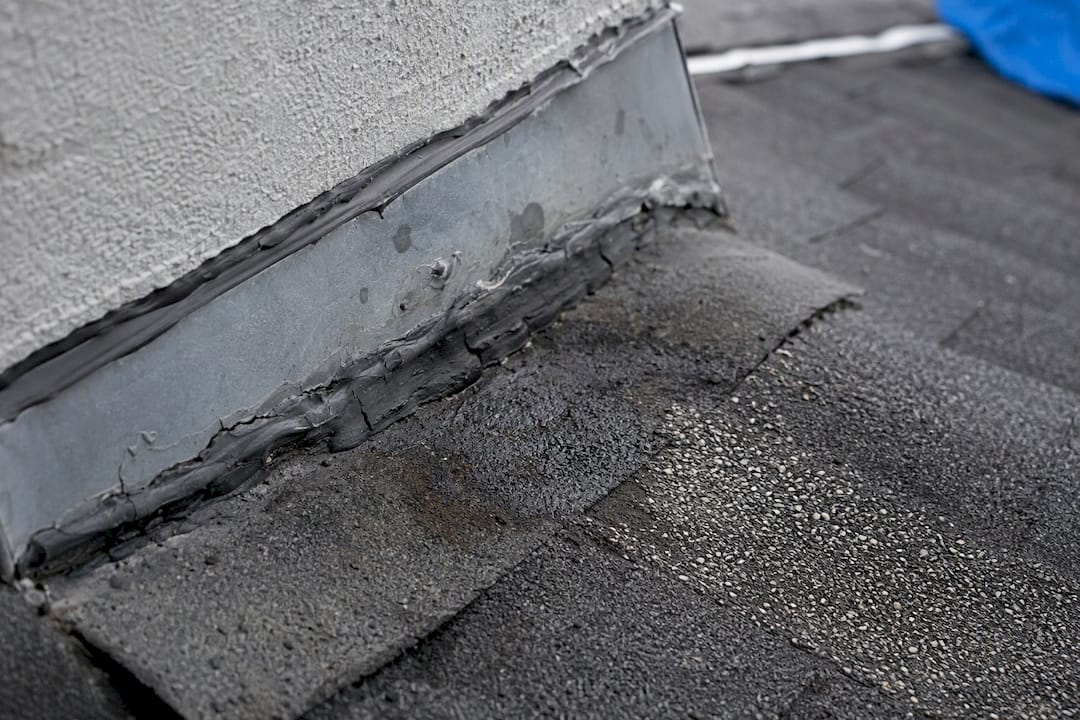
Flashing and seal failures. Check where the roof meets chimneys, vent pipes, and skylights. Cracked or lifted flashing lets water track sideways under shingles. Photograph the joint straight on and from an angle showing the gap. A hairline crack is worth monitoring; visible separation needs a professional look.
-
Granule loss and bare spots. Granules protect shingles from UV. Check your gutters and downspouts for a gritty buildup that looks like coarse sand. Some loss is normal with age, but heavy, consistent granule shedding across a roof plane signals accelerated wear.
-
Shingle curling, cracking, and self-seal failure. Florida heat bakes the asphalt oils out of shingles over time, making them brittle. Curled edges or shingles that no longer lie flat have lost their factory seal and are vulnerable to wind uplift.
-
Ponding water and clogged gutters. Standing water 48 hours after rain points to a drainage problem, not just a heavy storm. Clear gutters and downspouts, then watch where water sits. Persistent ponding on a flat section usually means a structural low spot.
-
Attic ventilation problems and condensation. Poor attic ventilation is one of the most commonly overlooked maintenance issues on asphalt roofs. It cooks shingles from underneath and speeds up granule loss, and consistent airflow can add years to a roof's usable life.
-
Hidden soft decking or sag. Press gently on suspect areas from the attic side. Spongy or sagging decking is one of the most commonly missed warning signs of roof failure, and it means moisture has already compromised the wood.
-
Blisters, ridging, fishmouths, and slippage. A roof maintenance manual cataloging common membrane defects notes these deformities usually trace back to trapped moisture or poor installation, and they concentrate around laps and penetrations.
-
Fastener popping and loose metal. Nail heads pushing up through shingles, or coping and counter-flashing that's come loose, both invite wind and water intrusion. Check attic-side nail points for rust rings, an early sign of moisture cycling.
-
Pitch pans and problem flashings around equipment. Anywhere HVAC lines, satellite mounts, or solar brackets penetrate the roof is a chronic weak point. These spots deserve a closer look than the open field of the roof.
-
Punctures from equipment or storm debris. Foot traffic from cable installers, fallen palm fronds, or hail can puncture a membrane invisibly from the ground. Check attic decking below equipment paths for pinpoint light.
Pro Tip: Rusted nail heads visible from inside the attic are one of the earliest signals of hidden moisture. Most homeowners never look up there until a stain appears on the ceiling, by which point the problem has usually been active for months.
For a printable version of this list, Shingleroofrenewal's roof evaluation checklist walks through the same items room by room.
How Should You Inspect and Document Roof Damage Safely?
Follow a set order: survey from the ground, check the attic, then only get closer to the roof surface if it's safe to do so. Stop and call a professional the moment anything feels unstable underfoot.
- Walk the perimeter with binoculars before ever touching a ladder.
- Check the attic in daylight for stains, damp insulation, or visible light through the decking.
- Photograph close-ups of flashing, wide shots of each roof plane, and gutter interiors.
- Label every photo with the date, location on the roof, and recent weather.
- Never walk shingles that are wet, or that have baked in Florida sun past 90°F.
What to note for each finding:
- Exact location (which slope, near which vent or chimney)
- Approximate size of the damage
- Whether it followed a specific storm
- Photos from both a distance and close up
Twice-yearly professional inspections, in spring and fall plus after major storms, give South Florida homes a realistic cadence given the hurricane season.
Pro Tip: Skip the pressure washer and the tube of caulk. Common DIY fixes like pressure washing and caulking over failed flashing often trap moisture underneath and cause more rot than they prevent.
When Should You Call a Roofing Professional?
Call a professional when you see structural signs like sagging or soft decking, repeated leaks from more than one spot, widespread granule loss, or flashing failure across multiple penetrations. Those aren't maintenance items anymore. They're assessment items.
Red flags that warrant an immediate call:
- Daylight visible through attic rafters or decking
- Decking that feels spongy underfoot or from below
- Leaks that return after a patch
- Granule loss covering large sections, not isolated spots
- Blisters or membrane slippage larger than a dinner plate
Questions worth asking whoever shows up:
- What likely caused this, and is it isolated or spreading?
- Can the existing shingles be preserved, or has flexibility already been lost?
- Is full replacement actually necessary, or is targeted repair enough?
- Do you provide documentation for insurance and warranty purposes?
- What's the realistic timeline and cost range?
Some conditions genuinely call for replacement, such as a roof nearing the end of its expected lifespan with multiple patched sections. But plenty of roofs written off as "done" are actually strong candidates for preservation first.
A prevention-first perspective
Most roofs don't fail suddenly. They fail from neglect that compounds for years before a homeowner notices a stain on the ceiling. The homeowners who avoid $20,000 replacement bills aren't the ones with luckier roofs. They're the ones who checked their attic twice a year and took a few photos. Shingleroofrenewal built its entire preservation model around that gap between "small problem" and "premature replacement," because that gap is where almost all the money gets lost or saved.
A Preservation-First Path Before You Call a Roofer
If you've spotted any of the issues above and aren't sure whether they need a patch or a full teardown, a preservation inspection is the smarter first call, not a roofing contractor pitching a replacement quote. Shingleroofrenewal exists specifically for that gap: the roof that looks tired but isn't actually done.

The process is simple. First, we inspect the roof and attic using the same checklist items covered above. Second, we assess the shingles' condition, including flexibility and granule retention, to determine whether the underlying material can still be restored. Third, if your roof qualifies, we recommend renewal using certified Green Soy Technology rather than a full tear-off. Qualifying renewals come with a 6-year transferable warranty, and homeowners typically save significantly compared to full replacement while keeping usable shingles out of the landfill.
Before you book, have a few things ready: photos of any problem areas, the approximate date of your last roof work, and notes on any known leaks. If your roof is in Delray Beach, check local preservation options here, or in Plantation, see what's available in your area. Either way, the assessment is free, and it costs you nothing to find out if your roof can still be saved.
Frequently Asked Questions
What are the most overlooked roofing problems homeowners miss? Flashing failures, granule loss, poor attic ventilation, ponding water, and fastener popping top the list. All five hide in spots people rarely inspect and progress slowly enough to be mistaken for other issues.
How do I know if my roof leak is actually a ventilation or plumbing issue? Water stains don't always originate at the roof itself; poor attic ventilation, insulation gaps, or nearby plumbing can produce similar staining. Check those sources before assuming the roof needs replacement.
How often should I inspect my roof in South Florida? Twice a year, in spring and fall, plus after any significant storm. That cadence catches seasonal wear and storm damage before either compounds into a bigger repair.
Can a roof with granule loss or curling shingles still be saved? Often, yes. If the decking underneath is dry and sound, preservation treatments can restore flexibility and lock in remaining granules rather than requiring a full tear-off.
What should I photograph during a roof self-inspection? Close-ups of flashing joints, wide shots of each roof plane, gutter interiors showing granule buildup, and attic rafters for staining or daylight. Label each photo with the date and location.
Sources
- Roof Maintenance
- Benefits of Regular Roof Inspections | SERVPRO
- Asphalt Roof Maintenance: Checklist to Extend Life
- How Often Roof Maintenance Should Be Performed - Advantage Construction