
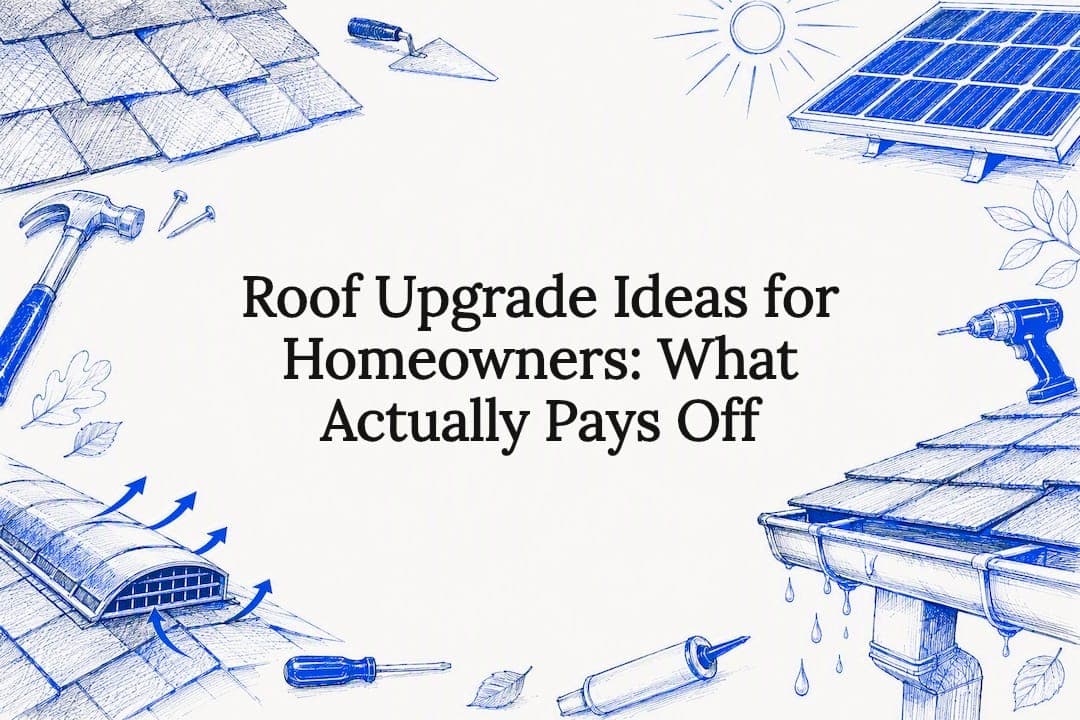
The highest-impact roof upgrades for 2026 fall into four categories: impact-resistant or premium shingles (or metal) for durability, balanced attic ventilation with upgraded insulation for energy savings, skylights or solar paired with a reroof, and better gutters and flashing to protect the investment. Match the upgrade to your goal: shingles and metal for curb appeal and longevity, ventilation and insulation for lower utility bills, solar and skylights for long-term value.
Before spending on any of it, run one gut check: if repair costs stay well under 25 to 30 percent of a full replacement, repair or preserve. If you're closer to that threshold or the roof is near the end of its service life, plan the upgrade.
- Impact-resistant or premium asphalt shingles, or metal roofing
- Attic ventilation and insulation upgrades
- Skylights or solar paired with a reroof
- Gutters, flashing, and drainage improvements
- Preservation treatment for qualifying asphalt shingle roofs
Key Takeaways
The most cost-effective roof upgrade strategy fixes ventilation and insulation first, times solar and skylights with a reroof, and checks preservation eligibility before committing to full replacement.
| Point | Details |
|---|---|
| Apply the 25 to 30 percent rule | Repair or preserve when costs stay well under that share of full replacement; replace when damage is widespread. |
| Fix airflow before aesthetics | Balanced ventilation and insulation deliver bigger energy savings than shingle upgrades alone. |
| Time solar with your reroof | Installing panels alongside a new roof avoids paying to remove and reinstall them later. |
| Maintain to protect warranties | Annual inspections and clear gutters keep both material and preservation warranties valid. |
| Check preservation eligibility first | Shingleroofrenewal inspects and assesses qualifying asphalt roofs for renewal backed by a 6-year transferable warranty. |
Table of Contents
- Roof Upgrade Ideas for Homeowners That Actually Move the Needle
- How Do You Decide Which Roof Upgrade to Do First?
- Protect Your Upgrade With a Simple Maintenance Routine
- When Preservation Beats Full Replacement
- Quieting Your Roof: Noise and Soundproofing Upgrades
- Why Inspecting First Changes the Whole Equation
- Get a Free Inspection Before You Call a Roofer
- Helpful Resources for Roof Upgrade Decisions
- Sources
Roof Upgrade Ideas for Homeowners That Actually Move the Needle
Not every upgrade delivers the same return. Some fix a real durability problem. Others mostly buy you curb appeal. Here's how the major options stack up, starting with the roof surface itself.
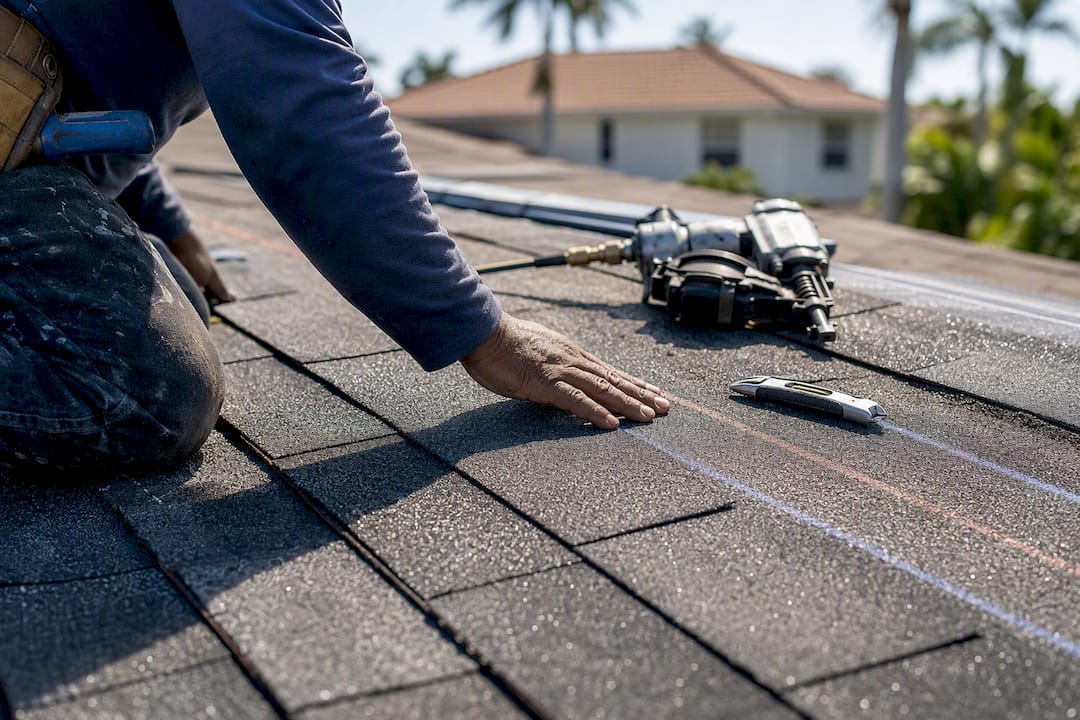
1. Impact-resistant and premium asphalt shingles. Standard three-tab shingles last around 15 to 20 years in tough climates. Impact-resistant and architectural shingles push that toward the higher end of the 15 to 30 year range typical for asphalt, and many carry Class 4 impact ratings that can lower insurance premiums in hail-prone regions. They make sense when your existing roof already needs a full tear-off. If it doesn't, a full shingle swap for durability alone is rarely the most cost-effective move.
2. Metal roofing. Metal spans 40 to 70 years, roughly double to triple what asphalt offers, and reflects far more solar heat off the roof deck. That reflectivity trims attic temperatures in peak summer, which matters if your cooling bills spike every August. The tradeoff is upfront cost, typically well above asphalt, and a very different look. Metal fits homeowners planning to stay put for decades or who want to stop thinking about roofing altogether.
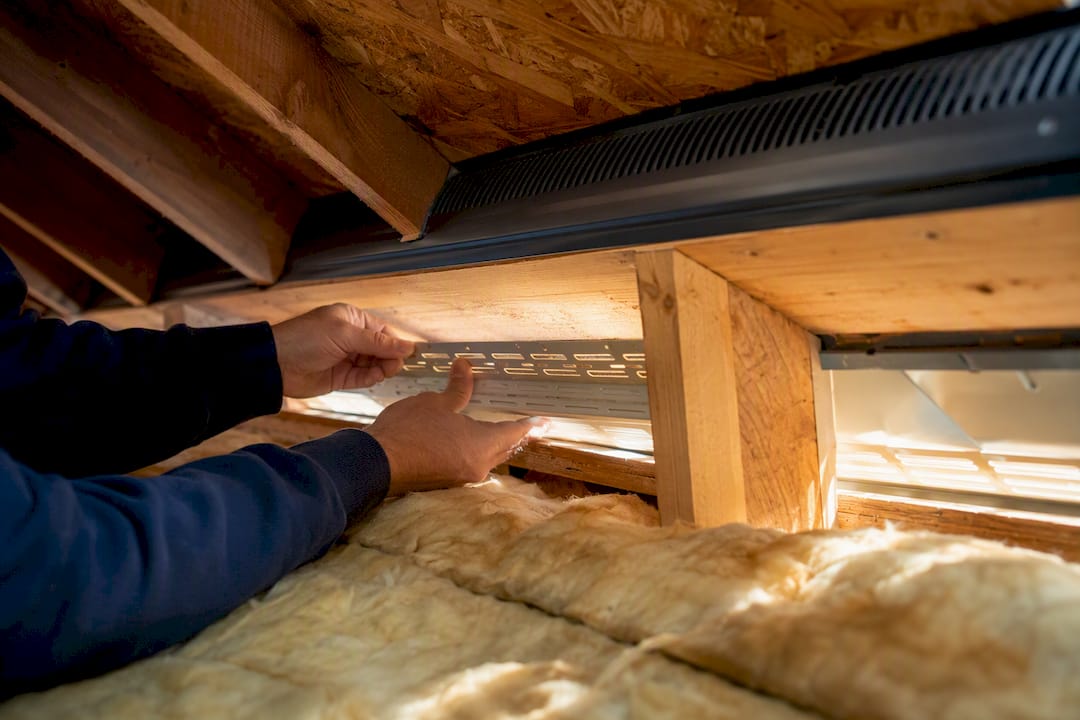
3. Ventilation upgrades. Ridge vents paired with soffit vents create continuous airflow that pulls heat and moisture out of the attic. Unbalanced ventilation is one of the most common reasons shingles fail early, since trapped heat cooks the asphalt from underneath and moisture warps the deck. Balanced intake and exhaust meaningfully extends how long any shingle type lasts, which makes it one of the cheapest ways to protect a bigger investment. Ask any ventilation contractor how your current intake-to-exhaust ratio compares to code before assuming your attic is fine.
4. Insulation during a reroof. A tear-off is the one time you can add rigid exterior insulation above the deck without ripping into finished ceilings. Done at climate-appropriate R-value ratios, it improves thermal performance and helps manage condensation risk in the assembly. Skip this window and retrofitting later usually means removing the roof cladding all over again.
5. Skylights and solar. Both work best timed with a reroof. Installing solar on a roof you're about to replace means paying to remove and reinstall panels twice. The federal solar tax credit still meaningfully offsets installation cost, and pairing panels with new roofing avoids that redundant labor entirely.
6. Gutters, flashing, and drainage. New shingles or a solar array mean nothing if water finds its way behind flawed flashing. Replace flashing around chimneys, valleys, and vent penetrations whenever you touch the roof surface, and upgrade gutters to handle real rainfall volume for your region.
7. Aesthetic upgrades. Architectural shingles and richer color options change a home's entire street presence for a modest premium over basic three-tab shingles.
8. Preservation and targeted repair. When shingles have lost flexibility but haven't failed structurally, a preservation treatment can be more cost-effective than any of the above.
Pro Tip: Get your attic ventilation checked before you spend a dollar on shingle upgrades. A gorgeous new roof over a poorly vented attic will still fail early.
How Do You Decide Which Roof Upgrade to Do First?
Start with a professional inspection, not a shingle catalog. Ask the inspector three things: how many years of service life remain, whether ventilation is balanced, and whether damage is isolated or spread across the roof.
- Apply the cost rule: repairs make sense when they run well under 25 to 30 percent of full replacement cost; beyond that, plan for replacement or renewal instead.
- Fix ventilation and insulation first if energy bills are your main driver. Surface upgrades alone deliver smaller gains than fixing attic thermal performance.
- Address material and curb appeal upgrades second, once the roof's underlying health is confirmed.
- Confirm permit requirements early. Most municipalities require permits for reroofs or any structural change to decking.
- Get at least three quotes and compare warranty terms, not just price. A cheap quote with a thin warranty often costs more over ten years.
Protect Your Upgrade With a Simple Maintenance Routine
New shingles, fresh flashing, or a preservation treatment only pay off if you maintain them.
- Schedule an inspection once a year and again after any major storm.
- Clear gutters and check flashing seals twice a year to prevent water intrusion at the weakest points.
- Keep maintenance records. Many warranties, including preservation warranties, require documented upkeep to stay valid.
- Check attic ventilation annually. Blocked soffit vents or damaged ridge vents quietly undo the energy gains you paid for.
When Preservation Beats Full Replacement
Not every aging roof needs a $15,000 to $30,000 tear-off. The process is simple: inspect the roof, assess its condition, and determine eligibility for renewal. Qualifying asphalt roofs can gain 10 to 15 years of extended service life through treatments like Green Soy Technology, which restores shingle flexibility and locks in granules, backed by a 6-year transferable warranty. Roofs with structural deck damage, widespread leaks, or shingles already curling and cracking beyond repair still need full replacement.
Pro Tip: If your shingles are dry and brittle but not yet cracked or bare, you're likely still in the preservation window. Wait too long and replacement becomes the only option.
Quieting Your Roof: Noise and Soundproofing Upgrades
Rain hammering on the roof, hail pinging off metal panels, and street noise bleeding through a thin attic are common complaints, especially for homes near busy roads or in regions with frequent storms. The fix usually isn't the roofing material alone. It's what sits underneath it.
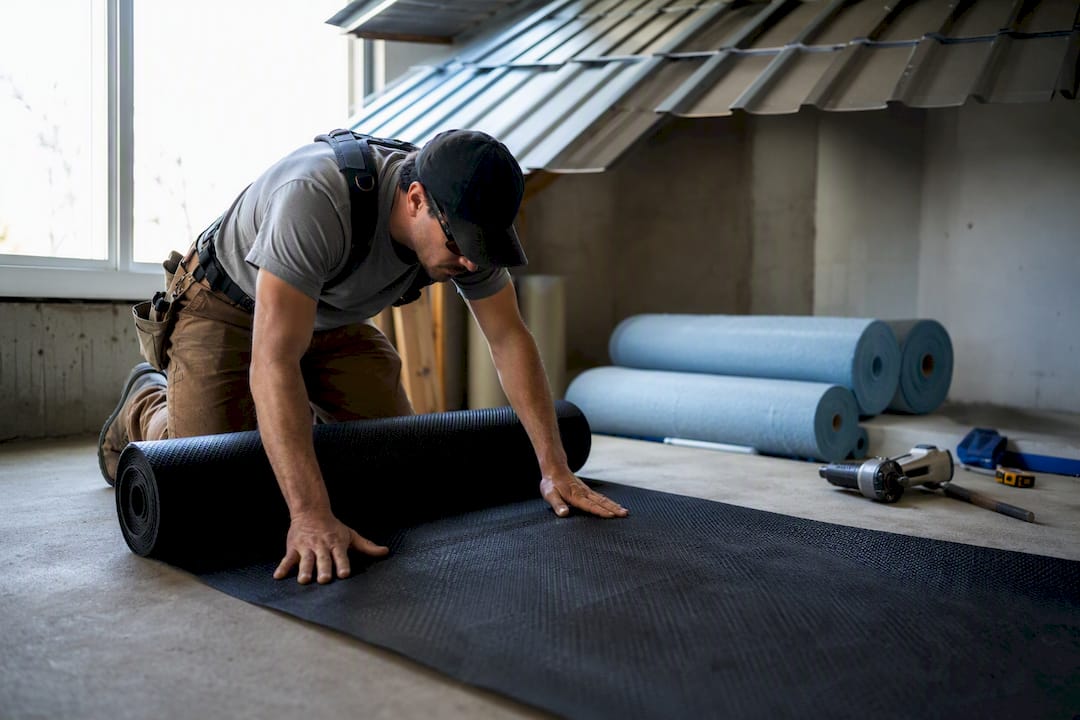
Adding a dense underlayment, such as a synthetic felt with higher mass, dampens impact noise more than standard felt paper. For metal roofs, which tend to transmit rain and hail noise more than asphalt, a solid decking layer plus closed-cell foam insulation between the panels and deck cuts sound transmission noticeably. Asphalt shingles are naturally quieter than metal because the multiple layers of the shingle mat absorb vibration.
Attic insulation does double duty here. The same insulation upgrade that improves energy efficiency also blocks airborne sound from reaching living spaces below, particularly in homes with vaulted ceilings or converted attic rooms where the roof deck sits closer to occupied space.
If noise is your main frustration and a full reroof isn't in the budget yet, dense-pack insulation blown into the attic floor is a lower-cost option that addresses both comfort and sound. Homeowners installing metal roofing specifically for durability should budget for the extra underlayment work upfront. It's far cheaper to add during installation than to retrofit later.
Why Inspecting First Changes the Whole Equation
Most homeowners jump straight to replacement quotes because nobody told them preservation might work. Every unnecessary tear-off adds shingles to a landfill and thousands to a homeowner's bill. An inspection costs you nothing and tells you which path actually fits your roof.
Get a Free Inspection Before You Call a Roofer
Shingleroofrenewal exists for exactly the moment you're in right now: staring at an aging roof, dreading a $15,000 to $30,000 replacement quote, and wondering if there's another way. There often is. Our process runs three steps: inspect the roof, assess its real condition, and tell you honestly whether it qualifies for renewal instead of replacement.

Qualifying homeowners in Palm Beach and Broward counties can save significantly compared to full replacement, all backed by a 6-year transferable warranty. It's also the more environmentally responsible choice, since preservation avoids sending a serviceable roof to the landfill. If your shingles are dry, brittle, or losing granules but haven't failed structurally, you may be a stronger candidate than you think. Schedule your free roof inspection and find out before you spend a dollar on replacement.
Helpful Resources for Roof Upgrade Decisions
Sources
- HUD user: roof repair guidance
- PNNL/BASC guide: re-roofing and adding insulation over sloped roofs
- Compare Roofing Experts: roof lifespan by material