
TL;DR:
- Not all aging asphalt shingle roofs require full replacement; renewal can significantly extend their life.
- South Florida's harsh climate shortens shingle lifespan, making timely inspections crucial.
- Proper assessment and renewal options help homeowners save thousands compared to full roof replacement.
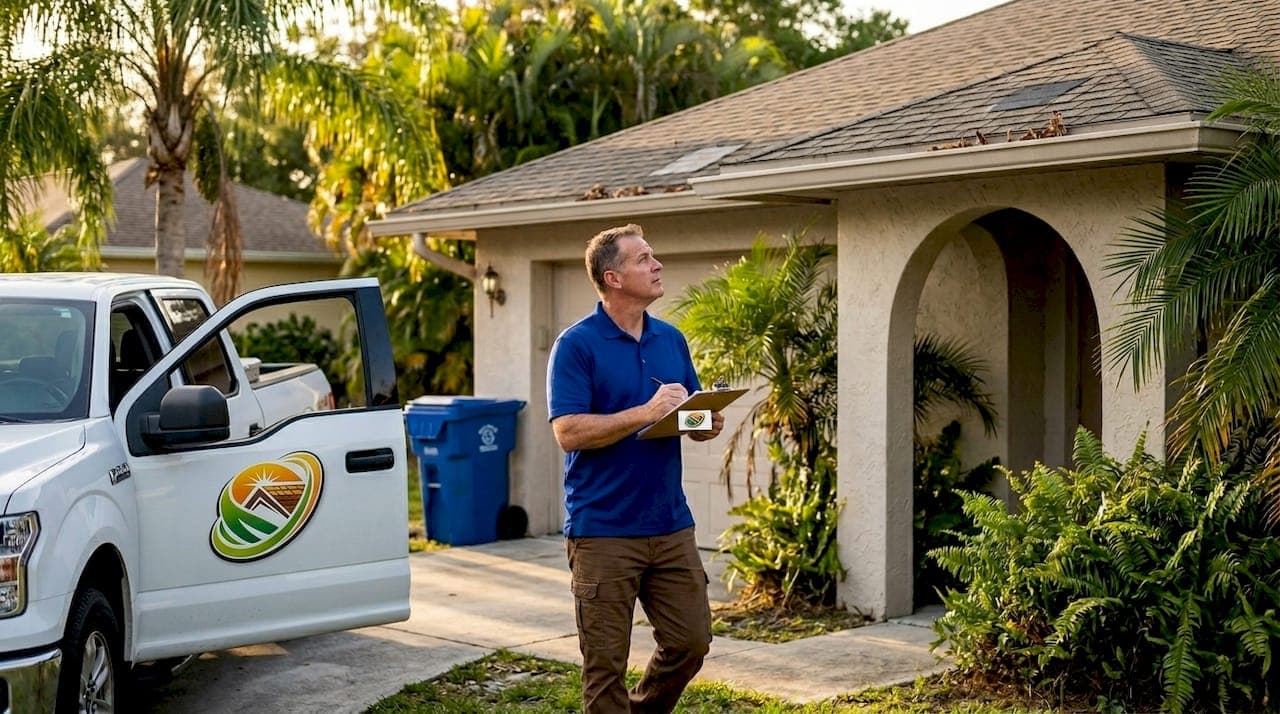
Most homeowners in Broward and Palm Beach counties assume that once their shingle roof starts showing its age, replacement is the only option. That assumption costs thousands of dollars every year. The truth is, not all asphalt shingle roofs are the same, and not all aging roofs need to be torn off and rebuilt from scratch. The type of shingles on your home, combined with the specific demands of South Florida's climate, determines how long your roof lasts and what your best options are when things start to deteriorate. This guide breaks all of that down so you can make a smarter, more affordable decision for your home.
Table of Contents
- Understanding shingle roof types: Basics and benefits
- South Florida climate: What it means for your shingle roof
- Renewal vs replacement: Cost-effective strategies for aging shingles
- Inspection and upkeep: Keeping your shingle roof healthy
- Why South Florida homeowners often miss shingle renewal opportunities
- Restore your shingle roof and save thousands with local experts
- Frequently asked questions
Key Takeaways
| Point | Details |
|---|---|
| Choose the right shingle | Selecting the optimal shingle type boosts roof longevity and lowers long-term costs. |
| Renewal saves money | Roof renewal often costs thousands less than full replacement when done early. |
| Climate matters | Local weather in Broward and Palm Beach dictates shingle durability and maintenance needs. |
| Regular inspections | Routine roof checks catch problems early and can extend the life of your roof. |
| Local experts help | Certified South Florida roof renewal pros provide tailored solutions and maximize savings. |
Understanding shingle roof types: Basics and benefits
Before you can make the right call on renewal or replacement, you need to know what's sitting on top of your house. Asphalt shingle roof types each suit different climates and budgets, and South Florida is no exception.
Here's a quick look at the three main types you'll encounter:
- Three-tab shingles. These are the most basic and least expensive option. They're flat, lightweight, and thin. They have a shorter lifespan, typically 15 to 20 years nationally, and they perform poorly under intense UV exposure and high winds. You'll find them on older homes throughout Broward County.
- Architectural shingles (also called dimensional shingles). These are thicker, heavier, and more durable than three-tab shingles. They're designed to mimic the look of wood shake or slate and generally carry a 25 to 30-year manufacturer warranty. In South Florida's heat and humidity, they perform significantly better than three-tab options.
- Impact-resistant shingles. Built specifically for severe weather markets, these shingles carry a Class 4 impact rating. They're engineered to withstand hail, high winds, and flying debris. In South Florida, where hurricane season runs June through November, impact-resistant shingles offer meaningful protection and may even lower your homeowner's insurance premium.
Knowing your shingle type helps you understand the shingle roof strengths and risks specific to your home before making any decisions.
Here's a quick side-by-side comparison to help you evaluate your options:
| Shingle Type | Avg. Lifespan (South FL) | Wind Resistance | Cost Range | Best For |
|---|---|---|---|---|
| Three-tab | 10 to 15 years | Low to moderate | $ | Budget-conscious installs |
| Architectural | 18 to 25 years | Moderate to high | $$ | Most South FL homes |
| Impact-resistant | 20 to 30 years | Very high | $$$ | Hurricane-prone areas |
One important point: even the best shingle type loses performance faster in South Florida than the manufacturer's warranty suggests. That's where understanding local climate comes in.
South Florida climate: What it means for your shingle roof
With a grasp of shingle options, consider how South Florida's climate shapes their performance and maintenance needs. This is where things get real for homeowners in Broward and Palm Beach counties.
Roof materials face intense sunlight, heavy rain, and hurricanes in South Florida year-round. That combination hits shingles harder than almost any other climate in the country. Here's what that actually means for your roof:
- UV exposure. South Florida receives some of the highest solar radiation levels in the United States. UV rays break down the oils and binders inside asphalt shingles over time. Once those oils dry out, shingles become brittle, crack, and curl at the edges.
- Humidity and heat cycling. Daytime temperatures regularly hit the upper 80s and 90s, followed by cooling rain. This constant thermal expansion and contraction stresses the shingles at the attachment points, loosening granules and weakening the bond between layers.
- Storm and hurricane season. Wind-driven rain and flying debris physically damage shingles. Even storms that don't make the news can cause granule loss or lift shingle edges just enough to allow moisture underneath.
The impacts of Florida weather on asphalt shingles are well documented. Here's how local lifespans compare to national averages:
| Shingle Type | National Avg. Lifespan | South FL Avg. Lifespan | Reduction |
|---|---|---|---|
| Three-tab | 20 years | 10 to 15 years | Up to 50% shorter |
| Architectural | 30 years | 18 to 25 years | Up to 40% shorter |
| Impact-resistant | 30+ years | 20 to 28 years | Up to 33% shorter |
Key stat: South Florida homeowners typically see shingle roofs age 5 to 10 years faster than the national average, which means more frequent inspections and earlier intervention are not optional. They're essential.
Here are the warning signs that South Florida weather has started taking a toll on your roof:
- Shingles with bare patches where granules have worn away
- Curling or cupping at the edges or corners of shingles
- Cracked or brittle shingles that break when touched
- Dark streaks or discoloration from algae and moisture
- Sagging or uneven spots along the roofline
If you spot any of these, it's time to look at your roof damage assessment workflow options before the problem grows. And it will grow, especially during hurricane season. The sooner you start a proper roof assessment process, the more options you'll have.
Renewal vs replacement: Cost-effective strategies for aging shingles
Understanding how weather shortens shingle lifespan, let's compare strategies to restore versus replace aging roofs efficiently.
This is where many homeowners get it wrong. They see a few cracked shingles or some granule loss and immediately assume the whole roof needs to come off. In reality, a full roof replacement in South Florida typically runs between $15,000 and $30,000 depending on the size and pitch of the home. That's a significant investment, and it's often not necessary.
Roof renewal can save homeowners thousands compared to a full replacement. Here's a clear comparison of what each path looks like:
| Factor | Renewal | Replacement |
|---|---|---|
| Average cost | $1,500 to $4,000 | $15,000 to $30,000 |
| Time to complete | 1 day | 2 to 5 days |
| Disruption to home | Minimal | Significant |
| Life extension | 10 to 15 years | 20 to 30 years |
| Warranty | 6-year transferable | Varies |
| Best candidates | Structurally sound roofs | Severely damaged roofs |
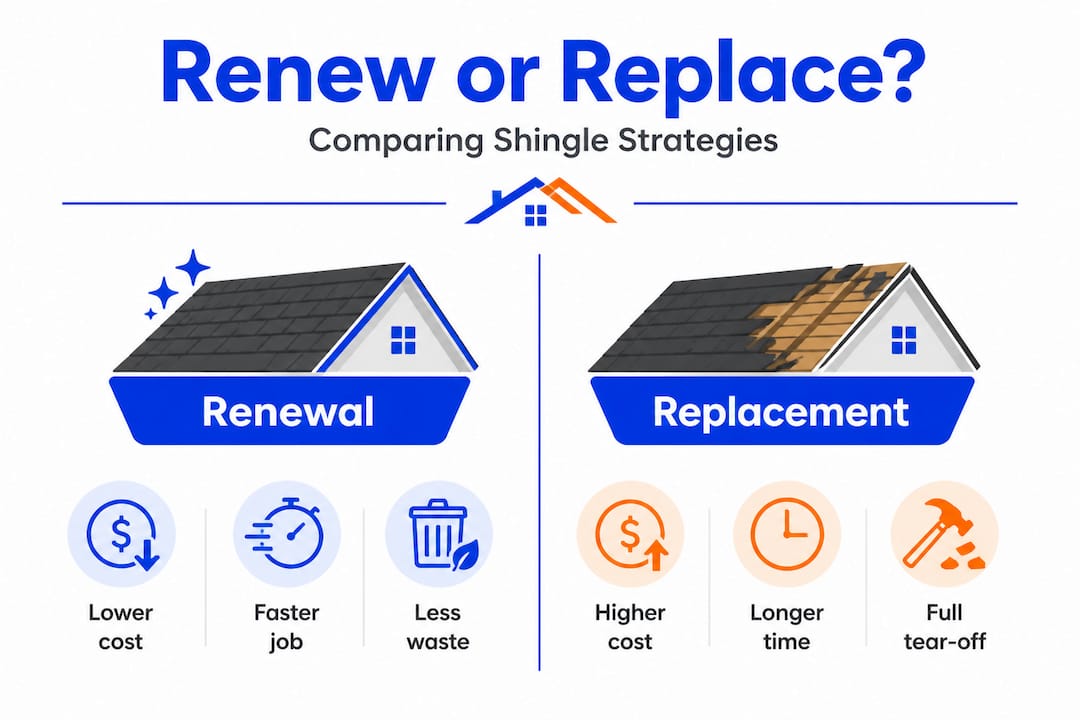
Smart renewal methods extend the life of South Florida shingles and delay costly replacement when applied at the right time. The key phrase there is "at the right time." Here's how both processes typically work:
Roof renewal process:
- A certified specialist inspects your roof and assesses shingle condition.
- If the structure is sound and shingles are not too far gone, renewal is recommended.
- A treatment like GreenSoy Technology is applied, which penetrates the shingle at the molecular level and restores flexibility and waterproofing ability.
- The roof is documented, and a transferable warranty is issued.
- You save up to 80% compared to replacement costs.
Roof replacement process:
- Old shingles and underlayment are torn off, which adds labor and disposal costs.
- Any damaged decking is repaired or replaced.
- New underlayment, shingles, and flashing are installed.
- Final inspection is completed.
- You pay full replacement cost and deal with several days of disruption.
Pro Tip: Renewal works best when initiated before major deterioration sets in. A roof with significant structural damage, widespread deck rot, or shingles that have lost most of their granules may have passed the point where renewal is viable. The window for renewal is real, and it closes faster in South Florida's climate than anywhere else.
The cost difference is dramatic, but the decision hinges entirely on the condition of your existing roof. That's why a proper inspection is always the first step, not the last.
Inspection and upkeep: Keeping your shingle roof healthy
Once you know your renewal options, regular roof checkups help prevent costly issues and prolong roof life significantly. Think of inspection as the most affordable thing you can do for your roof.
"Routine assessments can catch minor damage before it becomes a major problem."
For South Florida homeowners, that's especially true because small issues escalate quickly in heat and humidity. Here's a step-by-step process for performing a basic visual inspection:
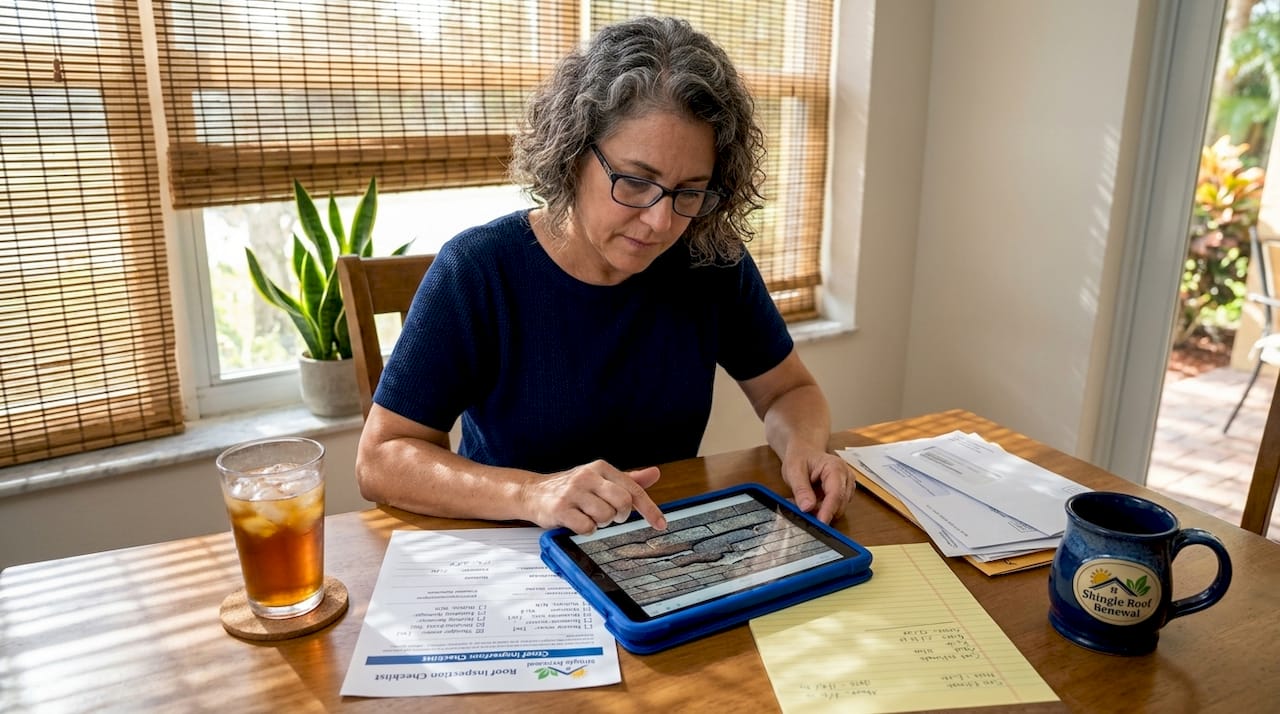
- Start from the ground. Use binoculars to scan the roofline from multiple angles. Look for missing, curling, or discolored shingles. Check for sagging ridgelines.
- Check your gutters. After rain or wind, look inside your gutters for granule buildup. A significant amount of granules is a red flag that your shingles are deteriorating.
- Inspect your attic. Go inside and look up. Signs of daylight coming through, water stains on rafters, or damp insulation all point to potential shingle failure.
- Check flashing points. Around chimneys, skylights, and vents, flashing can pull away or corrode. These are common entry points for water.
- Look for algae and moss. Dark streaks or green growth indicate moisture is sitting on your shingles longer than it should. Left untreated, this accelerates breakdown.
- Document everything. Take clear photos of any areas that concern you. Date them. This becomes invaluable for insurance claims or when requesting a roof damage workflow review from a professional.
In Broward and Palm Beach counties, we recommend inspecting your roof at least twice a year. The best times are just before hurricane season starts in June and immediately after it ends in November. If a named storm passes through, add an unscheduled inspection within a few days of the weather clearing.
Pro Tip: Photographic documentation of your roof condition before and after each storm season is one of the most underused tools in a homeowner's toolbox. It supports insurance claims, helps track deterioration over time, and gives renewal specialists a baseline when assessing your roof assessment process eligibility.
The goal is simple: catch problems while they're small. A cracked shingle addressed today costs almost nothing. That same crack, left through a South Florida summer, can become a leak, then a rotted deck board, then a full replacement. The math strongly favors proactive inspection.
Why South Florida homeowners often miss shingle renewal opportunities
Having explored practical strategies, let's consider why so many residents miss the cost-saving benefits of roof renewal. This one genuinely surprises us.
Most homeowners we talk to had no idea roof renewal was even an option before reaching out. They'd been told by neighbors or seen ads from roofing contractors suggesting the only path forward was a full tear-off. That's not dishonest advice in every case, but it's also not always accurate. And when a full replacement costs $20,000 or more, getting a second opinion matters.
Here's what we see most often: a homeowner notices their shingles look rough after a hard storm season. They call a roofing contractor. The contractor takes one look and quotes a full replacement. The homeowner, understandably worried about leaks and water damage, writes the check. What they didn't know is that their roof may have qualified for renewal at a fraction of the cost.
The second pattern we see is waiting too long. South Florida's weather creates urgency. When you see a leak or storm damage, the emotional pressure to "fix it now" can push people into fast decisions. But fast decisions in roofing almost always favor replacement, because that's what most companies offer. Renewal requires a specialist, a proper assessment, and a roof that still has enough structural integrity to be worth treating.
There's also a misconception that roof renewal is just cosmetic, a surface coating that looks good for a season then washes away. That's not what GreenSoy Technology does. It penetrates the shingle at the molecular level, restoring the oils and flexibility that South Florida's sun has burned away. It's not paint. It's restoration.
The homeowners who benefit most are the ones who understand the renewal strengths and risks clearly and act before their roof crosses the line from renewable to replaceable. That window exists. It just doesn't stay open forever in this climate.
Restore your shingle roof and save thousands with local experts
If this article has done one thing, we hope it's shifted your thinking from "I need a new roof" to "I need to know what condition my roof is actually in." That's the right starting point.
At Shingle Roof Renewal, we specialize in helping Broward and Palm Beach County homeowners find out exactly where their roof stands. Our certified team uses GreenSoy Technology to restore asphalt shingles at the molecular level, extending roof life by 10 to 15 years at up to 80% less than the cost of a full replacement. We offer a 6-year transferable warranty on every renewal we complete. Whether you're in Plantation, Boca Raton, or anywhere in between, our roof renewal services start with a free inspection. No pressure, no obligation. Just an honest assessment of whether your roof qualifies.
Schedule your free inspection today and find out if your roof can be saved.
Frequently asked questions
What type of shingle roof works best in South Florida?
Architectural asphalt shingles and impact-resistant options are generally best due to their durability in extreme weather. Asphalt shingle types are specifically suited to different climates and budgets, with impact-resistant models offering the strongest protection in hurricane-prone Broward and Palm Beach counties.
Can I renew my shingle roof or must I replace it?
Renewal is often possible if the roof structure is sound, and it can extend life while saving significant money compared to full replacement. Smart renewal methods are designed specifically to delay costly replacement for South Florida homeowners.
How often should I inspect my shingle roof in Broward or Palm Beach?
Inspect at least twice a year, ideally before and after hurricane season, and add an extra check after any named storm. Routine assessments catch minor damage before it grows into a costly repair.
Does roof renewal really save thousands versus replacement?
Yes, renewal can save thousands if done before major deterioration sets in. Roof renewal saves homeowners a substantial amount compared to full replacement, especially when addressed early in the deterioration cycle.