
TL;DR:
- Extended roof warranties cover materials, workmanship, labor, tear-off, and disposal, offering longer, non-prorated protection.
- In South Florida's harsh climate, these warranties provide crucial coverage against installation errors and storm damage.
- Roof restoration services can extend a roof's life affordably, complementing warranties by addressing existing damage.
If you've ever glanced at your roof warranty paperwork and assumed it covers everything, you're not alone. Most homeowners in Broward and Palm Beach County think their warranty is their safety net, until a repair bill shows up and the coverage falls short. An extended roof warranty is not just a longer version of a standard warranty. It's a fundamentally different level of protection that can cover materials, workmanship, labor, and even tear-off costs. For homeowners dealing with aging or damaged shingle roofs in South Florida's brutal climate, understanding this distinction can mean the difference between thousands of dollars saved or thousands lost.
Table of Contents
- Extended roof warranty meaning: The basics explained
- How extended roof warranties protect your investment
- What's actually covered: Components and exclusions
- Extended warranty vs roof rejuvenation: Which is right for you?
- Why most South Florida homeowners misunderstand roof warranties
- Explore cost-effective roof restoration solutions in South Florida
- Frequently asked questions
Key Takeaways
| Point | Details |
|---|---|
| Definition clarified | An extended roof warranty covers materials, workmanship, and often labor for a longer period than a standard warranty. |
| Full coverage value | Non-prorated warranties minimize out-of-pocket costs for roof repairs and maintenance. |
| Read the fine print | Check for inclusions and exclusions like labor, tear-off, and disposal before choosing your warranty. |
| Choose smart restoration | Pairing the right warranty with roof rejuvenation can extend your roof's life and save thousands. |
Extended roof warranty meaning: The basics explained
Let's start with the basics, because the term "extended roof warranty" gets used loosely by contractors, manufacturers, and homeowners alike.
A standard roof warranty typically covers only the materials themselves. If your shingles crack or fail due to a manufacturing defect, the manufacturer may replace the shingles. That's it. The labor to install those replacement shingles, the cost to tear off the damaged ones, and the disposal fees? Those are usually on you.
An extended roof warranty goes further. Much further. Enhanced warranties combine material and workmanship coverage, often non-prorated for longer periods such as 10 to 15 years of full coverage, and may include labor, tear-off, and disposal. Well-known examples include the GAF Golden Pledge (offering 50-year non-prorated material coverage plus 25-year workmanship), Owens Corning Platinum Protection, and CertainTeed SureStart PLUS.
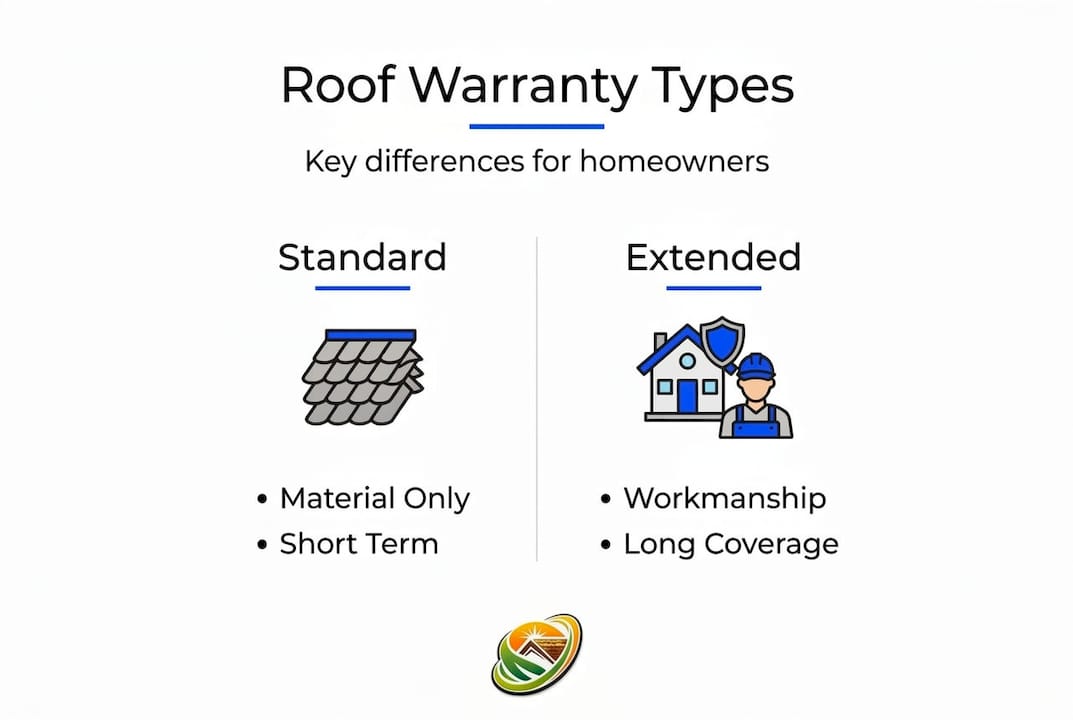
Here's a quick comparison to make this concrete:
| Coverage type | Standard warranty | Extended warranty |
|---|---|---|
| Material defects | Yes | Yes |
| Workmanship errors | Rarely | Yes |
| Labor costs | No | Often included |
| Tear-off and disposal | No | Often included |
| Non-prorated period | Short or none | 10 to 25+ years |
| Transferable to new owner | Rarely | Sometimes |
Understanding which category your warranty falls into matters enormously before a storm rolls through or your shingles start failing after years of South Florida sun exposure.
The key components covered under a strong extended warranty include:
- Materials: Shingles, underlayment, and related components if they fail due to defects
- Workmanship: Mistakes made during installation that lead to future problems
- Labor: The cost of workers returning to fix a covered issue
- Tear-off: Removal of damaged roofing materials before repairs begin
- Disposal: Hauling away old or failed materials from your property
One important concept here is the word "non-prorated." A prorated warranty means your coverage decreases over time. So if you have a 30-year prorated warranty and something goes wrong in year 20, the manufacturer might only cover 33% of costs. A non-prorated warranty pays the same amount whether the failure happens in year one or year fifteen. That's a massive financial difference.
If you're not sure what condition your roof is currently in, using a structured roof damage assessment workflow is a smart first step before evaluating any warranty option.
How extended roof warranties protect your investment
Now that you understand what extended warranties are, let's talk about what they actually do for you as a South Florida homeowner.
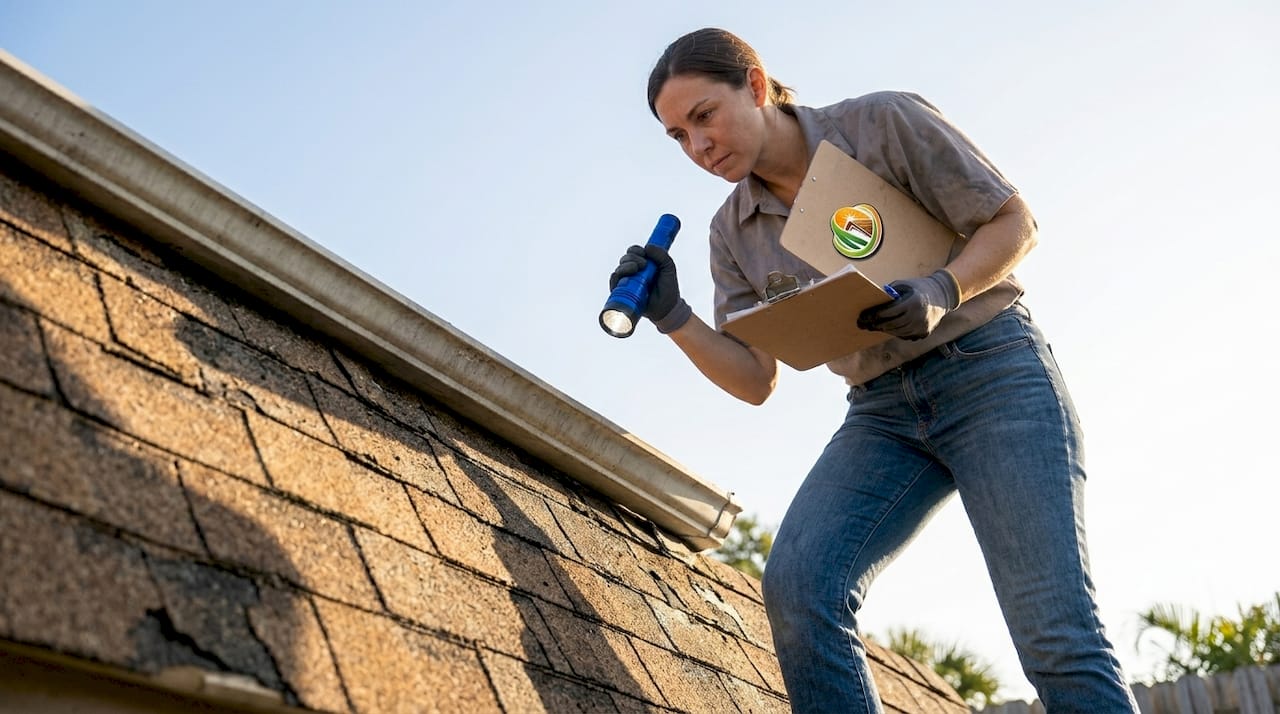
South Florida is not a gentle environment for roofs. The combination of intense UV radiation, high humidity, seasonal hurricanes, and sudden heavy rain creates conditions that age shingles faster than almost anywhere else in the country. What might be a 25-year roof in Ohio can become a 15-year roof here. That reality makes the scope of your warranty protection far more important.
Here's how extended warranties add real, practical value:
-
Workmanship coverage catches installation errors. Even a well-made shingle fails if it's improperly installed. Workmanship coverage means that if a contractor makes a mistake during installation, the repair cost doesn't fall on you.
-
Non-prorated terms protect you for longer. With full non-prorated coverage, you receive the same level of protection in year 10 as in year one. In South Florida, where roofs take constant abuse, that matters.
-
Labor and disposal coverage removes hidden costs. When something does go wrong, a standard warranty may cover the replacement shingles but leave you paying $2,000 to $5,000 in labor and disposal fees. Extended coverage eliminates that surprise.
-
Transferability adds home resale value. Some extended warranties are transferable to a new homeowner, which can be a meaningful selling point in a competitive real estate market.
-
Climate-specific peace of mind. Florida homeowners deal with tropical storms, high winds, and salt air. GAF Golden Pledge, Owens Corning Platinum Protection, and CertainTeed SureStart PLUS all offer protections designed to address extended wear, which is especially relevant in high-stress climates like ours.
"The biggest mistake homeowners make is assuming their roof warranty is the same as their neighbor's. Coverage depth varies wildly, and in Florida's climate, the difference between a material-only warranty and a full extended warranty can easily cost a homeowner $10,000 or more over a decade."
Here's a direct comparison of warranty types at a glance:
| Feature | Material-only warranty | Full extended warranty |
|---|---|---|
| Covers manufacturing defects | Yes | Yes |
| Covers installation errors | No | Yes |
| Includes labor costs | No | Yes |
| Includes disposal fees | No | Often yes |
| Non-prorated term | Rarely | Common |
| Value after 10 years | Reduced or zero | Full or near-full |
If your roof is already showing signs of wear, it's also worth exploring roof renewal services as an alternative or complementary path to extending your roof's life without a full replacement.
For more context on why restoring your existing roof often makes more sense than replacing it, the reasons to restore your roof are worth reading before you make any major decisions.
What's actually covered: Components and exclusions
Understanding what an extended warranty covers is one thing. Knowing what it doesn't cover is just as important.
Extended warranties may include labor, tear-off, and disposal, but that inclusion depends entirely on the specific warranty program you qualify for and who performs your installation. Not all contractors are certified to offer manufacturer-backed extended warranties. If your roofer isn't a certified installer for GAF, Owens Corning, or CertainTeed, you may not qualify for their extended programs at all.
Here's what a strong extended warranty typically covers:
- Roof materials: Shingles, starter strips, ridge cap, and underlayment covered against defects
- Workmanship: Errors in the installation process that lead to leaks or premature failure
- Labor costs: Wages for workers to repair or replace covered components
- Tear-off costs: The labor and equipment needed to remove failed materials
- Disposal fees: Hauling the old material off your property
And here's what is commonly excluded, even from the best extended warranties:
- Storm or wind damage beyond a stated wind speed. Many warranties cap wind coverage at 110 to 130 mph. If a hurricane exceeds that threshold, you may be on your own.
- Damage from improper maintenance. If your gutters were clogged and caused water to back up under your shingles, that's typically your responsibility.
- Pre-existing damage. If the roof had issues before the warranty took effect, those problems are almost never covered.
- Damage from walking on the roof incorrectly. Foot traffic damage is a common exclusion that homeowners don't realize until it's too late.
- Algae or moss damage unless specifically included. Some extended programs offer algae-resistant shingle coverage, but only if the right product was installed.
Pro Tip: Before signing any roofing contract, ask specifically whether the warranty is prorated or non-prorated, and request written confirmation of what's excluded. Make the contractor put it in plain language. If they can't explain it clearly, that's a red flag.
Using a detailed roof inspection checklist before getting a new roof or warranty will help you document your roof's condition, which protects you if a warranty dispute ever arises.
For homeowners in western Palm Beach County, roof renewal in Wellington offers a local option worth exploring before committing to a full replacement or new warranty purchase.
Extended warranty vs roof rejuvenation: Which is right for you?
This is where the decision gets practical. You have an aging roof. You're trying to figure out whether to invest in an extended warranty, pursue a roof rejuvenation or renewal service, or some combination of both.
First, let's be clear about the difference between these two options.
An extended roof warranty protects you financially when something goes wrong with materials or workmanship. It doesn't change the current physical condition of your shingles. If your shingles are already brittle, curling, or losing granules, a warranty doesn't fix that. It only pays toward covered repairs after a failure occurs.
Roof rejuvenation or renewal actually changes the condition of your shingles. Products using advanced technology penetrate the shingle and restore lost oils and flexibility. This can stop ongoing deterioration and extend the roof's functional life before it reaches the point of failure.
Here's a direct side-by-side comparison:
| Factor | Extended warranty | Roof rejuvenation or renewal |
|---|---|---|
| Best for | New or recently replaced roofs | Aging but structurally sound roofs |
| Fixes current damage | No | Yes |
| Covers future failures | Yes | Partially (if backed by warranty) |
| Typical cost | Included with qualifying install | Fraction of replacement cost |
| Extends roof lifespan | Indirectly (via repairs) | Directly by 10 to 15 years |
| Requires full roof replacement | Yes, to qualify for top programs | No |
GAF Golden Pledge, Owens Corning Platinum Protection, and CertainTeed SureStart PLUS are excellent products, but they require you to have a new qualifying roof system installed. That means spending $15,000 to $30,000 before the warranty even begins.
If your roof still has structural integrity but the shingles are drying out due to South Florida's intense UV exposure, rejuvenation may give you 10 to 15 more years of life at a fraction of that cost.
Here's when each option makes more sense:
- Choose an extended warranty if: Your roof is new or recently replaced, was installed by a certified contractor, and you want long-term protection against future manufacturing or workmanship failures.
- Choose roof rejuvenation if: Your roof is 7 to 20 years old, the underlying structure is solid, and you want to restore flexibility and stop further deterioration without a full replacement.
Pro Tip: These two options aren't always mutually exclusive. Some renewal services come with their own warranties. The key is knowing your roof's current condition first.
To understand how modern rejuvenation technology compares to older methods, the breakdown of fresh roof vs roof rejuvenation explains the critical differences in plain language.
Why most South Florida homeowners misunderstand roof warranties
Here's our honest take after working with homeowners across Broward and Palm Beach County: most people focus entirely on the material coverage number. They hear "30-year warranty" and assume they're protected for 30 years. They're not asking the right questions.
The real value in any extended warranty is in the workmanship and labor coverage, not just the material protection. A shingle manufacturer will almost always honor a material defect claim. What they won't do is pay for the labor to remove, reinstall, and dispose of everything if your contractor made an error during installation. That's where homeowners get blindsided.
Florida's climate also changes the math. In our environment, shingles age faster, storm exposure is frequent, and the fine print matters more than anywhere else in the country. An exclusion for wind speeds above 110 mph, for example, is essentially meaningless protection in hurricane territory.
We've seen homeowners in Plantation and surrounding areas wait too long, watching their shingles deteriorate while assuming their warranty had them covered, only to discover the damage wasn't covered at all. The smarter approach is to understand your warranty fully and act before deterioration becomes a structural problem. Early intervention almost always costs less.
Explore cost-effective roof restoration solutions in South Florida
If this article has made one thing clear, it's that warranty protection and roof condition are two separate conversations. Your warranty protects you financially after something fails. Your roof's physical condition determines how soon that failure might happen.
At Shingle Roof Renewal, our certified roof restoration services are built specifically for South Florida homeowners who want to extend their roof's life without spending $15,000 to $30,000 on a full replacement. Using GreenSoy Technology, we restore shingle flexibility and stop deterioration at the source, backed by a 6-year transferable warranty. Whether you're in Delray Beach or anywhere across Broward and Palm Beach County, we start with a free inspection to tell you honestly whether your roof qualifies. Visit Shingle Roof Renewal to schedule yours today.
Frequently asked questions
What is the difference between an extended roof warranty and a standard warranty?
An extended roof warranty covers both materials and workmanship for a longer, often non-prorated period, while a standard warranty mainly covers material defects only. The difference in out-of-pocket exposure during a repair can easily reach thousands of dollars.
Are labor, tear-off, and disposal typically included in extended roof warranties?
Yes, many extended warranties include labor, tear-off, and disposal costs alongside materials and workmanship coverage. However, this varies by program and requires installation by a certified contractor to qualify.
Can an extended roof warranty help me avoid costly replacement?
An extended warranty can reduce out-of-pocket repair costs significantly, but enhanced warranties cover repairs after failures occur rather than preventing deterioration. Pairing a warranty with a roof renewal service offers the most complete protection.
What should I look for in the fine print of an extended roof warranty?
Always check for exclusions, the duration of non-prorated protection, and whether labor and disposal are covered. Wind speed caps and maintenance-related exclusions are the two most common surprises homeowners discover only after filing a claim.