
TL;DR:
- Homeowners should inspect their roofs within 24 to 48 hours after a storm to catch damage early and prevent costly repairs. A comprehensive assessment includes ground-level scans, attic checks, and detailed documentation for insurance claims to ensure proper evaluation and potential preservation options. Structural signs like sagging roofs and exposed underlayment require professional inspection to avoid further damage.
A post-storm roof inspection checklist is a step-by-step guide homeowners use to assess roof damage after severe weather, catch problems early, and avoid expensive repairs. In South Florida, where Broward and Palm Beach County face intense hurricane seasons, acting within 24–48 hours of a storm is the difference between a minor repair and a full replacement. This guide walks you through every step of a proper roof damage assessment, from ground-level scans to attic checks to insurance documentation, so you can protect your home and your wallet.
1. What are the critical signs of roof damage to check immediately after a storm?
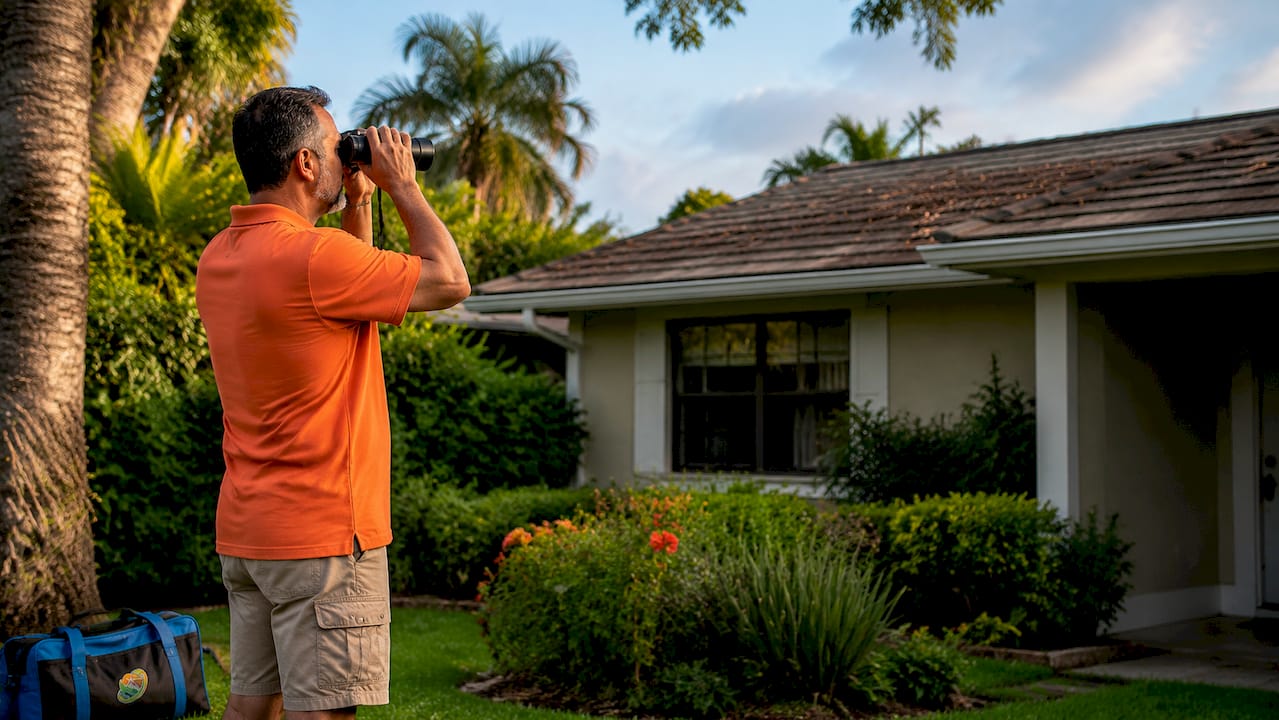
The first step in any post-storm inspection guide is a safe, systematic scan from the ground. Never climb on a wet or damaged roof. Use binoculars to examine the roof surface closely from street level or your yard.
Look for these primary damage indicators:
- Missing, cracked, or curled shingles. These are the most visible signs of wind damage. Even one missing shingle creates an entry point for water.
- Granule loss in gutters. Granule accumulation in gutters after a storm signals severe shingle degradation and high roof failure risk. This is a red flag that the protective layer is stripping away.
- Dented gutters and metal components. Hail leaves circular dents on aluminum gutters, flashing, and vent covers. If your gutters show dents, your shingles likely took hits too.
- Damaged flashing. Check the metal strips around chimneys, vents, and skylights. Lifted or bent flashing lets water pour directly into your home.
- Downed limbs and debris. Impact from fallen branches can crack decking and puncture shingles without leaving obvious surface marks.
Pro Tip: Walk the full perimeter of your home with binoculars before calling anyone. Take photos of everything you see, even if it looks minor. Patterns matter more than single spots.
South Florida storms bring both high winds and hail, so you are often dealing with multiple damage types at once. A thorough ground-level scan takes 20–30 minutes and costs nothing. Skipping it costs thousands.
2. How to inspect your roof's interior and attic for hidden storm damage
Visible surface damage is only part of the picture. Attic and structural assessments uncover delayed damage that never shows up on the outside. This step is the most overlooked part of any roof repair checklist.
Start inside your home before going into the attic:
- Check ceilings for water stains, bubbling paint, or discoloration. Fresh stains are yellow or brown rings. Active leaks show wet spots or dripping.
- Look for daylight through the roof decking. In a darkened attic, any pinhole of light means a gap in your roof system.
- Feel insulation for dampness. Wet insulation holds moisture for days and leads to mold growth if not addressed quickly.
- Smell for musty odors. Trapped moisture in attic spaces creates a distinct smell before visible mold appears.
- Check for mold or dark staining on rafters. This indicates water has been entering for longer than the most recent storm.
Pro Tip: Bring a flashlight and wear a dust mask in the attic. Move carefully along the joists only. If you see sagging decking or feel soft spots underfoot, stop and call a professional.
Windows or doors near the roofline that stick or become difficult to open after a storm indicate possible structural shifting. This is a serious sign. Structural shifts require immediate professional assessment because deck movement can worsen quickly without visible surface damage.
3. Step-by-step guide to documenting storm roof damage for insurance claims
Proper documentation is what separates a paid claim from a denied one. Detailed photographic documentation elevates insurance claim approval chances significantly. An insurance-grade inspection includes GPS-tagged photos, specific damage area dimensions, and a clear record of when the storm occurred.
Follow these steps in order:
- Pull your pre-storm photos first. Without pre-storm photos, proving recent damage is difficult. If you do not have them, start this habit today for future storms.
- Photograph wide-angle shots of each roof slope. Capture the full surface before zooming in on damage areas.
- Take close-up shots with a scale reference. Use rulers, coins, or your hand for scale in damage photos. Scale references allow adjusters to objectively assess damage severity and distinguish new storm damage from pre-existing wear.
- Record the date, time, and storm details. Note the storm name or date, wind speeds if reported locally, and any hail size observed.
- Collect physical samples. Save granules from gutters in a labeled bag. Keep any shingle fragments that fell to the ground.
- Log every communication. Write down every call, email, and visit related to the damage, including the date and the name of who you spoke with.
- Back up everything digitally. Upload photos and videos to cloud storage immediately. Do not rely solely on your phone.
Organized documentation protects you if your insurer disputes the claim or delays payment. Treat this step as seriously as the inspection itself.
4. When and why to call a professional roofing inspector after a storm
Some damage requires a trained eye. Knowing when to call a professional is a core part of any storm roof maintenance plan. The following signs mean you need expert evaluation, not a DIY fix:
- Exposed underlayment. If the black or gray felt layer under your shingles is visible, your roof has lost its first line of defense.
- Sagging roof deck. Any visible dip or wave in the roofline means structural damage. This is a critical condition.
- Structural shifts confirmed by sticky doors or windows. As noted above, this goes beyond surface repair.
- Active leaks inside the home. Water entering the living space needs professional triage immediately.
- Large sections of missing shingles. More than a few missing shingles in one area signals wind uplift damage that requires a full assessment.
Professional inspections in Florida should be scheduled annually before june 1 to catch minor issues before hurricane season begins. Seal degradation typically occurs within 10–15 years in Florida's intense UV environment, meaning many roofs in Broward and Palm Beach County are already vulnerable before a storm hits.
Independent estimates from certified inspectors also strengthen your insurance claim. An adjuster working for your insurer has different incentives than an independent professional working for you. Getting your own estimate gives you a factual baseline for negotiations.
Emergency tarping after exposed holes or structural damage reduces further damage and can be reimbursed by insurance or FEMA in federally declared disasters. Do not wait for a contractor to become available before protecting an open roof.
5. Comparison of common post-storm roof damage types and recommended actions
Use this table as a quick reference during your roof damage assessment. Match what you observe to the severity level and take the recommended action.
| Damage Type | Severity | Recommended Action |
|---|---|---|
| Granule loss in gutters | Moderate | Schedule professional assessment; consider roof preservation |
| 1–3 missing shingles | Moderate | Minor repair by licensed contractor; document for insurance |
| Damaged or lifted flashing | Moderate to High | Professional repair; prevent water intrusion at seams |
| Water stains on ceilings | High | Locate source immediately; call a professional inspector |
| Sagging roof deck | Critical | Emergency professional assessment; tarp if needed |
| Exposed underlayment | High | Tarp and call a contractor same day |
| Cracked or curled shingles | Low to Moderate | Monitor; assess for roof preservation options before replacing |
Granule loss deserves special attention in South Florida. It looks minor but signals that your shingles are losing the protective coating that blocks UV rays and repels water. Catching it early opens the door to preservation rather than replacement.
Key takeaways
A thorough post-storm roof inspection, completed within 24–48 hours and covering ground-level, attic, and documentation steps, is the most effective way to prevent costly roof replacement in South Florida.
| Point | Details |
|---|---|
| Inspect within 24–48 hours | Early assessment limits secondary water damage and protects insurance claim viability. |
| Never skip the attic | Hidden structural damage and moisture often go undetected without an interior inspection. |
| Document with scale references | Photos with rulers or coins help adjusters distinguish new storm damage from existing wear. |
| Know when to call a pro | Sagging decks, exposed underlayment, and sticky doors require professional evaluation, not DIY fixes. |
| Granule loss is a warning sign | Granules in gutters after a storm indicate advanced shingle deterioration that warrants proactive maintenance. |
What most homeowners miss about post-storm inspections
After working with South Florida homeowners across Broward and Palm Beach County, I have seen the same pattern repeat itself. The homeowner walks outside after a storm, sees no obvious holes, and assumes the roof is fine. Two weeks later, a water stain appears on the living room ceiling. By then, the damage has spread from a $400 repair to a $4,000 problem.
The 24–48 hour inspection window is not just a suggestion. It is the point at which you still have control. After that, moisture works its way into decking, insulation, and framing, and the costs compound fast.
The attic inspection is the step I see skipped most often. Homeowners check the outside, feel reassured, and never open the attic hatch. But effective inspections treat the roof as a system, including load transfer points and framing alignment only visible from inside. Surface damage tells you what happened. The attic tells you how bad it actually is.
My strongest advice: start taking pre-storm photos now, before the next storm arrives. Store them in Google Photos or iCloud with the date visible. That one habit has saved homeowners I work with thousands of dollars in disputed insurance claims.
The bigger picture is this. Many roofs that look damaged after a storm are not beyond saving. They need assessment, not replacement. Call a preservation specialist before you call a roofer. You may have more options than you think.
— Daniellison
Your roof may qualify for preservation, not replacement
After a storm, the instinct is to call a roofer and start pricing replacements. But many South Florida roofs in Broward and Palm Beach County qualify for preservation instead.

Shingleroofrenewal is a certified applicator of Fresh Roof Green Soy Technology, a treatment that restores shingle flexibility, locks in granules, and extends roof life by 10–15 years at a fraction of replacement cost. The process starts with a free inspection to assess whether your roof qualifies. If it does, you could save thousands compared to a full tear-off, backed by a 6-year transferable warranty. Visit Shingleroofrenewal to schedule your free inspection and find out if your roof can be saved before you spend $15,000–$30,000 on a new one.
FAQ
How soon should I inspect my roof after a storm?
Inspect within 24–48 hours of a severe weather event. This window limits secondary water damage and keeps your insurance claim on solid ground.
Is it safe to inspect my roof myself?
Ground-level and attic inspections are safe for most homeowners. Never climb onto a wet or damaged roof. Use binoculars for close examination from the ground.
What does granule loss in gutters mean?
Granule accumulation in gutters after a storm signals severe shingle degradation. It means the protective coating is stripping away and the roof needs professional evaluation soon.
When should I call a professional inspector instead of doing it myself?
Call a professional if you see a sagging roof deck, exposed underlayment, active interior leaks, or doors and windows near the roofline that suddenly stick. These signs indicate structural damage beyond DIY assessment.
Does Shingleroofrenewal replace roofs after storm damage?
Shingleroofrenewal is not a roofing contractor. We assess whether your roof qualifies for preservation and renewal using Fresh Roof technology, which can extend shingle life and save you thousands compared to full replacement.