
TL;DR:
- Preventive roof maintenance, conducted between February and May, can extend the lifespan of South Florida shingles by 10 to 15 years and significantly reduce costs. Key actions include inspecting shingles, resealing flashing, replacing cracked pipe boots, cleaning gutters, trimming overhanging branches, and documenting roof conditions with photos. Timely repairs of leak pathways and considering professional roof renewal are essential strategies to prevent costly storm damage and premature roof replacement.
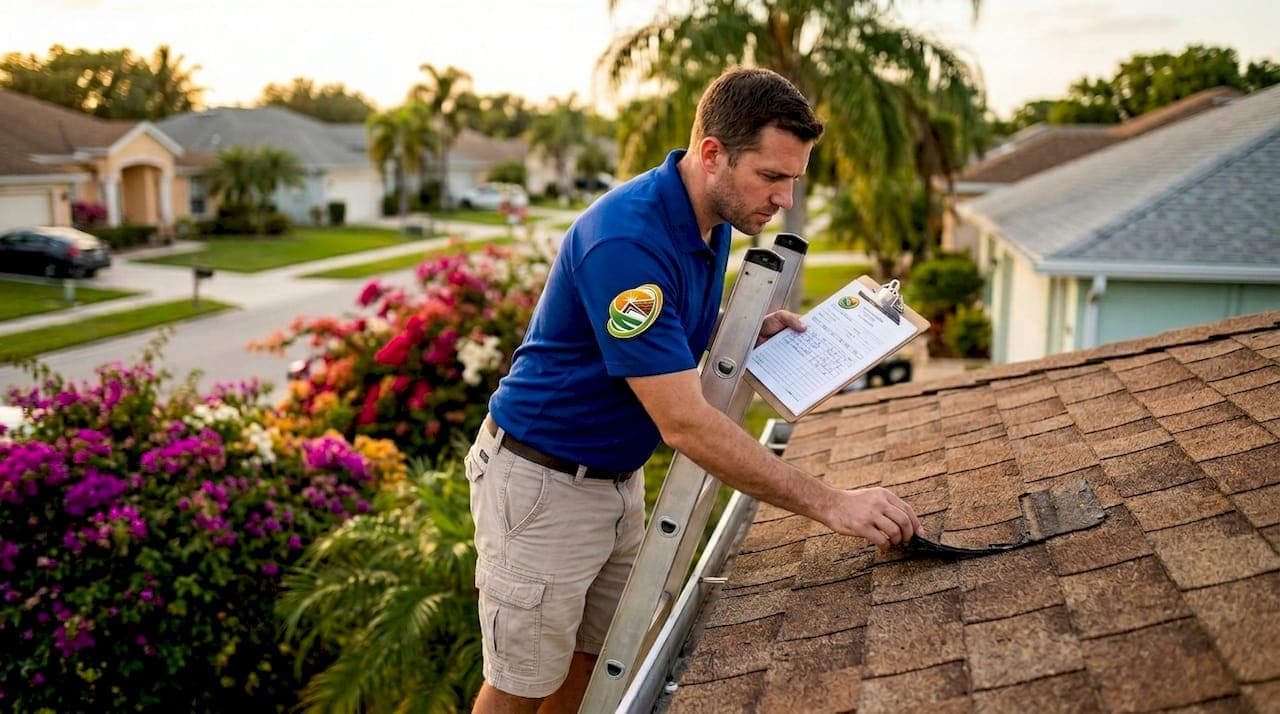
Preventive roof repair is defined as the practice of inspecting, maintaining, and fixing minor shingle roof issues before they grow into costly structural damage or force a full replacement. For homeowners in Broward County and Palm Beach County, this practice is not optional. South Florida's hurricane season runs from June 1 through November 30, with peak storm activity between August and October. That window gives you a narrow but critical opportunity each year to protect your home. The right preventive home roof care steps, taken between February and May, can extend your roof's life by 10 to 15 years and save you up to 80% compared to a full replacement.
1. Inspect shingles for visible wear and damage
Shingle condition is the first indicator of how much life your roof has left. Look for curling edges, cracked surfaces, missing shingles, and granule loss. Granules protect the asphalt layer from UV radiation. When they shed in large quantities, the shingles dry out faster under South Florida's intense sun, leading to cracking and brittleness.
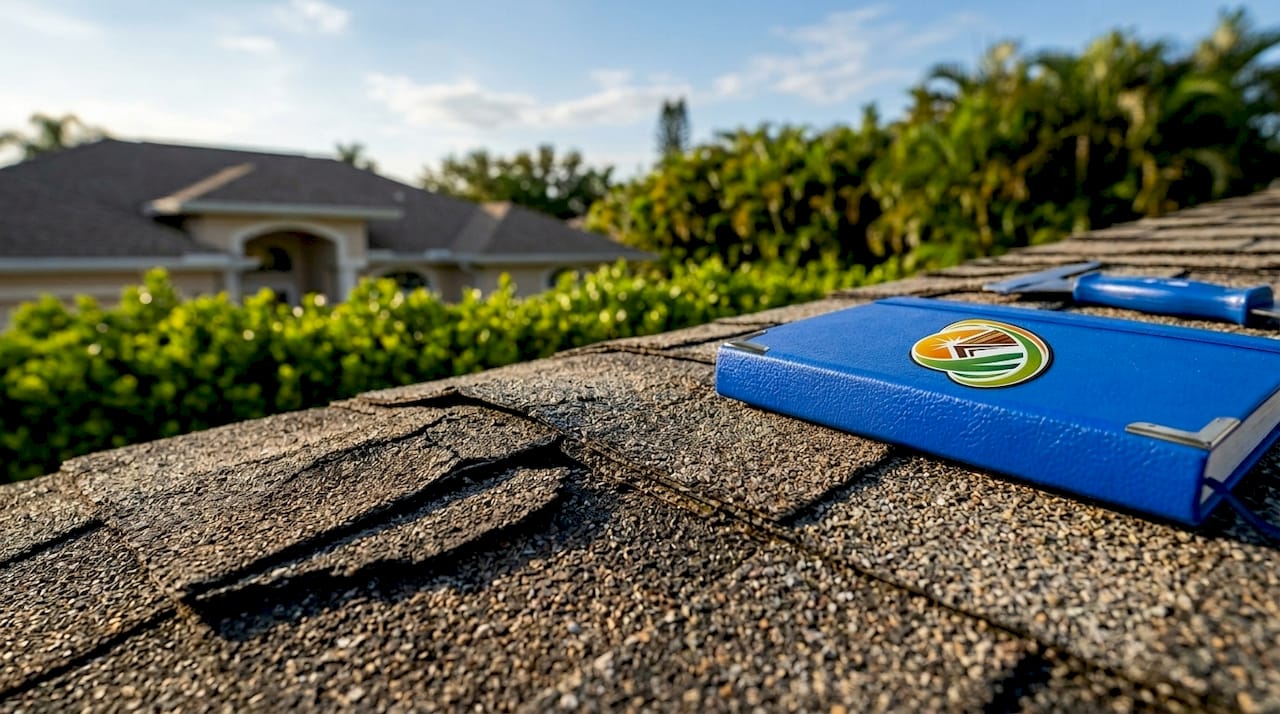
You do not need to climb on the roof to spot most of these issues. Most roof inspections can be performed safely from the ground using binoculars, supplemented by an attic check for moisture and daylight. This approach covers the majority of what a preliminary inspection needs to catch.
Pro Tip: Check your gutters for granule buildup after a heavy rain. A significant amount of granules in the gutter is a clear sign your shingles are aging faster than expected.
2. Reseal and inspect all flashing points
Flashing and sealant deterioration around chimneys, skylights, vents, and pipe penetrations are common sources of leaks after storms in South Florida. These metal strips and sealant beads are the joints of your roof system. When they crack or lift, water finds a direct path into your home.
Walk the perimeter of your roof from the ground and look for any lifted metal edges or visible gaps. Inside the attic, water stains near the chimney base or around vent pipes confirm active flashing failures. Resealing these points with a quality roofing caulk is one of the highest-return preventive steps you can take before storm season.
3. Replace cracked or missing pipe boots immediately
Pipe boots are the rubber or metal collars that seal plumbing vents where they exit the roof. They are one of the most overlooked components on a shingle roof, and one of the most common leak sources in South Florida homes. Rubber boots crack and shrink under constant heat and UV exposure, often within 10 years of installation.
Delaying repair of cracked pipe boots increases interior water damage and repair costs significantly. Fixing a pipe boot typically costs far less than repairing the drywall, insulation, and mold remediation that follow a season of undetected leaks. Schedule this repair the moment you spot a cracked boot.
4. Clean gutters and downspouts before rainy season
Clogged gutters are not just a nuisance. Blocked gutters become water vessels during heavy storms, causing fascia rot, increased roof load, and water intrusion at the roofline. In South Florida, where summer storms can drop several inches of rain in under an hour, clean drainage is a structural necessity.
Clear all leaves, debris, and accumulated granules from gutters and downspouts at least twice a year. Check that downspouts direct water at least four feet away from the foundation. Confirm that all gutter brackets are secure, since loose gutters can tear away from the fascia during high winds and cause additional damage.
5. Trim overhanging branches near the roofline
Tree branches that hang over your roof create two problems. During storms, they act as battering rams against shingles. Year-round, they deposit leaves and moisture that accelerate shingle deterioration and clog gutters. In Broward and Palm Beach counties, where mature trees are common in residential neighborhoods, this is a consistent maintenance priority.
Trim any branch that hangs within six feet of the roof surface. You can handle smaller, reachable branches safely from a ladder, but hire a licensed arborist for larger limbs. The cost of trimming is a fraction of what a fallen branch repair costs after a named storm.
6. Conduct a thorough attic inspection
Your attic is the first place water damage shows up after a roof failure. Inspect it at least once before hurricane season for three specific signs: daylight visible through the roof deck, dark staining or soft spots on the wood, and any musty odor indicating mold growth. Each of these points to an active or developing leak pathway.
Also check attic ventilation. Blocked soffit vents or a malfunctioning ridge vent trap heat and moisture, which accelerates shingle aging from the inside out. South Florida's heat makes proper attic airflow especially important. A well-ventilated attic can meaningfully extend the life of your shingles by reducing the thermal stress they experience daily.
7. Document your roof condition with photos
Documenting roof condition with photos from multiple angles before and after storms supports insurance claims by clearly establishing pre-storm condition. This is particularly important in Florida, where insurers scrutinize claims carefully and may attribute storm damage to pre-existing wear.
Take photos from each corner of the house, close-ups of any visible wear, and shots of the gutters and flashing areas. Store these in a dated folder on your phone or cloud storage. Consistent photo documentation over time also helps you track deterioration and decide whether a localized repair or broader intervention is needed.
Pro Tip: Take your baseline photos on a clear day before June 1 each year. If a storm hits and you file a claim, those dated images are your strongest evidence.
8. Fix active leak pathways before storm season
Immediate repair of active leak pathways like missing shingles, open flashing gaps, or cracked pipe boots typically costs between $300 and $900. That range is a fraction of what progressive interior water damage costs after multiple rain events. Every storm that passes over an unrepaired leak makes the problem worse and the repair more expensive.
Prioritize any repair where water has a clear, unobstructed path into the home. Missing shingles, open nail holes, and lifted flashing edges all qualify. These are not cosmetic issues. They are active threats to your ceiling, insulation, and structural framing.
9. Check fascia, soffits, and ventilation vents
Fascia boards and soffits are the trim components along the roofline. They protect the roof deck edge and provide ventilation pathways. In South Florida, wood fascia is particularly vulnerable to moisture and insect damage. Soft or discolored fascia boards indicate water intrusion that may already be affecting the roof deck.
Inspect soffit vents for blockages from insulation, wasp nests, or debris. Blocked vents reduce attic airflow and increase heat buildup. Check that all vent screens are intact, since open vents are an entry point for wind-driven rain during hurricanes. Replacing a damaged soffit vent screen costs very little compared to the damage an unprotected opening can cause.
10. Time your repairs between February and May
Completing roof inspections and repairs before June 1 is the single most important scheduling decision you can make as a South Florida homeowner. Roofing contractors in Broward and Palm Beach counties book up quickly as hurricane season approaches. Waiting until April or May means longer lead times, higher demand pricing, and less time to address anything discovered during the inspection.
Early roof preparation without a storm on the radar gives you sufficient contractor lead time and removes the urgency premium from repair costs. Schedule your professional inspection in February or March. Complete any identified repairs by the end of April. That timeline gives you a full month of buffer before the season officially begins.
Pro Tip: Ask your roofing contractor about a wind mitigation inspection at the same time. Documented wind mitigation features can qualify you for meaningful insurance premium discounts in Florida.
11. Consider professional roof renewal before replacement
Preventive maintenance can extend a shingle roof's life by 10 to 15 years and save homeowners up to 80% compared to full roof replacement costs. Most homeowners in South Florida do not realize their aging roof can be restored rather than replaced. If your shingles are drying out, curling, or losing granules but the roof deck is still structurally sound, renewal is a legitimate and cost-effective option.
Shingleroofrenewal uses Fresh Roof's GreenSoy Technology to restore shingle flexibility at the molecular level, stopping further deterioration without tearing off the existing roof. This is not a cosmetic coating. It is a restoration process designed specifically for the heat, UV exposure, and storm conditions that South Florida shingles face. For aging shingle roofs that still have structural integrity, this approach delivers real longevity at a fraction of replacement cost.
Key takeaways
Consistent preventive roof care, timed before June 1 each year, is the most cost-effective strategy for South Florida homeowners to extend shingle roof life and avoid premature replacement.
| Point | Details |
|---|---|
| Time repairs before June 1 | Schedule inspections in February or March to beat contractor demand and storm season. |
| Fix leak pathways first | Repairs to missing shingles, pipe boots, and open flashing cost $300 to $900 and prevent far larger damage. |
| Document with photos | Dated pre-storm photos protect your insurance claim and help track roof deterioration over time. |
| Renewal beats replacement | Restoring a structurally sound shingle roof can save up to 80% compared to a full replacement. |
| Penetrations are the real risk | Flashing, pipe boots, and vent collars cause more storm leaks than shingles themselves. |
What I've learned about South Florida roofs after years of watching them fail
After working with hundreds of homeowners across Broward and Palm Beach counties, one pattern stands out clearly. The roofs that fail prematurely almost never fail because of the shingles themselves. They fail at the penetrations. The pipe boot nobody noticed. The flashing that lifted two seasons ago and got ignored. The gutter that pulled away from the fascia and let water wick back under the drip edge.
Most homeowners focus on shingles because shingles are visible. But the real weak spots are the transitions and joints. A cracked rubber pipe boot on a 12-year-old roof in Plantation or Delray Beach will cause more interior damage in a single storm than a dozen worn shingles ever would.
My honest advice: stop treating roof maintenance as a once-a-decade concern. In South Florida, the combination of UV intensity, heat, and storm frequency ages a shingle roof faster than almost anywhere else in the country. A roof that might last 25 years in Ohio will show serious wear in 15 years here without consistent care.
The homeowners who avoid expensive replacements are not the ones with the newest roofs. They are the ones who inspect every February, fix small problems in March, and document everything before June. That discipline is worth more than any single repair.
— Daniellison
Protect your South Florida roof before hurricane season hits

If your shingle roof in Broward or Palm Beach County is showing signs of aging, cracking, or granule loss, you may not need a full replacement. Shingleroofrenewal is a certified applicator of Fresh Roof's GreenSoy Technology, a proven restoration process that extends shingle roof life by 10 to 15 years at a fraction of replacement cost. Homeowners who qualify save up to 80% compared to a new roof, backed by a 6-year transferable warranty. The process starts with a free inspection, and the best time to schedule it is right now, before contractor demand spikes ahead of storm season. Schedule your free inspection today and find out if your roof qualifies for renewal.
FAQ
What are the most important preventive roof repair ideas for South Florida?
The highest-priority steps are fixing active leak pathways like cracked pipe boots and open flashing, cleaning gutters before storm season, and documenting your roof condition with photos. These three actions address the most common causes of storm-related interior damage on South Florida shingle roofs.
When is the best time to do preventive roof maintenance in Florida?
The ideal window is February through May, before the June 1 hurricane season start date. Scheduling early gives you access to contractors before demand peaks and enough time to complete any repairs identified during the inspection.
Can I inspect my own roof safely?
Yes, for a preliminary check. Most roof inspections can be performed from the ground using binoculars, combined with an attic walkthrough to look for daylight, moisture stains, and soft spots. A licensed roofing professional should follow up for a detailed assessment.
How much does preventive roof repair typically cost?
Fixing common leak pathways like missing shingles, cracked pipe boots, or open flashing gaps typically costs between $300 and $900. Addressing these issues early prevents far more expensive interior repairs and delays the need for a full roof replacement.
Is roof renewal a real alternative to replacement for aging shingle roofs?
Yes, for roofs with a structurally sound deck. Preventive maintenance combined with a professional renewal process can extend a shingle roof's life by 10 to 15 years and save homeowners up to 80% compared to full replacement costs, making it a practical option for many South Florida homes.