
TL;DR:
- Florida's climate accelerates shingle deterioration due to UV, humidity, and storm exposure.
- Regular inspections, proper materials, and timely repairs can extend shingle roof lifespan.
- Maintenance and restoration are cost-effective alternatives to full roof replacement in storm-prone areas.
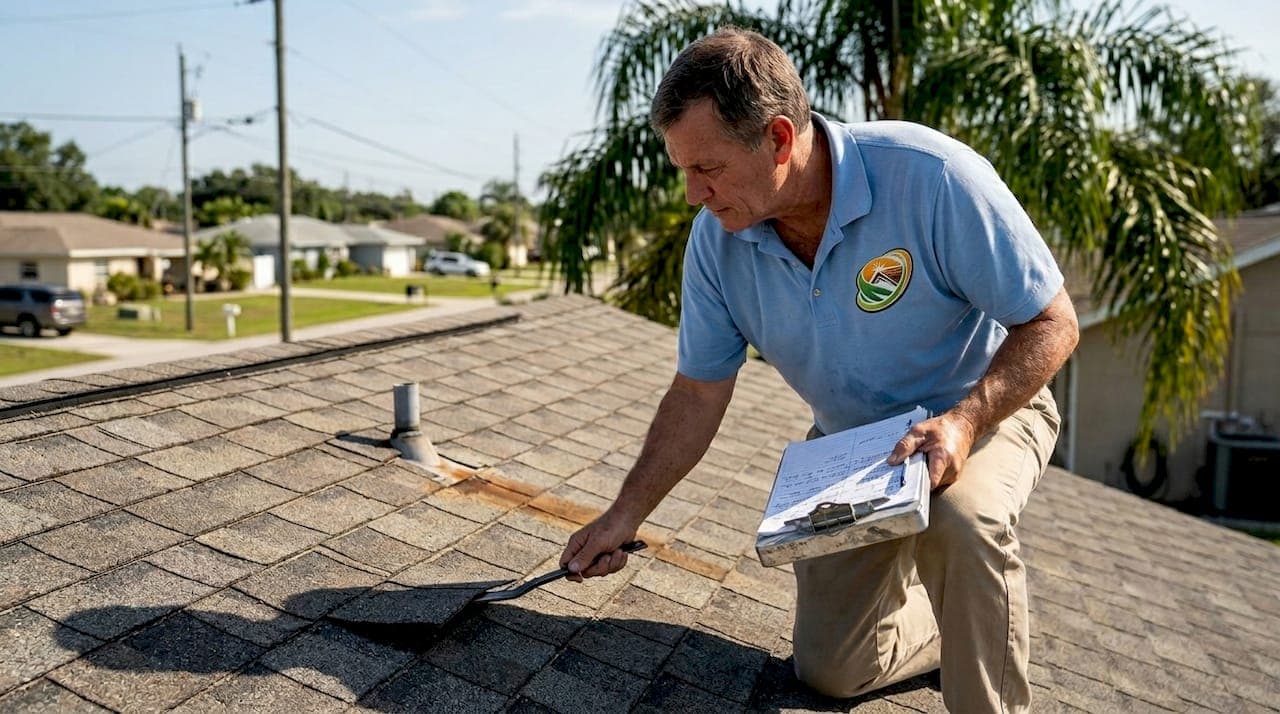
A single missed inspection before hurricane season. That's often all it takes for an aging shingle roof to fail when a storm rolls through South Florida. Repair bills can climb into the tens of thousands, and insurance claims are harder to win when there's no documented maintenance history. The good news is that protecting your roof doesn't require a full replacement or a massive budget. This guide walks you through the real risks, the right tools, and the proven steps to secure and maintain your shingle roof so it stands up to whatever Florida throws at it.
Table of Contents
- Assessing risks to your shingles in Florida
- Prepping your roof: Tools, materials, and what to check first
- Step-by-step: Securing and repairing aging shingles
- Maintenance strategies to extend shingle roof life in Florida
- Expert perspective: What most homeowners miss about shingle protection
- Affordable shingle renewal options in South Florida
- Frequently asked questions
Key Takeaways
| Point | Details |
|---|---|
| Inspect regularly | Check your shingle roof at least twice a year and after all major storms to spot damage early. |
| Use storm-ready materials | Apply only high-temperature, wet-condition roofing cement and avoid coatings that lack manufacturer approval. |
| DIY for small repairs | Homeowners can safely handle minor shingle fixes, but leave major repairs to professionals to ensure safety and warranty protection. |
| Maintenance saves money | Consistent upkeep can add years to your shingle roof and prevent costly hurricane damage. |
Assessing risks to your shingles in Florida
Florida's climate is uniquely punishing for shingle roofs. It's not just hurricanes. It's the combination of intense UV exposure, extreme humidity, heavy rain cycles, and storm-force winds that work together to degrade your shingles faster than almost anywhere else in the country. Understanding these threats is your first line of defense.
UV radiation in South Florida is relentless. It dries out the asphalt in your shingles over time, making them brittle and prone to cracking. Humidity encourages algae and mold growth, which breaks down shingle surfaces and leads to moisture intrusion. Then come the storms. Wind lifts loose shingle edges. Rain finds every gap.
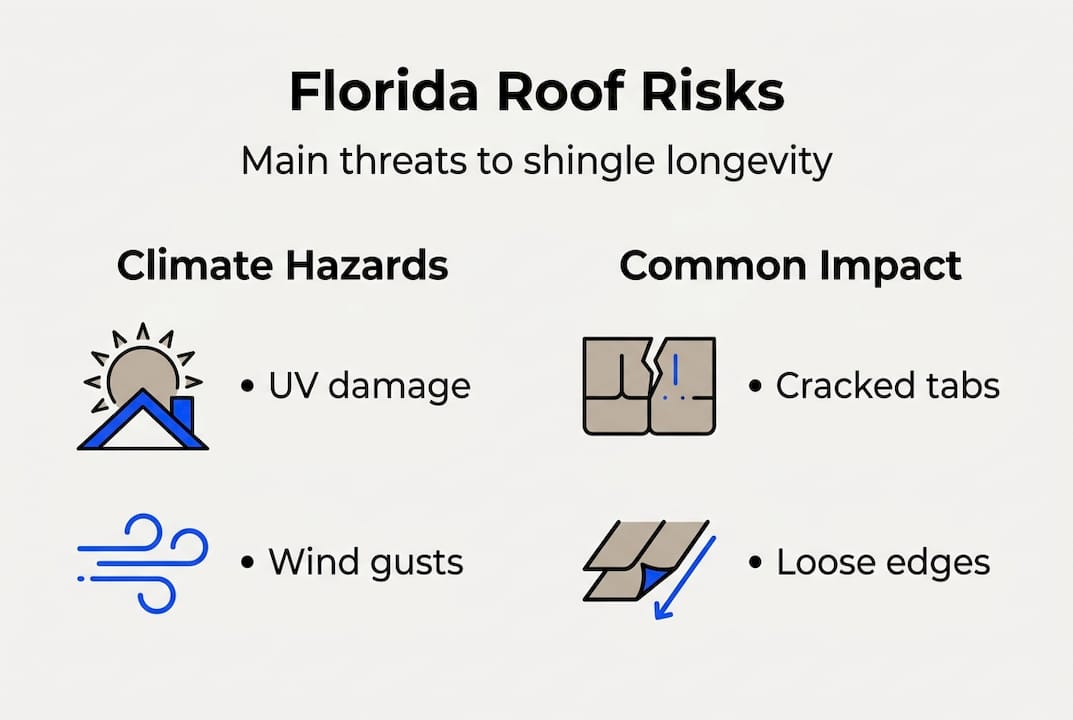
Age matters enormously here. According to IBHS storm research, asphalt shingles 10+ years old showed roughly a 50% damage rate during Hurricane Ian in 2022. That's a striking number. If your roof is a decade old or more, it's already in a higher risk category.
Knowing Florida's climate and shingle risks can help you catch problems before they become emergencies. Start by walking around your home and looking for these warning signs:
- Curling or cupping shingles along roof edges or ridge lines
- Granule loss visible in gutters or at downspout exits
- Loose or lifted shingle edges, especially on the windward side
- Dark streaking or green patches indicating algae or moss growth
- Missing shingles or visible gaps in coverage
Here's a quick breakdown of the main risk factors and how often they affect South Florida roofs:
| Risk factor | Estimated impact | Frequency in South Florida |
|---|---|---|
| Hurricane force winds | High shingle loss/failure | Annual threat, June to November |
| UV radiation | Brittleness, cracking | Year-round, daily |
| Humidity and moisture | Algae, mold, rot | Year-round |
| Aging (10+ years) | 50% damage rate in major storms | Cumulative over time |
| Tropical rain cycles | Lifting, seepage under loose shingles | Frequent, spring through fall |
For a deeper look at shingle strengths and risks specific to Florida, reviewing the full picture before storm season helps you prioritize which repairs matter most.
Prepping your roof: Tools, materials, and what to check first
After understanding your risks, it's time to gather the right tools and materials and run your first safety checks. Going up on a roof without preparation is how minor issues turn into injuries or bigger damage. So let's do this right.
Here's what you'll need before you start any inspection or repair:
- Extension ladder with rubber feet and stabilizer arms
- Safety harness rated for roof work
- Roofing cement or mastic (ASTM D4586 rated for high heat and wet conditions)
- Caulk gun for precise sealant application
- Flat pry bar for lifting damaged shingles without breaking them
- Galvanized roofing nails (1.25 to 1.5 inch for standard shingles)
- Roofing tape for temporary sealing around flashing
Not all adhesives are created equal in Florida's climate. Generic hardware store roofing cement may fail in extreme heat or heavy rain. ARMA's repair guidance is clear: use ASTM D4586-rated cement to secure loose shingles, specifically formulated for high temperatures and wet conditions.
| Product type | Florida-appropriate choice | Generic alternative |
|---|---|---|
| Roofing cement | ASTM D4586, high-temp rated | Standard lap cement (may crack in heat) |
| Sealant | Polymer-modified, UV resistant | Basic silicone (degrades in UV) |
| Nails | Hot-dipped galvanized | Electro-galvanized (rusts faster) |
| Underlayment tape | Self-adhering, rubberized asphalt | Standard felt tape (moisture risk) |
For your pre-maintenance checklist, focus on these key areas during your DIY roof inspection checklist walkthrough:
- Check every shingle edge for lifting, especially at eaves and ridges
- Look for popped or missing nails along shingle tabs
- Inspect underlayment visibility, any exposed felt means compromised shingles
- Examine flashing around vents, chimneys, and skylights for gaps or rust
- Clear gutters and check for granule buildup, a key sign of shingle wear
Pro Tip: Before buying roofing cement, check the label for ASTM D4586 compliance and Florida Building Code compatibility. Not every product sold locally meets both standards. A product that's Florida-rated matters more than brand name alone.
One thing to avoid completely: pressure washing your roof. It strips granules from shingles, voids many manufacturer warranties, and can force water under the shingle surface. Use a gentle rinse with a standard garden hose if cleaning is necessary, and review damage assessment steps to properly document what you find.
Step-by-step: Securing and repairing aging shingles
Once your roof is prepped, it's time to tackle the actual repairs and reinforcement. Here's how to do it right, step by step.
- Locate problem shingles. Walk the roof perimeter first, then move up in rows. Mark lifted, cracked, or loose shingles with chalk.
- Clean the repair area. Remove any debris, dirt, or algae from the shingle surface and the area underneath before applying adhesive.
- Lift the shingle edge carefully. Use a flat pry bar to gently raise the shingle tab without snapping it. Cold shingles crack more easily, so work during the warmer part of the day.
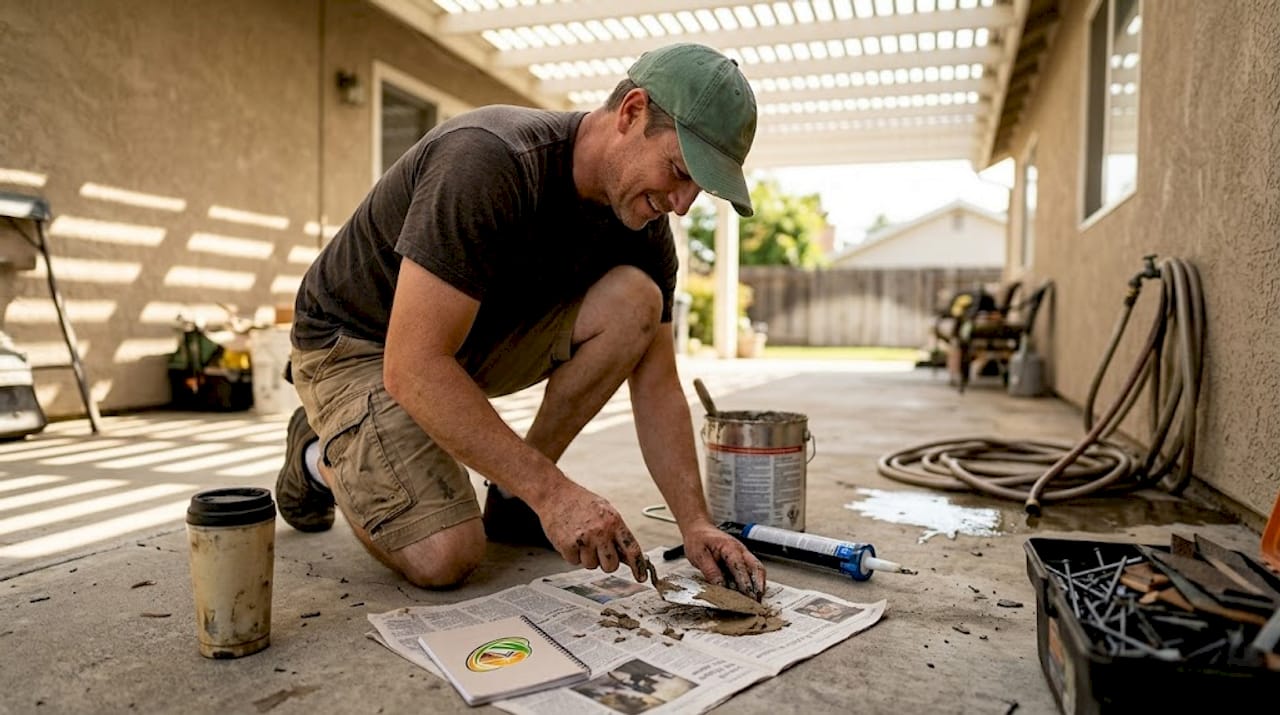
- Apply roofing cement. Load your ASTM D4586 rated cement into a caulk gun. Apply a consistent bead under the shingle, about half an inch from the edge. Press the shingle down firmly.
- Re-nail where needed. Drive a new galvanized nail just above the adhesive line. Countersink slightly, then cover the nail head with a dab of roofing cement.
- Seal all edges. Run a thin bead of sealant along shingle edges in high-wind zones, particularly at the eaves and ridge cap.
- Check underlayment and flashing. If you see exposed felt or gaps around flashing, seal immediately with rubberized tape as a temporary fix and schedule a professional follow-up.
Pro Tip: For maximum wind resistance, nail shingles with four nails per tab instead of the standard two. In South Florida's high-wind zones, this simple upgrade dramatically reduces the chance of shingle blow-off in a storm.
When to call a professional: ARMA recommends professional repair for any damage involving structural decking, widespread shingle failure, or issues around critical penetrations like vents and skylights. DIY repairs are appropriate for minor, localized issues only. If you're unsure, get a professional assessment before storm season. Safety comes first.
You can also review the full roof renewal process overview to understand when professional intervention adds the most value.
Maintenance strategies to extend shingle roof life in Florida
With repairs complete, ongoing maintenance is key. Here's how to keep your roof protected for the long haul.
Asphalt shingles have a typical lifespan of 15 to 25 years under normal conditions. In Florida, without consistent upkeep, that number drops significantly. Heat, UV, and storm cycles accelerate wear in ways that are hard to see until damage is already done.
Here's what a solid South Florida maintenance routine looks like:
Do these regularly:
- Inspect your roof every six months, once before hurricane season (June) and once after it ends (November)
- After any major storm, walk the perimeter and check for lifted edges, missing shingles, or debris impact
- Clean gutters twice a year to prevent water backup under eaves
- Reseal exposed nail heads and flashing gaps annually
- Trim overhanging tree branches that can abrade shingle surfaces or fall during storms
Avoid these mistakes:
- Pressure washing, which removes protective granules
- Applying coatings or rejuvenators without your shingle manufacturer's written approval. ARMA is explicit that unauthorized coatings void warranties and may accelerate shingle deterioration
- Ignoring minor granule loss or small lifted edges, small issues become expensive ones fast
- Walking on shingles unnecessarily, foot traffic cracks and loosens them
For a full picture of how long shingle roofs last in Florida's climate, proper maintenance history also matters for insurance. Many insurers require documented upkeep to honor storm damage claims. Keep a simple log of every inspection and repair with dates and photos.
| Maintenance task | Frequency | Why it matters |
|---|---|---|
| Roof inspection | Every 6 months + after storms | Catches issues before they grow |
| Gutter cleaning | Twice yearly | Prevents water intrusion at eaves |
| Nail and sealant check | Annually | Maintains wind resistance |
| Branch trimming | As needed, before storm season | Reduces impact and abrasion risk |
| Professional assessment | Every 3 to 5 years | Identifies hidden structural issues |
Expert perspective: What most homeowners miss about shingle protection
We talk to a lot of South Florida homeowners who wait too long. By the time they call us, the damage is already done, and the conversation shifts from maintenance to replacement. That's the most expensive outcome, and it's usually avoidable.
The biggest hidden risk isn't hurricanes. It's the years of skipped inspections before one. A shingle roof that's been monitored and maintained consistently performs dramatically better in storms than a newer roof that's been ignored.
There's also a common misconception that a quick coating or rejuvenator spray is a smart shortcut to extend shingle life. In most cases, it's the opposite. Unless the product is specifically approved by your shingle manufacturer, applying it can void your warranty and may not deliver any real protection.
Some homeowners ask whether it's worth switching to metal or tile. It's a fair question. Metal and tile roofs can last 40+ years compared to shingles, and metal roofs showed only a 12% damage rate in Hurricane Ian versus 50% for older shingles. But the upfront cost is substantially higher. For most budget-conscious homeowners in Palm Beach and Broward counties, a disciplined shingle maintenance program combined with a certified renewal process is the smarter financial path. You protect what you have, extend its useful life, and avoid the sticker shock of a full replacement.
Affordable shingle renewal options in South Florida
If you've worked through this guide and realized your roof needs more than a quick patch, you're not alone. Many South Florida homeowners are in the same position: aging shingles, tightening budgets, and a storm season that doesn't wait.
At Shingle Roof Renewal, we specialize in restoring shingle roofs instead of replacing them, saving homeowners thousands of dollars while extending roof life by 10 to 15 years. We serve homeowners in Boca Raton, Delray Beach, and communities across Palm Beach and Broward counties. Our certified process uses manufacturer-approved technology backed by a 6-year transferable warranty. If your roof qualifies, we'll tell you honestly. Request a free assessment today and find out if renewal is the right step for your home.
Frequently asked questions
What is the best way to secure loose shingles before a Florida storm?
Apply ASTM D4586-rated roofing cement under lifted shingle tabs using a caulk gun, then re-nail with galvanized nails and seal the heads. Avoid pressure washing or any unapproved coating products.
How often should I inspect my shingle roof in South Florida?
Inspect your roof every six months, once before hurricane season starts in June and once after it ends in November, and always do a walkthrough after any major storm. Regular inspections are one of the simplest ways to catch problems early.
Does homeowner's insurance cover wind or storm damage to shingle roofs?
Most policies cover storm damage, but insurers often require documented proof of maintenance before honoring a claim, so keep dated photos and a repair log after every inspection.
Can I use roof coatings or rejuvenators to extend my shingle roof's life?
Only apply coatings or rejuvenators if your shingle manufacturer has specifically approved the product in writing, because unauthorized coatings can void your warranty and may not extend your roof's life at all.
Is it worth upgrading from shingle to metal or tile roofing in Florida?
Metal and tile roofs do last longer, with metal showing just 12% damage during Hurricane Ian versus 50% for aging shingles, but the higher upfront cost makes consistent shingle maintenance the better value for most budget-focused homeowners.