
TL;DR:
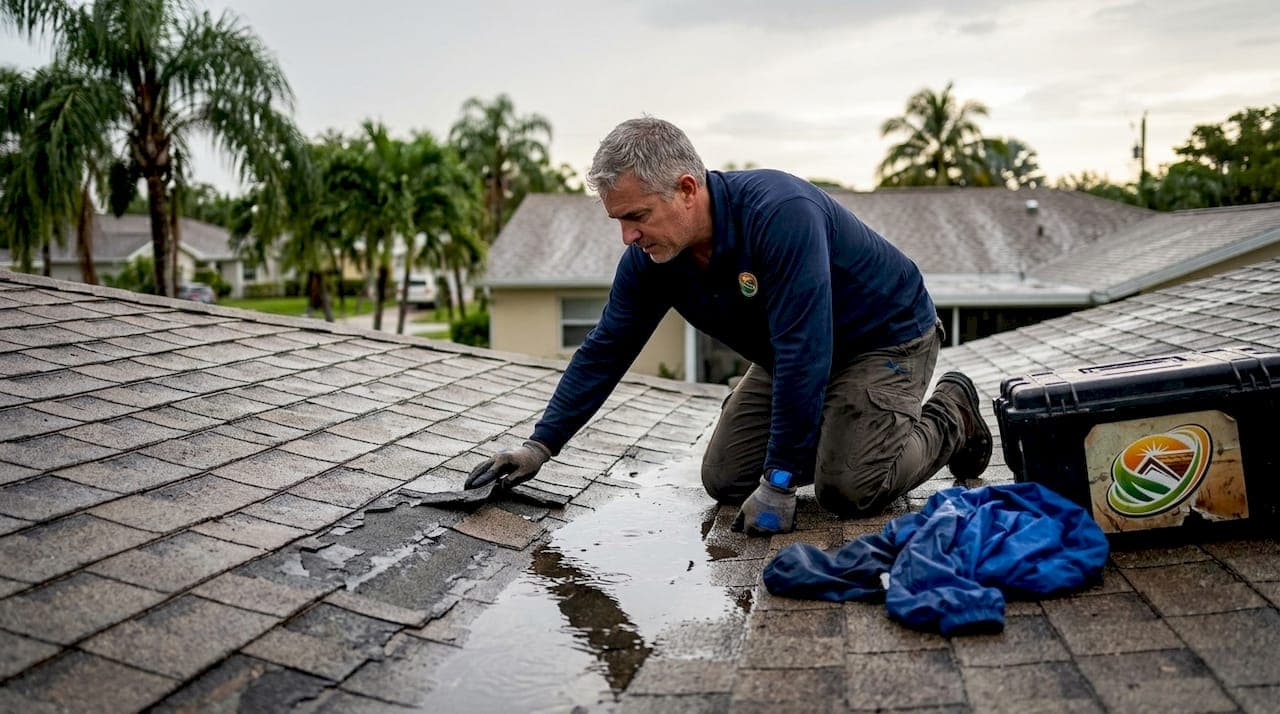
- Florida's harsh climate accelerates shingle damage from wind, salt, heat, and rain, regardless of age.
Most homeowners assume their shingle roof is failing simply because it's old. In South Florida, that assumption can cost you thousands. The truth is, Florida's intense heat, relentless rainfall, salty coastal air, and hurricane-force winds attack your shingles in ways that have nothing to do with age alone. Understanding what's really driving the damage is the first step toward protecting your home and your wallet. This guide breaks down the real causes of shingle damage, the warning signs to watch for, and the smarter prevention steps that can help you avoid a full roof replacement.
Table of Contents
- Understanding the top causes of shingle damage
- How Florida's weather accelerates shingle roof failure
- Leaks, pooling, and the hidden threat of poor drainage
- The crucial role of proper installation and maintenance
- Why most homeowners underestimate shingle damage and how to get ahead
- Restore your roof confidence with shingle renewal experts
- Frequently asked questions
Key Takeaways
| Point | Details |
|---|---|
| Drainage matters most | Poor drainage causes undetected leaks and accelerates shingle decay, especially in Florida storms. |
| Fast fixes prevent big costs | Addressing small problems early and scheduling regular inspections helps you avoid major repairs. |
| Weather and installation count | Extreme weather and installation errors are the two biggest contributors to shingle roof failures. |
| Restoration saves money | Renewal is often more affordable and extends roof life when compared to full replacement. |
Understanding the top causes of shingle damage
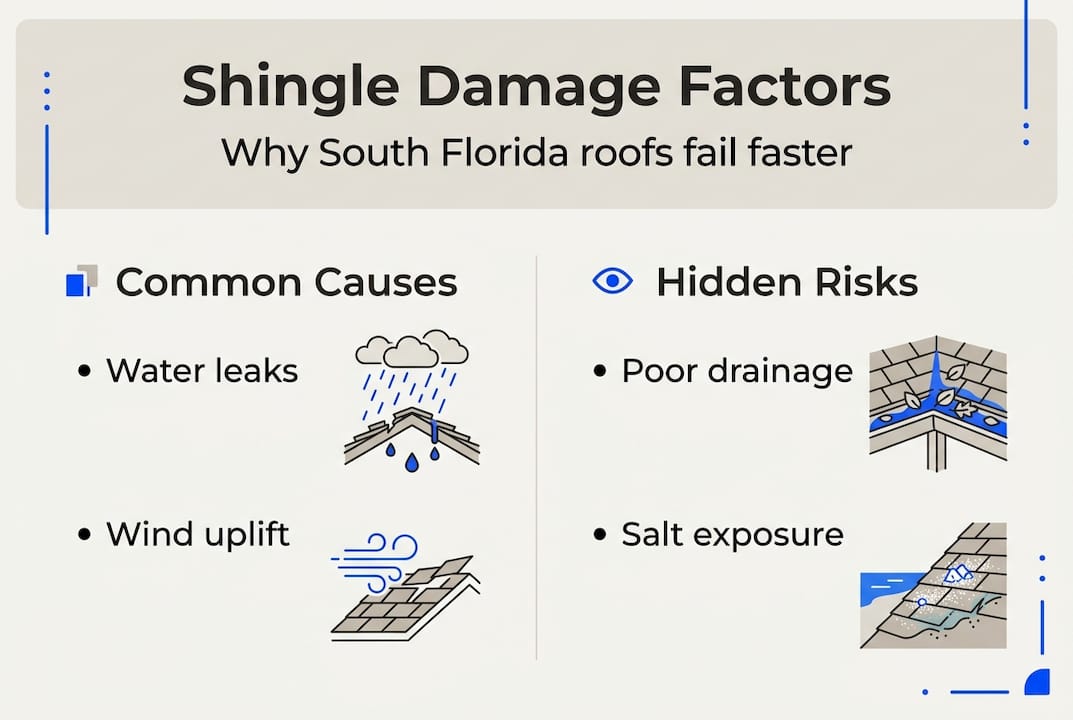
Shingle damage rarely comes from one source. In South Florida, it's usually a combination of factors working together to break down your roof faster than the manufacturer ever intended.
The four biggest culprits are:
- Water intrusion from heavy rain and blocked drainage
- Wind uplift during storms and hurricanes
- Poor installation including incorrect nailing and failed sealant
- Sun and heat exposure that dries out and cracks shingles over time
Florida's climate makes every one of these worse. High humidity keeps moisture trapped under shingles. Salty air from the coast corrodes granules and weakens the asphalt layer. And the Florida climate impacts on shingles are far more aggressive than what homeowners in northern states ever deal with.
Here's a quick look at how these causes compare:
| Cause | Common symptoms | Risk level |
|---|---|---|
| Water intrusion | Leaks, rot, staining | High |
| Wind uplift | Missing or lifted shingles | High |
| Poor installation | Gaps, nail pops, curling | Medium-High |
| UV and heat | Cracking, granule loss, brittleness | Medium |
| Salt air corrosion | Surface erosion, fading | Medium |
One factor that often surprises homeowners is how much installation quality matters. Sealant strength is critical for wind resistance, and improper nailing or skipped starter strips can leave your roof vulnerable long before a storm ever arrives.
Water damage is equally deceptive. Heavy rainfall and poor drainage lead to pooling, leaks, underlayment failure, and rot. The damage often starts at the edges and works inward silently.
More than 30% of residential roof leaks are traced directly to inadequate drainage and blocked gutters, not storm damage itself.
Knowing the shingle roof strengths and risks specific to Florida helps you make smarter decisions about maintenance and timing.
How Florida's weather accelerates shingle roof failure
South Florida doesn't just have bad weather occasionally. It has extreme weather regularly. That's a critical distinction.
Hurricane season runs from June through November. Daily afternoon thunderstorms are routine from spring through fall. UV index levels here are among the highest in the country. And if you live within a few miles of the coast, salt air is constantly working on your roof.
Here's what that means for your shingles in practical terms:
- Pooling water from heavy rain softens underlayment and promotes mold growth
- Wind-driven rain forces moisture under shingle edges, causing lifting and leaks
- UV cracking makes shingles brittle and prone to breaking during storms
- Salt air corrosion erodes the protective granule layer faster than in inland areas
- Repeated thermal cycling from hot days and cooler nights causes expansion and contraction that loosens seals
South Florida roofs average significantly more shingle repairs per decade than the national average, largely because of this combination of stressors hitting at the same time. Heavy rainfall and poor drainage alone can accelerate underlayment failure by years.
There are strong reasons to restore your roof rather than replace it when damage is caught early. But early detection requires consistent attention.
Pro Tip: Schedule a professional roof inspection in May before hurricane season and again in December after it ends. Catching small issues twice a year is far cheaper than emergency repairs after a major storm.
Leaks, pooling, and the hidden threat of poor drainage
With harsh weather, water gets everywhere. But it's often slow leaks and pooling that create the most expensive shingle failures. This is the damage that builds quietly over months before you ever notice a stain on your ceiling.
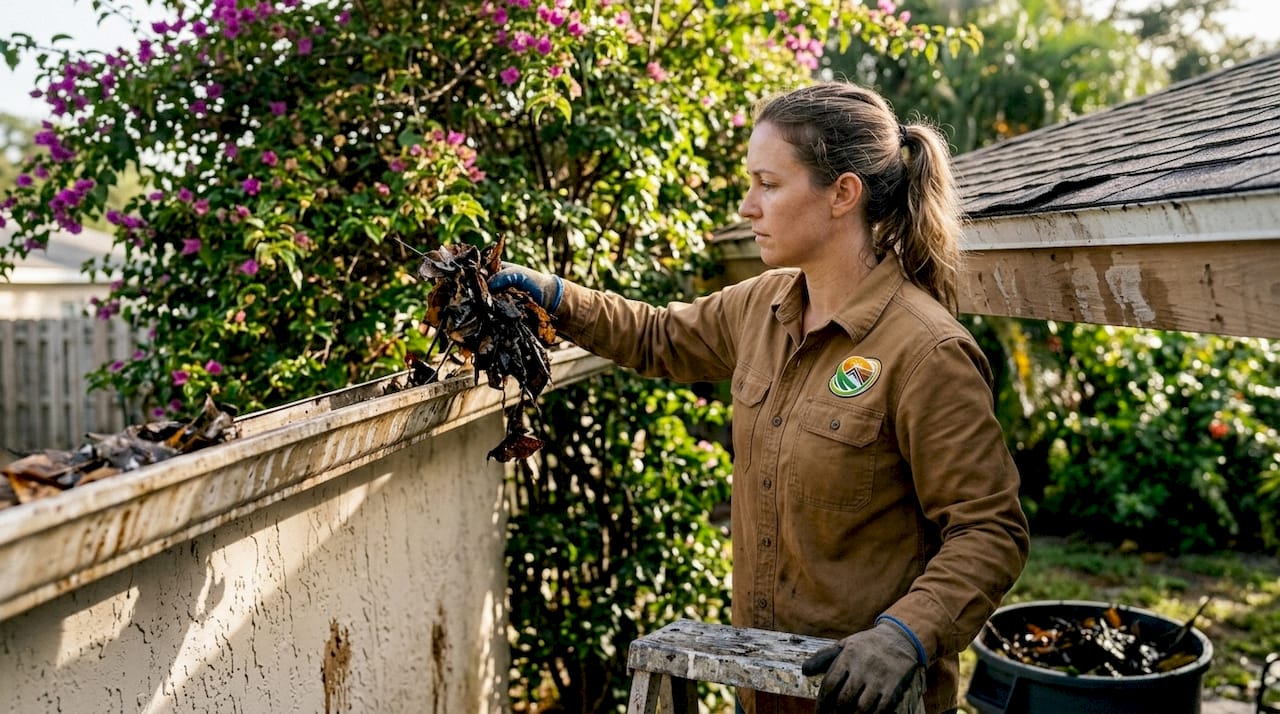
Clogged gutters are one of the most overlooked causes. When gutters back up, water has nowhere to go except under your shingles. Once moisture gets beneath the surface, it attacks the underlayment and the roof deck itself. Poor drainage leads to pooling, leaks, and rot that can compromise your entire roof structure.
Here's how the outcomes differ between neglected and maintained drainage systems:
| Factor | Neglected drainage | Maintained drainage |
|---|---|---|
| Water pooling | Frequent, prolonged | Minimal |
| Underlayment lifespan | Shortened by years | Preserved |
| Mold and rot risk | High | Low |
| Repair frequency | Every 2-3 years | Every 7-10 years |
| Long-term cost | Significantly higher | Manageable |
Knowing what to look for makes a real difference. Here's what to check during your own walkthrough:
- Visible interior leaks or water stains on ceilings and walls
- Roof edge discoloration or dark streaking along the fascia
- Moss or algae growth on shingle surfaces, especially in shaded areas
- Granule buildup in gutters or at the base of downspouts
- Sagging areas on the roof deck visible from the ground
Using the roof drainage checklist we've put together can help you stay organized during these walkthroughs.
Pro Tip: Install gutter guards and check your downspouts monthly during rainy season. A five-minute check can prevent thousands in water damage repairs.
The crucial role of proper installation and maintenance
Even the best shingles need more than good materials. They need proper installation and ongoing care. In Florida, where wind loads and storm intensity are higher than most of the country, installation quality is not optional.
Florida building codes specify exact techniques for nailing patterns, sealant application, and underlayment installation. When contractors cut corners, the consequences show up fast. Proper nailing and sealant application are essential for preventing wind uplift, and skipping these steps creates vulnerabilities that no amount of maintenance can fully fix later.
Common installation errors we see on South Florida roofs include:
- Overdriven nails that cut through the shingle mat and reduce holding power
- Underdriven nails that leave shingles loose and prone to lifting
- Improper overlaps that leave gaps for wind-driven rain to enter
- Skipped starter shingles along the eaves, removing a critical layer of protection
- Wrong sealant type that fails in high heat or becomes brittle over time
Routine maintenance fills the gap between installation and eventual replacement. Regular inspections catch nail pops, cracked caulk, and minor lifting before they turn into leaks. Small repairs done promptly cost a fraction of what they cost after a storm exposes the weakness.
According to IBHS research, sealant failure is one of the leading contributors to shingle blow-off during high-wind events, even on roofs that otherwise meet code requirements.
Reviewing shingle installation best practices can help you ask the right questions when hiring a contractor or evaluating your current roof's condition.
Why most homeowners underestimate shingle damage and how to get ahead
We've worked with hundreds of South Florida homeowners, and the pattern is consistent. By the time someone calls us, the damage has usually been building for a year or more. A small leak gets patched. A few lifted shingles get nailed back down. And the underlying cause, whether it's drainage failure, installation error, or UV degradation, keeps doing its work.
Superficial fixes rarely solve hidden problems. That's the uncomfortable truth. Patching a leak without addressing why water is pooling there in the first place just delays the next repair.
Florida homeowners face a compounding risk. Minor curling or edge lifting that might be a five-year problem in a cooler climate can become a one-year emergency here. The local climate know-how required to assess that risk correctly is something most national roofing guides simply don't account for.
The best investment you can make in your roof right now is prevention. Regular inspections and targeted repairs save thousands compared to emergency replacements. Document every repair you make, no matter how minor. Small issues seen in context reveal bigger patterns before they become structural problems.
Restore your roof confidence with shingle renewal experts
If your shingle roof is showing signs of wear, you don't have to jump straight to a full replacement. Restoration is a proven, affordable alternative for roofs with sound structure and early-stage damage.
At Shingle Roof Renewal, we specialize in finding and fixing the root causes of shingle damage before they spread. Our certified team uses Fresh Roof's GreenSoy Technology to restore shingle flexibility at the molecular level, extending roof life by 10 to 15 years and backed by a 6-year transferable warranty. We serve Palm Beach and Broward counties with local expertise you can count on. Explore our full services overview or connect with our Boca Raton shingle renewal team to schedule your assessment today.
Frequently asked questions
What is the most common cause of shingle damage in South Florida?
Severe weather and poor drainage are the main causes, as heavy rainfall and poor drainage force water under shingle edges, leading to leaks and rot that spread quickly in Florida's humid climate.
How can I tell if my shingle roof is damaged?
Look for curling edges, missing shingles, water stains on interior ceilings, or granule buildup in your gutters. These are early warning signs that your roof needs attention before damage worsens.
Can poor installation really cause my roof to fail?
Yes. Improper nailing and sealant failure make shingles vulnerable to wind uplift and leaks, and these weaknesses often go undetected until the first major storm hits.
Is it better to restore or replace a shingle roof with damage?
Restoration is often the smarter, more affordable choice when the roof structure is sound and problems are identified early, saving you the cost and disruption of a full replacement.
How often should I inspect my shingle roof in Florida?
Inspect your roof at least twice a year and after every major storm. In South Florida's climate, consistent monitoring is the most effective way to prevent small issues from becoming expensive repairs.