
TL;DR:
- Homeowners in South Florida need roof education to avoid costly early replacements caused by climate-related damage. Proper inspection, maintenance, and understanding of roofing systems extend roof lifespan, protect warranties, and improve repair decisions. Documenting damage and proactive care are vital for insurance claims and cost savings in hurricane-prone areas.
Homeowner roof education is the essential foundation for extending the lifespan and maintaining the integrity of asphalt shingle roofs in South Florida. Without it, most homeowners spend $15,000 to $30,000 on full replacements that could have been avoided with earlier, informed action. Your roof faces UV radiation, hurricane-force winds, salt air, and year-round humidity that no other region in the continental United States combines at the same intensity. Understanding what that means for your asphalt shingles, your ventilation system, and your inspection schedule is not optional. It is the difference between a roof that lasts and one that fails before its time.
Why homeowner roof education matters in South Florida
South Florida's climate is the single greatest threat to asphalt shingle roofs in the region. UV radiation, high humidity, salt air from the Atlantic and Gulf coasts, and annual hurricane exposure create a compounding aging effect that no shingle manufacturer fully accounts for in their warranty language. 3-tab shingles last 15 to 20 years in South Florida, and architectural shingles typically reach 15 to 25 years, both well short of the 30-year warranty period printed on the packaging. That gap between warranty promise and real-world performance is where uninformed homeowners lose the most money.
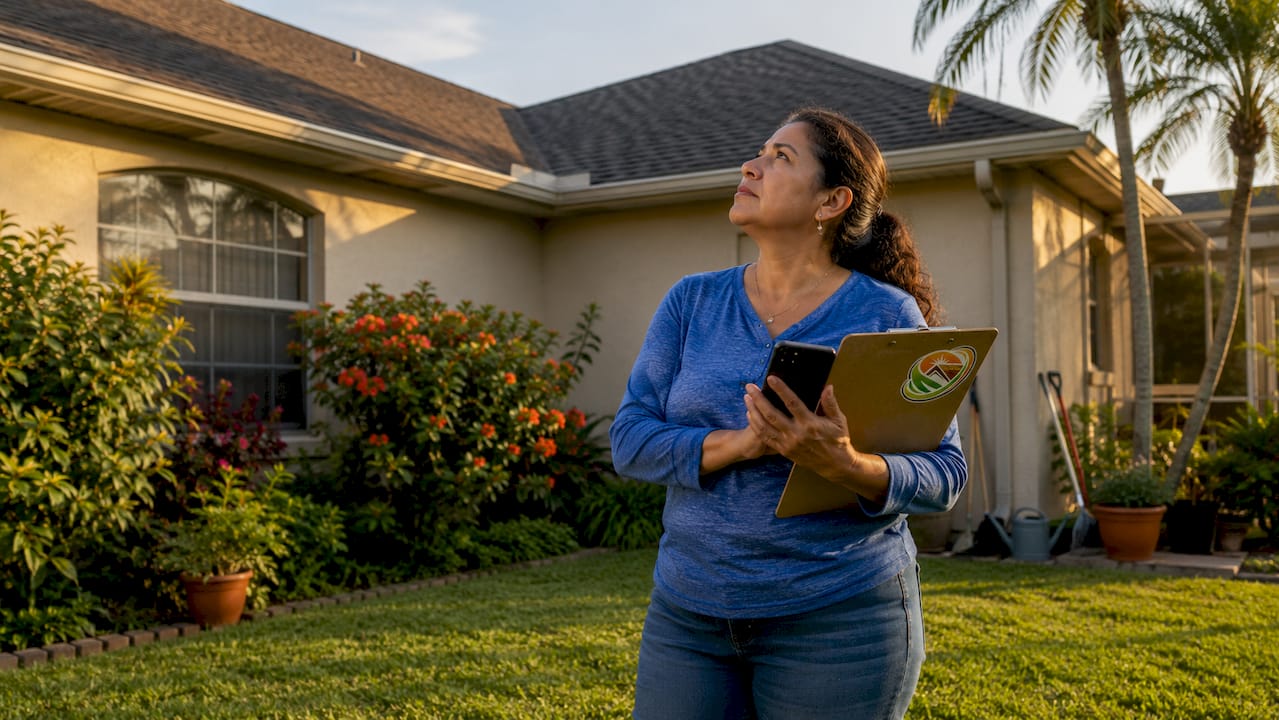
The core problem is a widespread misunderstanding of what a warranty actually covers. 30-year shingle warranties represent a coverage period, not a guaranteed service life. They require professional installation, documented maintenance, and specific conditions to remain valid. In Broward and Palm Beach County, those conditions are harder to meet because the climate works against you every single day.
Here is what accelerates shingle aging in South Florida specifically:
- UV radiation breaks down the asphalt binder in shingles, causing brittleness and cracking
- High humidity promotes algae and moss growth that lifts granules and traps moisture
- Salt air corrodes metal components including flashing, fasteners, and gutters
- Hurricane-force winds stress the entire roof deck assembly, not just surface shingles
- Thermal cycling from extreme daily heat fluctuations causes shingles to expand and contract repeatedly
Educated homeowners understand these stressors and plan maintenance around them. They do not wait for a leak to call someone. They track weather damage patterns and schedule inspections before problems compound.
Pro Tip: If your roof is more than 10 years old and you have never had a professional inspection, schedule one before hurricane season opens in June. You may catch issues that are still repairable rather than replaceable.
What are the inspection practices every homeowner should follow?
Biannual professional roof inspections increase average roof lifespan from 13 years under a reactive approach to 21 years under a proactive one. That is an eight-year difference, which translates directly into thousands of dollars saved. In South Florida, the recommended inspection windows are spring (April through May), late fall (November through December), and immediately after any severe weather event.
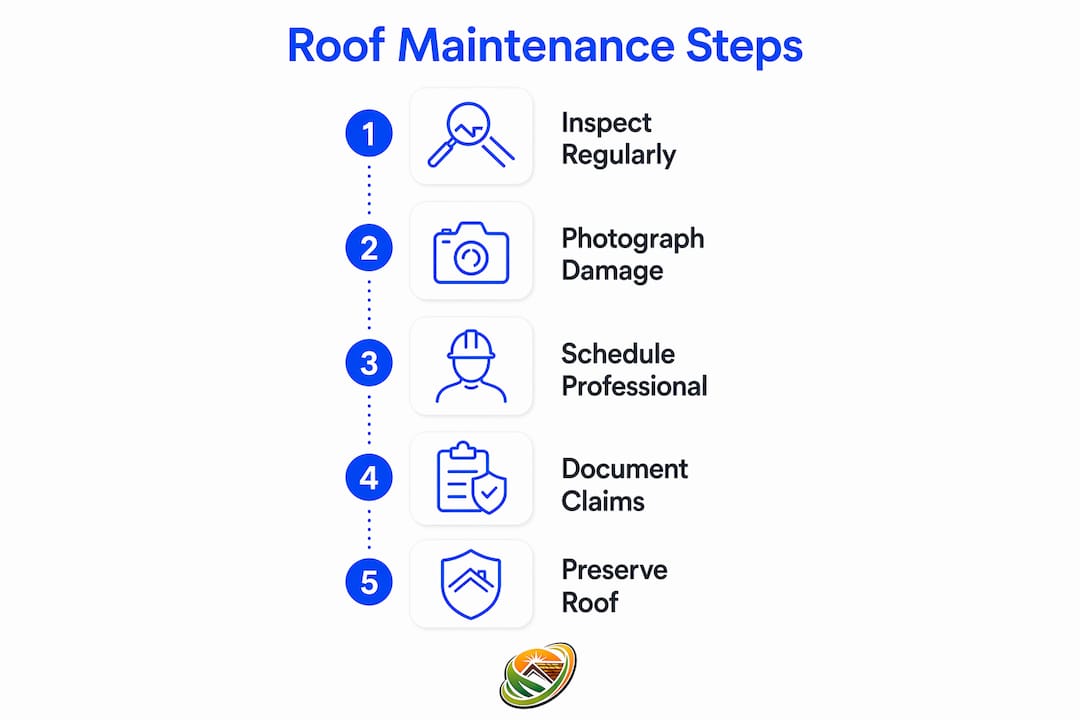
Here is a practical inspection sequence to follow each year:
- Schedule a spring inspection before hurricane season begins. A certified inspector will assess shingle condition, flashing integrity, and drainage performance.
- Check gutters for granule deposits after heavy rain. Granule loss in gutters signals accelerated shingle aging and UV exposure to the underlying mat.
- Inspect the attic after storms for daylight penetration, water stains, or damp insulation. These signs often appear before any visible exterior damage.
- Walk the perimeter of your home and look at roof edges, valleys, and areas around vents or skylights. These are the highest-failure zones on any asphalt shingle roof.
- Schedule a fall inspection in November or December to document condition before winter rain events and to prepare any insurance or warranty documentation.
- Request a written report from every certified inspection. This creates a maintenance record that supports warranty claims and insurance renewals.
Certified roof inspections provide impartial documentation necessary for maintaining warranties, negotiating insurance, and confirming roof system safety. Without that paper trail, warranty claims are routinely denied. The inspection report is not just a formality. It is your financial protection.
Pro Tip: Use your phone to photograph your roof from ground level before and after every storm. Date-stamp the images. This simple habit takes five minutes and can save you from a disputed insurance claim.
How does understanding your roof as a system improve your decisions?
Most homeowners think about their roof as shingles. That is the wrong frame. A complete roofing system includes the deck, underlayment, flashing, ventilation, and drainage working together. When one component fails, the others absorb the stress. Surface wear on shingles is often the last sign of a problem, not the first.
The table below shows how each component contributes to roof performance and what failure looks like:
| Roof component | Function | Common failure sign |
|---|---|---|
| Deck (plywood or OSB) | Structural base for all other layers | Soft spots, sagging, or bounce underfoot |
| Underlayment | Secondary moisture barrier | Water stains in attic without visible shingle damage |
| Flashing | Seals joints at walls, vents, and valleys | Rust streaks, lifted edges, or interior leaks near penetrations |
| Ventilation | Regulates attic temperature and moisture | Premature shingle aging, high cooling bills, or mold in attic |
| Drainage (gutters and slope) | Moves water off and away from the roof | Pooling water, fascia rot, or foundation moisture |
Poor attic ventilation alone can shorten asphalt shingle life by 20 to 23% in hot climates by pushing attic temperatures to 140 to 160 degrees Fahrenheit. In South Florida, where summer attic temperatures already run extreme, this is not a minor issue. Fixing ventilation before replacing shingles is one of the most cost-effective moves a homeowner can make.
Homeowners who understand roofing as a system make better repair decisions. They fix the flashing instead of replacing the whole roof. They correct ventilation instead of blaming shingle quality. This systems-level thinking is the practical payoff of genuine homeowner roofing knowledge.
Pro Tip: Ask any roofing professional to explain what caused the damage, not just what needs to be replaced. If they cannot answer that question clearly, get a second opinion.
What should homeowners do before, during, and after hurricane season?
Hurricane preparedness is not just about boarding windows. Your roof is the first line of defense, and the steps you take before, during, and after a storm directly affect whether you pay for a repair or a full replacement.
Before hurricane season (May through June):
- Clear gutters and downspouts of debris to prevent water backup under shingles
- Trim overhanging branches within 10 feet of the roofline
- Reseal any exposed vents, pipe boots, or skylight edges showing wear
- Complete a professional inspection and get a written condition report
- Review your homeowner's insurance policy for roof coverage limits and exclusions
After a storm, date-stamped photos and timely insurance claims filed within 48 to 72 hours help homeowners avoid unnecessary full roof replacements and support appropriate targeted repairs. This matters because insurers distinguish between storm damage and pre-existing wear. If you cannot prove when damage occurred, the claim may be denied or reduced.
One regulatory development worth knowing: the 9th Edition Florida Building Code, effective in late 2026, relaxes the previous "25% Rule," which previously required full roof replacement when more than 25% of the surface was damaged. The updated code allows for more partial recoveries, which means educated homeowners who document damage carefully can now save significantly more on storm-related repairs.
Use the roof damage assessment workflow developed specifically for Florida homeowners to organize your post-storm documentation before contacting your insurer.
How does roof education protect your warranty and insurance coverage?
Warranties and insurance policies both reward homeowners who maintain documented records. Most homeowners do not realize their warranty can be voided by a single unauthorized repair or a missed maintenance requirement. Proactive inspections and documentation help homeowners align with warranty terms and avoid claim denials, especially in hurricane-prone areas.
Here is how to protect both your warranty and your insurance position:
- Keep all installation records. Manufacturer warranties require proof of professional installation. Store the contractor's license number, permit, and material receipts.
- Schedule certified inspections on a documented cycle. Many warranties require inspections every one to two years. Use a certified inspector recognized by the National Roofing Contractors Association (NRCA) or similar body.
- Never authorize repairs without checking warranty terms first. Unauthorized repairs by unlicensed contractors void most manufacturer warranties immediately.
- Time your inspection with your insurance renewal. A clean inspection report submitted before renewal can support favorable underwriting and prevent non-renewal in high-risk zip codes.
- Request inspection reports in writing and store them digitally. Cloud storage with date stamps creates an audit trail that holds up in both warranty disputes and insurance claims.
Insurance carriers in Broward and Palm Beach County have tightened underwriting standards significantly. A roof without documented maintenance history is increasingly treated as a liability. Homeowners who can demonstrate consistent care through certified inspection reports are in a far stronger negotiating position at renewal time.
Key takeaways
Homeowner roof education is the most cost-effective tool South Florida homeowners have to extend asphalt shingle roof life, protect warranties, and avoid premature replacement.
| Point | Details |
|---|---|
| Climate shortens real roof life | South Florida's UV, humidity, and hurricanes cut shingle lifespan well below warranty periods. |
| Inspections double roof lifespan | Proactive biannual inspections extend average roof life from 13 to 21 years. |
| Roofs are systems, not just shingles | Ventilation, flashing, and drainage failures often cause damage before shingles show wear. |
| Documentation protects your money | Date-stamped photos and certified reports support warranty claims and insurance negotiations. |
| Code changes create savings opportunities | The 2026 Florida Building Code update allows partial repairs where full replacement was previously required. |
Why I stopped trusting sales-first roof estimates
by Daniellison
After years of working with South Florida homeowners, the pattern I see most often is this: a homeowner gets a free estimate from a roofer, hears the word "replacement," and writes a check for $20,000 without ever getting a second opinion or an independent inspection. The roofer is not always wrong. But the homeowner is almost always underprepared.
The shift that changes outcomes is simple. Get an inspection before you get an estimate. An independent, certified inspector has no financial stake in whether you replace or repair. Their report tells you what is actually happening with your roof, not what generates the largest job ticket.
I have seen ventilation corrections extend a roof by five to seven years. I have seen flashing repairs eliminate leaks that two contractors had quoted as full replacements. The difference in every case was a homeowner who understood enough to ask the right questions. Roofing knowledge is not about becoming an expert. It is about knowing enough to slow down, get documentation, and make a decision based on evidence rather than urgency.
South Florida homeowners face real pressure from storms, insurance carriers, and aging roofs. That pressure is real. But it should not push you into a $25,000 decision without a clear picture of what your roof actually needs. Education is what gives you that picture.
— Daniellison
Is your South Florida roof a candidate for preservation?
If your asphalt shingle roof is showing early signs of aging but has not yet failed, you may not need a full replacement. Shingleroofrenewal specializes in roof preservation and preventative maintenance for homeowners in Broward and Palm Beach County who want to extend their roof's life before spending $15,000 to $30,000 on a tear-off.
As a certified applicator of Fresh Roof's Green Soy Technology, Shingleroofrenewal restores shingle flexibility, locks in granules, and slows deterioration at the molecular level. Qualifying roofs can save up to 80% compared to full replacement, backed by a 6-year transferable warranty. The process starts with a free inspection to determine whether your roof qualifies. Visit Shingleroofrenewal to schedule your assessment today and find out if your roof can be saved before it is too late.
FAQ
How long do asphalt shingles last in South Florida?
3-tab shingles typically last 15 to 20 years in South Florida, and architectural shingles last 15 to 25 years, both shorter than their stated warranty periods due to UV exposure, humidity, and hurricane stress.
How often should I have my roof inspected in Florida?
Professional inspections twice yearly in spring and late fall, plus after any severe weather event, give South Florida homeowners the best chance of catching damage early and avoiding costly emergency repairs.
What does granule loss in my gutters mean?
Granule deposits in gutters signal that your shingles are aging and losing their UV protection layer. Heavy or repeated granule shedding means the underlying asphalt mat is now exposed and deteriorating faster.
Can poor attic ventilation really damage my shingles?
Yes. Inadequate ventilation raises attic temperatures to 140 to 160 degrees Fahrenheit, which shortens shingle life by 20 to 23% in hot climates like South Florida. Correcting ventilation is one of the most cost-effective ways to extend roof life.
Does the 2026 Florida Building Code change affect roof repair costs?
The 9th Edition Florida Building Code effective in late 2026 relaxes the previous rule requiring full replacement when more than 25% of a roof is damaged. This allows more partial repairs, which can significantly reduce out-of-pocket costs for homeowners with documented storm damage.