
TL;DR:
- South Florida homeowners can significantly extend their asphalt shingle roofs' lifespan and reduce energy costs through affordable sustainability upgrades like reflective coatings and proper maintenance. Prioritizing durability, energy performance, and end-of-life planning enables smarter, environmentally responsible roofing decisions that avoid unnecessary full replacements. Early inspections and timely repairs help preserve existing roofs, minimize landfill waste, and achieve long-term savings in both costs and environmental impact.
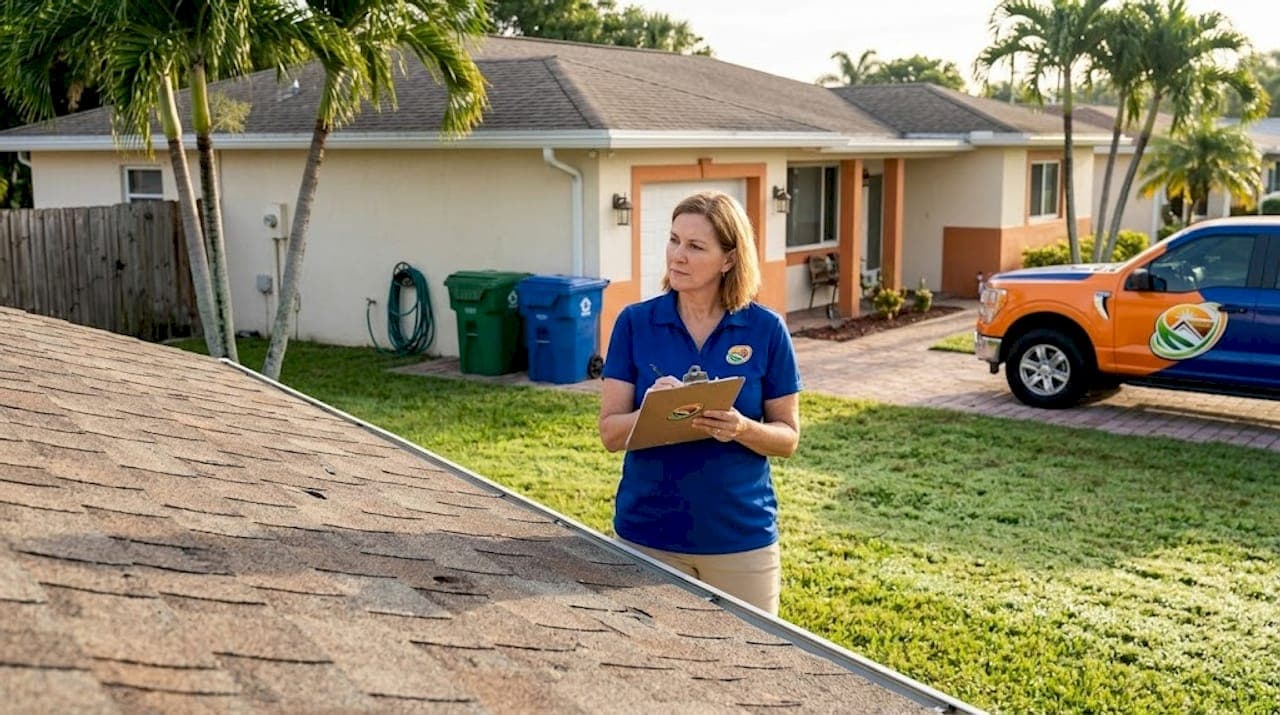
Your aging asphalt shingle roof may be costing you more than you think. Between higher energy bills, creeping repairs, and the looming threat of a full replacement, an old roof in South Florida's brutal heat is a quiet drain on your budget. But here's what most homeowners never hear: sustainable roofing doesn't have to mean spending $15,000 to $30,000 on a brand-new roof. In fact, some of the most effective sustainability upgrades cost a fraction of that. This guide breaks down exactly what roofing sustainability means, why it matters so much in our climate, and which affordable steps actually move the needle for South Florida homeowners with aging shingle roofs.
Table of Contents
- Why roofing sustainability matters for South Florida homeowners
- Core principles of roofing sustainability explained
- Affordable steps to boost sustainability and extend your roof's life
- Making sense of sustainable roof options: A simple comparison
- What most South Florida homeowners miss about roof sustainability
- Discover affordable roof renewal that puts sustainability first
- Frequently asked questions
Key Takeaways
| Point | Details |
|---|---|
| Sustainability saves twice | Making your roof more sustainable cuts both replacement costs and energy bills. |
| Small steps add up | Minor repairs and coatings quickly boost both roof life and eco-friendliness. |
| Plan for recycling | Consider recyclability and end-of-life impact of repair choices now, not just at replacement. |
| Most roofs don’t need replacing | Restoration and renewal often offer better value and sustainability than full replacement. |
Why roofing sustainability matters for South Florida homeowners
If you own a home in Broward or Palm Beach County, your roof works harder than almost any other roof in the country. Intense UV exposure, high humidity, afternoon thunderstorms, and heat that rarely lets up combine to age asphalt shingles faster than in most other regions. What might last 25 years up north can show serious wear in 12 to 15 years here.
Most homeowners focus on the upfront cost of roofing and ignore the hidden costs that pile up silently. An aging shingle roof that's losing granules or developing micro-cracks lets in more heat. That extra heat means your air conditioner runs longer and harder, pushing energy bills up every single month. It also accelerates the internal deterioration of the shingles themselves, shortening the roof's remaining life even further.
Understanding Florida climate impacts shingle roofs is the first step toward making smarter roofing decisions. The more you know about what's actually happening to your shingles, the easier it becomes to spot when timely action can save you thousands.
Here's what a sustainable shingle roof actually delivers for South Florida homeowners:
- Lower monthly energy bills from reduced heat gain through the roof deck
- Extended shingle lifespan, delaying or eliminating costly replacement
- Fewer emergency repairs caused by deterioration that goes unchecked
- Reduced environmental impact by keeping old shingles out of landfills
- Better indoor comfort, especially in upstairs rooms that absorb the most heat
The U.S. Department of Energy confirms that cool-roof systems reduce heat gain by reflecting more sunlight and emitting thermal radiation, lowering energy demand and roof temperatures. That's not just good for the environment. It's good for your wallet every month your roof stays on the house.
"A sustainable roof isn't just one that's new. It's one that keeps performing well, costs less to maintain, and doesn't end up in a landfill before its time." That mindset shift changes everything about how you approach roof care.
Core principles of roofing sustainability explained
Understanding the stakes, here's what "roofing sustainability" actually means for your South Florida home. It's not a buzzword. It's a practical framework built on three real pillars that every homeowner with an aging shingle roof should understand.
1. Durability comes first
The single biggest sustainability win for any roof is simply making it last longer. Every year you extend your roof's life is a year you avoid manufacturing, shipping, and installing new materials. It also means less old roofing material going to the landfill. Regular inspections, prompt minor repairs, and treatments that restore shingle flexibility all fall under this principle.
2. Energy performance matters every month
A roof that reflects heat instead of absorbing it reduces your home's cooling load. Reflective coatings and materials dramatically cut the amount of heat transferred into your living space. This isn't a small difference. A well-maintained, reflective shingle roof can meaningfully reduce your air conditioning costs in a South Florida summer, which runs well over half the year.
3. End-of-life planning is often overlooked
Most homeowners never think about what happens to old shingles when a roof is torn off. But roof recycling should start during specification and planning, not just at the moment of replacement. Choosing materials or restoration options with recycling in mind reduces the environmental footprint of your roof over its entire life.
To support all three of these principles, use a solid roof longevity checklist as your guide for ongoing maintenance.
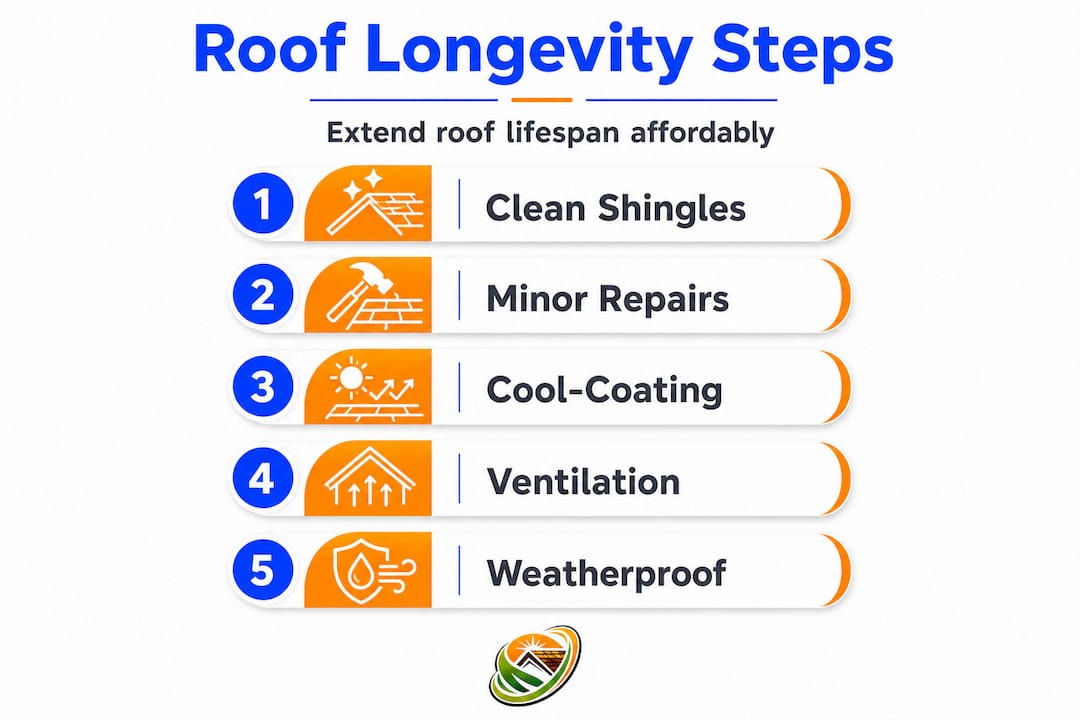
Pro Tip: You don't have to tackle all three pillars at once. Even addressing one, like adding a reflective coating or scheduling an inspection and minor repair, creates a compounding effect. Better durability leads to better energy performance, which delays replacement and reduces landfill impact.
Affordable steps to boost sustainability and extend your roof's life
Now that you know the principles, here are the most effective, proven actions homeowners can take right now. None of these require a full replacement. All of them deliver real, measurable results.
Routine cleaning and minor repairs
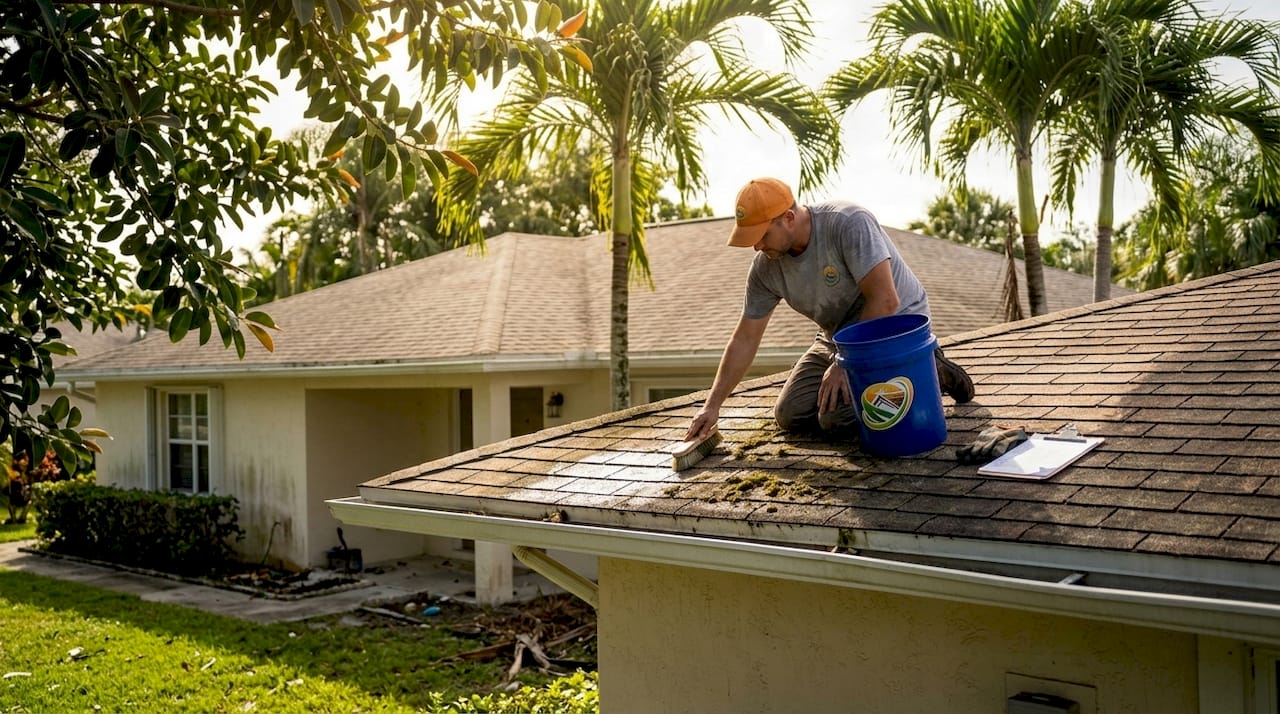
Moss, algae, and debris trap moisture against your shingles. That moisture speeds up granule loss and weakens the shingle's base material. A simple cleaning followed by targeted repairs on cracked or curling shingles can add years to your roof's usable life. This is the least expensive intervention and often the most overlooked.
Apply a cool-roof coating
This is one of the highest-impact moves you can make. Cool roofs stay more than 50°F cooler than conventional roofs under the same sunny conditions. In South Florida, where summer roof surface temperatures can exceed 160°F, that difference is enormous. A cooler roof surface means less heat stress on the shingles, slower aging, and a significantly lower energy bill.
Improve attic ventilation and insulation
Poor attic airflow traps heat directly beneath your roof deck, cooking the shingles from below while the sun heats them from above. Adding or improving attic ventilation is a relatively low-cost upgrade that protects both your shingles and your indoor comfort. Insulation improvements work hand in hand with this, keeping conditioned air inside and reducing the thermal load your shingles must absorb.
Invest in quality weatherproofing
South Florida storms are intense. Wind-driven rain finds its way through even small gaps around flashing, vents, and ridge caps. Proper affordable weatherproofing solutions seal these entry points before they become water damage problems. This step alone prevents the kind of deterioration that turns a repairable roof into a full replacement.
Here's a quick comparison of the most common sustainability-focused roof interventions and what you can expect from each:
| Action | Avg. cost range | Sustainability benefit | Roof life impact |
|---|---|---|---|
| Cleaning and minor repairs | $200 to $600 | Removes moisture-trapping debris | Adds 1 to 3 years |
| Cool-roof coating | $500 to $1,500 | Reduces heat gain significantly | Adds 2 to 5 years |
| Attic ventilation upgrade | $300 to $1,000 | Lowers deck temperatures | Adds 2 to 4 years |
| Weatherproofing and sealing | $200 to $800 | Prevents water intrusion | Adds 2 to 5 years |
| Full shingle renewal (GreenSoy) | Fraction of replacement cost | Restores flexibility and performance | Adds 10 to 15 years |
Pro Tip: Combine at least two of these steps in a single season. Pairing a cool-roof coating with improved attic ventilation creates a compounding effect that's greater than either step alone. You reduce heat from above and below simultaneously, and your shingles age far more slowly as a result.
For a broader look at how these options add up over time, explore cost-effective shingle roof life extension strategies that have worked for South Florida homeowners in real-world conditions.
Making sense of sustainable roof options: A simple comparison
With options on the table, here's how the most common roof sustainability solutions stack up in real life. Understanding how repair, restoration, coating, and full replacement compare helps you make a decision that fits both your budget and your goals.
| Option | Upfront cost | Expected added life | Energy savings | Landfill impact |
|---|---|---|---|---|
| Minor repairs only | Low ($200 to $600) | 1 to 3 years | Minimal | None |
| Cool-roof coating | Low to moderate ($500 to $1,500) | 2 to 5 years | High | None |
| Full shingle renewal | Moderate (fraction of replacement) | 10 to 15 years | High | None |
| Full roof replacement | High ($15,000 to $30,000+) | 20 to 25 years | Varies | High (old roof to landfill) |
The numbers tell a clear story. Full replacement delivers the longest theoretical lifespan, but it also generates significant landfill waste from the torn-off roof, requires the highest upfront investment, and isn't necessary in many cases where the existing roof can still be restored.
The EPA recognizes cool roofs as a way to reduce peak cooling demand in air-conditioned buildings, which is exactly the situation of most South Florida homes running their AC for ten or more months a year. When you combine a quality restoration with a reflective treatment, you get close to replacement-level performance at a fraction of the cost and with zero landfill impact.
Key takeaways from this comparison:
- Restoration outperforms repair when shingles show widespread dryness or brittleness
- Coating alone is not enough if the underlying shingles have already lost flexibility
- Replacement is rarely the only option for a roof that hasn't yet failed completely
- Total cost over ten years almost always favors restoration over early replacement
Explore the full case for why reasons to restore your roof often make more financial and environmental sense before you commit to a replacement. And if you're trying to understand what different options actually cost over time in Florida specifically, the breakdown on roof cost-saving in Florida makes it concrete and easy to follow.
What most South Florida homeowners miss about roof sustainability
We've covered the evidence. Now here's a perspective grounded in real experience working on South Florida's roofs, and it's something the industry rarely says out loud.
Most homeowners believe that being "sustainable" with their roof means eventually replacing it with the newest, greenest product on the market. That belief is understandable. The roofing industry has done a good job marketing new materials as the responsible choice. But in practice, the most sustainable thing you can do for your roof is keep it working well for as long as possible.
We've seen roofs in Delray Beach, Boca Raton, and Pompano Beach that were weeks away from a full replacement quote when a thorough inspection revealed the shingles were still structurally sound but simply dried out and brittle from years of South Florida sun. Those roofs got renewed instead of replaced. The homeowners saved thousands. The old shingles stayed off the landfill. The energy performance improved. That's real sustainability.
The uncomfortable truth is this: a full replacement generates an enormous amount of waste and expense that most "green" marketing conveniently ignores. Tearing off an old roof sends hundreds of square feet of asphalt material to a landfill. The manufacturing of new shingles consumes energy and raw materials. None of that is offset by the fact that the new shingles have a recycled content label.
When you renew and save with shingle roofs that still have structural integrity, you're making the genuinely sustainable choice. You're also making the smarter financial choice. The two goals align more often than homeowners realize.
The roofs we see that age the best share one trait: their owners acted early. They didn't wait for visible leaks. They scheduled inspections, addressed small issues promptly, and treated their roof as a system worth maintaining rather than a component to be replaced on a fixed schedule.
Discover affordable roof renewal that puts sustainability first
If this article has helped you see your aging shingle roof differently, the next step is finding out where yours actually stands.
At Shingle Roof Renewal, we specialize in helping South Florida homeowners extend the life of their existing roofs using certified GreenSoy Technology, an advanced process that restores shingle flexibility at the molecular level. Our renewal services are designed specifically for the heat, humidity, and storm exposure that Broward and Palm Beach County roofs face every day. If you're a homeowner in the area, including roof renewal in Delray Beach and surrounding communities, we can assess whether your roof qualifies. If it does, you could save up to 80% compared to full replacement, backed by a 6-year transferable warranty. Schedule your free roof inspection today and find out if your roof can be saved.
Frequently asked questions
What is the most cost-effective way to improve my roof's sustainability in South Florida?
Applying a cool-roof coating combined with minor repairs delivers the highest sustainability and roof-life benefit for the lowest upfront investment, reducing heat gain and slowing shingle deterioration at the same time.
Can old asphalt shingles be recycled instead of sent to a landfill?
Yes, but successful recycling requires planning ahead. As research confirms, roof recycling outcomes depend on decisions made during specification and repair, not just at the moment of removal.
How much cooler can a reflective roof be compared to a traditional roof?
A reflective cool roof can be more than 50°F cooler than a conventional roof on a hot, sunny day, which dramatically reduces heat stress on both the shingles and your home's interior.
Do sustainable repairs really extend the life of my roof?
Absolutely. Energy-efficient roof treatments reduce the thermal stress that causes shingles to crack, curl, and lose granules prematurely, adding meaningful years of service life while cutting your monthly cooling costs.