Do not pressure wash asphalt shingles. The short answer is that mechanical high-pressure cleaning causes irreversible granule loss, forces water under shingle tabs, and can void your manufacturer warranty. The safe alternative is soft washing, a low-pressure chemical method where the cleaning solution does the work, not the water force.
If you're researching how to clean your roof, here's what to do right now:
- Avoid pressure washers entirely on asphalt shingles, regardless of the nozzle tip or distance setting.
- Consider soft washing as the manufacturer-approved, warranty-safe cleaning method.
- Schedule an inspection if a pressure washer has already been used on your roof. Damage may not be obvious from the ground.
Key Takeaways
Soft washing with a diluted sodium hypochlorite solution is the only manufacturer-approved method for cleaning asphalt shingles; pressure washing causes irreversible granule loss and can void your warranty.
| Point | Details |
|---|---|
| Never pressure wash shingles | PSI levels of 1,500–4,000 strip granules, lift tabs, and can void manufacturer warranties. |
| Soft wash is the safe method | Under 60 PSI at the surface with a 1.5%–3% sodium hypochlorite mix kills algae without damaging shingles. |
| Professional cleaning costs | Expect $300–$600 for an average roof, far less than a $15,000–$30,000 replacement. |
| Prevention reduces repeat cleaning | Trim trees, install zinc/copper strips, and schedule soft washes every 2–5 years depending on your climate. |
| Inspect before you clean | Brittle or granule-depleted shingles need a preservation assessment before any cleaning is attempted. |
Table of Contents
- What does pressure washing do to asphalt shingles?
- How does soft washing safely clean asphalt shingles?
- What do ARMA and major shingle makers say about cleaning methods?
- How to safely soft-wash your roof yourself
- When should you hire a professional instead of doing it yourself?
- What does professional soft washing cost, and how long do results last?
- How to tell if your roof was pressure washed in the past
- What can you do to prevent algae and moss from coming back?
- Why experts and industry bodies consistently favor low-pressure chemical cleaning
- Our perspective: prevention is always cheaper than replacement
- Sources
What does pressure washing do to asphalt shingles?
Asphalt shingles are coated with ceramic granules that protect the underlying mat from UV radiation, shed water, and give the roof its color. A standard consumer pressure washer operates between 1,500 and 4,000 PSI, which is far beyond what shingles can tolerate without shedding those granules. At close range, the spray acts like sandblasting, stripping the surface layer in seconds.
The damage goes deeper than cosmetics. High-pressure water drives under shingle laps and lifts tabs, creating gaps where rain can enter. Over time, that moisture reaches the deck and underlayment, setting up conditions for rot, mold, and interior water staining. A single aggressive cleaning session can accelerate years of aging in one afternoon.
The Asphalt Roofing Manufacturers Association (ARMA) explicitly warns that pressure washing and mechanical brushing are likely to damage asphalt roofing and should not be used to remove algae, moss, or stains.
Warranty consequences are just as serious. Manufacturers including GAF, Owens Corning, and CertainTeed tie warranty coverage to proper maintenance. Evidence of pressure washing can be grounds to deny a claim, leaving you responsible for a repair or replacement that could have been covered.
Signs your roof may have been pressure washed in the past:
- Granules collecting heavily in gutters or at downspout exits
- Bald or lighter-colored patches visible from the ground
- Visible stripe or wand patterns across shingle courses
- Lifted or curled tab edges
- Leaks or attic staining that appeared after a cleaning
How does soft washing safely clean asphalt shingles?
Soft washing is a low-pressure chemical cleaning method where a biocidal solution kills algae, moss, and mildew at the root level. The chemistry does the work, not water pressure. That distinction is what makes it safe for asphalt shingle roofs while pressure washing is not.
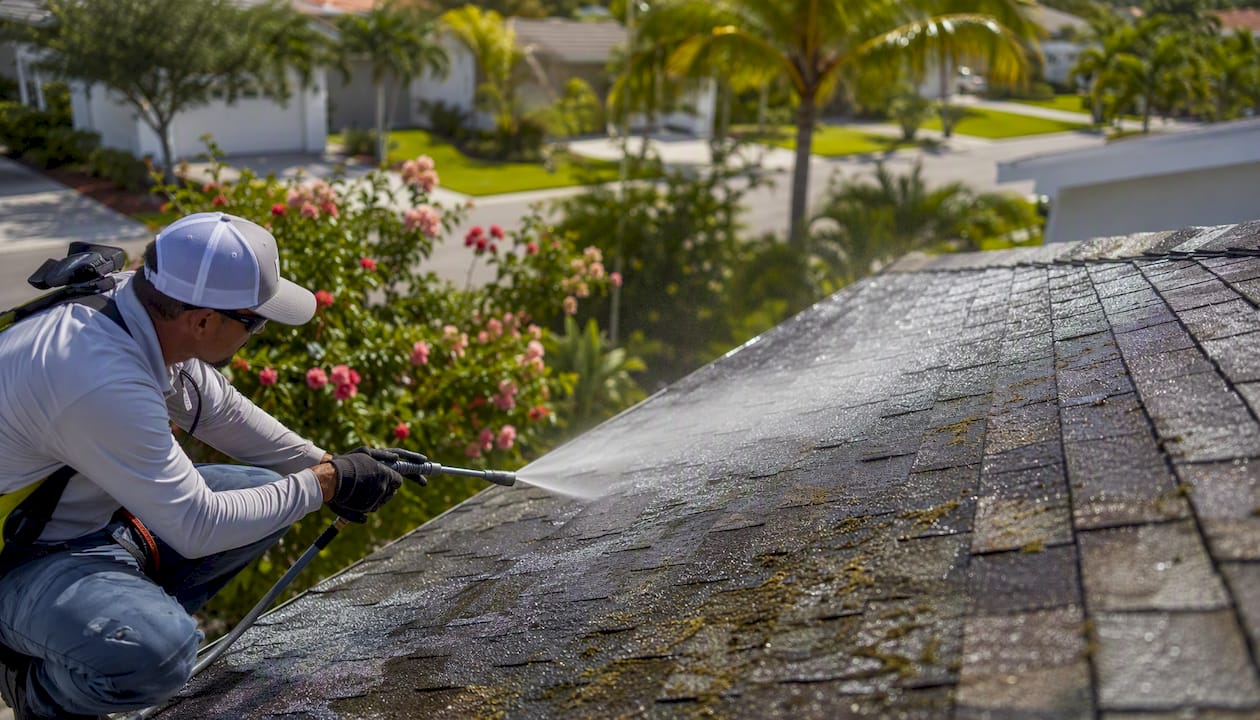
A true soft wash delivers solution at roughly garden-hose pressure, commonly described as under 60 PSI at the shingle surface. Standard professional mixes typically use diluted sodium hypochlorite (bleach) solutions combined with surfactants to improve adhesion and penetration on the roof surface. The solution is applied, allowed to dwell for a set period, and then either gently rinsed or left to let natural weathering remove the dead growth over the following weeks.
The organism most commonly responsible for black streaks on roofs is Gloeocapsa magma, a cyanobacteria that spreads via airborne spores. Soft washing kills it chemically rather than blasting it off mechanically, which means the shingle surface stays intact.
| Factor | Soft Wash | Pressure Wash |
|---|---|---|
| Mechanism | Chemical kill + low pressure | Mechanical force |
| Typical PSI at surface | Under 60 PSI | 1,500–4,000 PSI |
| Main risk | Chemical runoff if unmanaged | Granule loss, water intrusion |
| Warranty impact | Compatible with manufacturer guidance | Can void warranty |
What soft washing addresses:
- Black streaks from Gloeocapsa magma algae
- Green moss and lichen growth
- Mildew and surface discoloration
- Organic debris buildup in shingle valleys
What do ARMA and major shingle makers say about cleaning methods?
The industry position is consistent. ARMA recommends low-pressure chemical cleaning using a diluted sodium hypochlorite solution and dwell time as the proper method for removing algae and moss from asphalt shingles. Mechanical methods, including pressure washers and stiff brushes, are explicitly excluded.
GAF, Owens Corning, and CertainTeed each publish maintenance guidance that aligns with ARMA's position. All three caution against high-pressure cleaning and note that improper cleaning methods can affect warranty eligibility. The specific language varies by product line and warranty tier, but the direction is the same: use chemistry, not force.
If you're unsure about your warranty language, take three steps before any cleaning:
- Pull your shingle manufacturer's warranty document and read the maintenance section.
- Photograph your roof's current condition, including any existing granule loss or discoloration.
- Ask any contractor you hire to confirm their method and maximum PSI in writing before work begins.
How to safely soft-wash your roof yourself
DIY soft washing is possible on a single-story home with a low-pitch roof, but it carries real risks. Here's a conservative procedure that keeps you and your shingles safe.
- Inspect the roof first. Walk the perimeter and look for cracked, curled, or missing shingles. If you find significant granule loss or brittle shingles, stop and call a professional.
- Protect vegetation and drains. Wet down surrounding plants thoroughly before you start. Cover sensitive shrubs with plastic sheeting. Divert or block downspouts to prevent chemical runoff from reaching storm drains.
- Mix your solution. Follow the product manufacturer's guidance. A common starting point for professionals is 1.5%–3% sodium hypochlorite with a surfactant. Never exceed recommended concentrations.
- Apply with a low-pressure pump sprayer or garden-hose attachment. Never use a pressure washer wand, even on a low setting. Spray downward with the shingle laps, never upward against them.
- Allow dwell time. Let the solution sit for the time specified by your product. Dead algae and moss will begin to release from the surface.
- Rinse gently or let rain do it. A light garden-hose rinse is usually sufficient. Many professionals skip the rinse entirely and let weathering clear the dead growth over two to four weeks.
- Monitor over the following weeks. Check gutters for debris and look for any new discoloration or lifted tabs.
Do not:
- Use a pressure washer wand on shingles at any PSI setting
- Scrub or brush shingles, even with a soft brush
- Spray upward at an angle that drives water under shingle laps
Personal safety matters here. Sodium hypochlorite is caustic. Wear chemical-resistant gloves, safety goggles, and long sleeves. Never mix bleach with ammonia-based cleaners. Ladder falls are the most common injury in DIY roof work, so use a properly rated ladder with a standoff, and never work alone on a steep slope.
Pro Tip: If your shingles are more than 15 years old, visibly brittle, or already showing significant granule loss, skip the DIY route entirely. Aging shingles are more vulnerable to any cleaning process, and a professional assessment before cleaning can save you from accelerating damage that's already underway.
Runoff from sodium hypochlorite can harm aquatic life if it reaches storm drains. Check your local municipality's runoff rules before you start, and consider a neutralizing rinse if your property drains directly to a waterway.
When should you hire a professional instead of doing it yourself?
Some roofs are not good candidates for DIY cleaning, and the cost of getting it wrong is a premature replacement. Hire a professional when:
- Your roof pitch is steep enough that ladder work feels unsafe
- The biological growth covers a large portion of the roof or includes thick moss that needs physical removal
- Your shingles are older, brittle, or already showing granule loss
- Your warranty requires professional-grade cleaning documentation
- You have any doubt about the correct chemical concentration or application method
When you contact a contractor, ask specific questions before you book.
What to confirm in writing before work begins:
- Exact method: soft wash, not power wash
- Maximum PSI at the nozzle tip (should be well under 100 PSI at the surface)
- Chemical mix and concentration
- How they protect plants, gutters, and neighboring property
- Proof of liability insurance and references
- Before-and-after photos as part of the job record
- Written warranty on their work
Red flags to walk away from:
- Contractor cannot or will not state PSI and chemical concentration
- Promises of instant, "like new" results with no mention of dwell time
- Proposal includes scraping, brushing, or mechanical removal of moss
- Price is significantly below the market range for the stated method
What does professional soft washing cost, and how long do results last?
Professional soft washing for an average residential roof typically costs several hundred dollars, varying with roof size, pitch, and severity of biological growth, depending on roof size, pitch, severity of biological growth, and your location. Steeper roofs, heavier moss, and limited access all push the price higher.
That range looks very different when you compare it to the cost of a premature replacement caused by pressure-wash damage. A full asphalt shingle tear-off and replacement can cost tens of thousands of dollars for a typical South Florida home. Safe cleaning, done correctly, protects that investment.
Factors that affect soft-wash pricing:
- Roof size: Larger square footage means more solution and more time.
- Pitch: Steep roofs require additional safety equipment and take longer.
- Severity of growth: Heavy moss or lichen may require a second application or a longer dwell period.
- Access: Multi-story homes or roofs with complex geometry cost more to work safely.
- Location: Labor rates vary by market.
Timeline for results: Algae streaks often fade within one to two weeks as dead growth washes away with rain. Moss may take three to four weeks to fully release. For most climates, a soft wash every three to five years is a reasonable maintenance cadence. Humid, shaded environments, including many South Florida neighborhoods with heavy tree canopy, may need attention every two to three years.
How to tell if your roof was pressure washed in the past
Pressure-wash damage has a recognizable pattern. Uneven granule wear, lighter bald spots, and visible wand stripe patterns are the clearest indicators. You can often spot them from the ground with binoculars or from a second-story window.
How to document suspected damage:
- Photograph the roof from multiple angles, including close-ups of bald patches and any stripe patterns
- Collect a sample of granules from gutters or downspout exits and note the date
- Record the date of any cleaning work and who performed it
- Pull your warranty documents and note the maintenance requirements
Next steps if you find signs of pressure-wash damage:
- Stop any further cleaning until the roof has been assessed.
- Schedule an inspection with a preservation specialist or licensed roofer. An asphalt roof repair assessment can determine whether the damage is cosmetic or structural.
- Check your warranty documents for the manufacturer's position on improper cleaning.
- If the work was done by a contractor, contact them in writing with your documentation.
What can you do to prevent algae and moss from coming back?
Cleaning is a short-term fix. Prevention reduces how often you need to clean and protects shingle life between treatments.
- Trim overhanging tree branches. Shade and debris are the two biggest contributors to algae and moss growth. Branches that hang over the roof also deposit organic material that feeds biological growth.
- Improve attic ventilation. A well-ventilated attic keeps the roof deck cooler and drier, which slows algae spread.
- Clean gutters twice a year. Clogged gutters back up water against the fascia and lower shingle courses, creating ideal conditions for moss.
- Install zinc or copper strips near the ridge. Rainwater carries trace metals down the roof surface, inhibiting algae regrowth. This is a low-cost, long-term option worth considering at your next re-roofing.
- Specify algae-resistant shingles when it's time to replace. GAF, Owens Corning, and CertainTeed all offer product lines with built-in algae-resistant granules, typically backed by a warranty against algae discoloration.
- Schedule soft washes on a regular cadence. For most South Florida homes, every two to three years is appropriate given the heat, humidity, and rainfall. See South Florida shingle roof tips for climate-specific guidance.
Preservation treatments fit naturally into this cycle. Shingleroofrenewal's Green Soy Technology works at the molecular level to restore shingle flexibility and lock in granules, which means a preserved roof holds up better between cleaning intervals and is less vulnerable to the kind of surface degradation that makes biological growth worse over time.
Why experts and industry bodies consistently favor low-pressure chemical cleaning
The technical case for soft washing over pressure washing is straightforward. ARMA's published guidance, backed by GAF, Owens Corning, and CertainTeed, identifies mechanical cleaning as a damage risk and endorses low-pressure chemical methods as the correct approach. That consensus exists because the physics of granule adhesion and the biology of Gloeocapsa magma both point in the same direction.
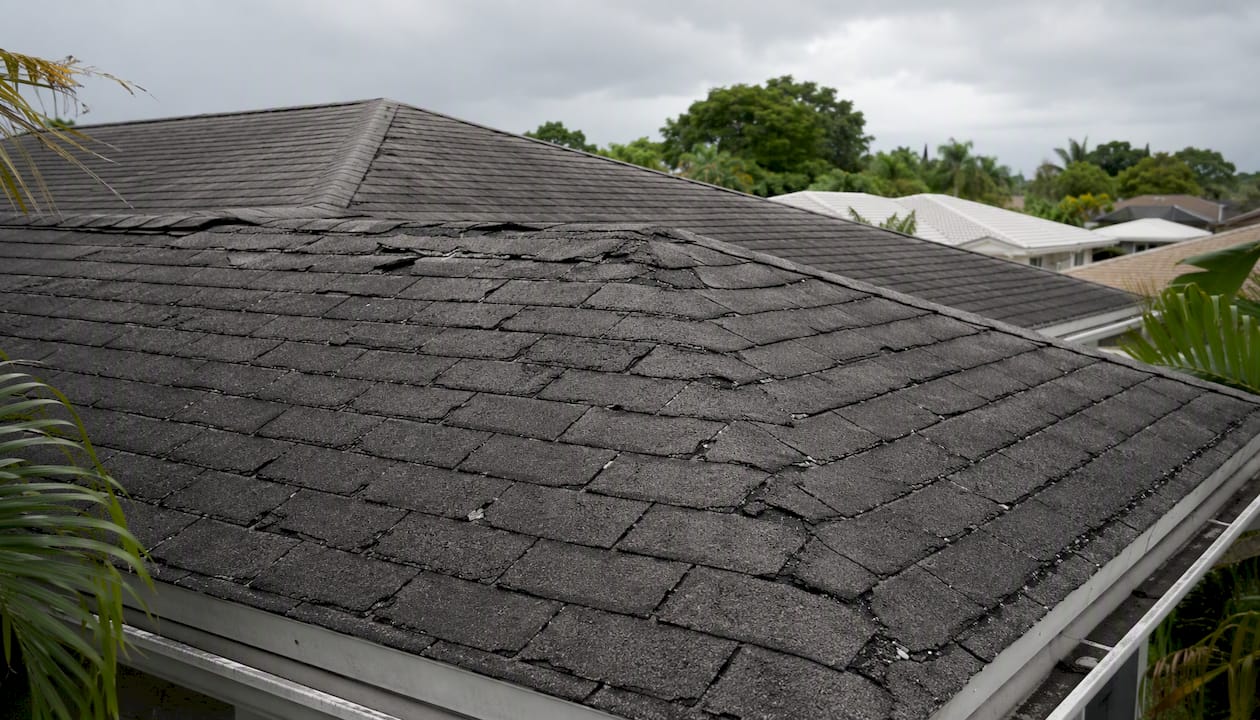
Granules are embedded in the asphalt surface during manufacturing, not bonded with adhesive. High-pressure water dislodges them the same way it would dislodge gravel from a gravel path. Once gone, they do not grow back. Sodium hypochlorite, by contrast, kills the cyanobacteria and lichen at the cellular level without touching the granule matrix.
For verification, check the primary sources directly: ARMA's technical bulletins at asphaltroofing.org, and your shingle manufacturer's warranty and maintenance documentation. Before any cleaning work, confirm that the method your contractor proposes aligns with what your warranty requires.
Our perspective: prevention is always cheaper than replacement
We built Shingleroofrenewal around one observation: most homeowners call a roofer when they should have called a preservation specialist two or three years earlier. By the time a roof looks bad enough to replace, it often could have been saved, at a fraction of the cost.
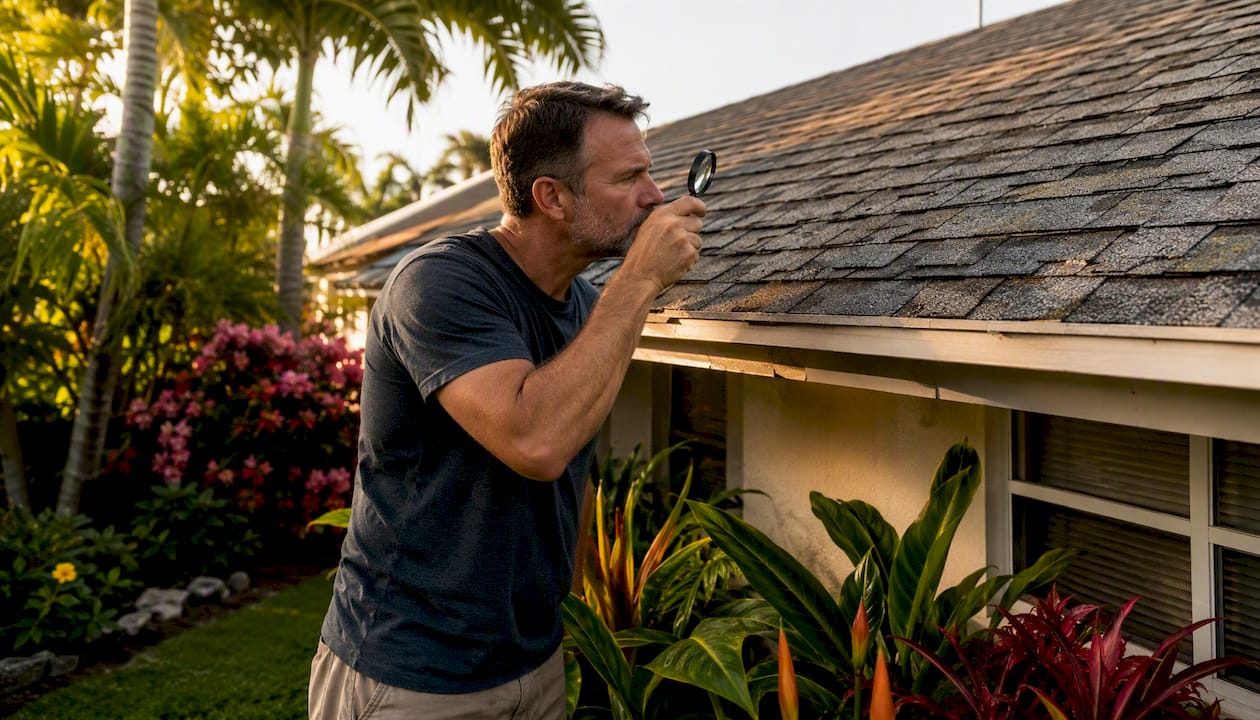
Cleaning is part of that picture, but it's not the whole picture. A soft wash removes what's on the surface. Preservation addresses what's happening inside the shingle, restoring flexibility, locking in granules, and slowing the deterioration that Florida's sun, heat, and storms accelerate every year. Our roof preservation process starts with a free inspection and condition assessment, so you know exactly where your roof stands before you spend a dollar on anything.
"Call us before you call the roofer" is not just a tagline. It's the most practical advice we can give a homeowner whose roof is showing early signs of wear. The window to preserve is real, and it closes faster than most people expect.
Sources
The technical positions in this article draw from ARMA's published guidance, manufacturer documentation, and professional soft-wash operator resources. Use these to verify claims and check your own warranty language.
Primary sources used in this article:
- Algae discoloration of roofs — Asphalt Roofing Manufacturers Association (ARMA)
- Why soft washing is safer for asphalt shingle roofs — Worth It Exterior
- Power washing your roof — AVA Roofing & Siding
For South Florida homeowners specifically, Shingleroofrenewal offers free roof inspections and preservation assessments for qualifying asphalt shingle roofs in Broward and Palm Beach County. If your roof is showing signs of aging, granule loss, or biological growth, an inspection and preservation quote is the right first step before any cleaning or replacement decision.