
TL;DR:
- Regular visual inspections combined with professional assessments help South Florida homeowners identify early roof damage.
- Advanced tools and consistent maintenance practices extend asphalt shingle roof lifespan and prevent costly replacements.
Roof health monitoring is the process of regularly checking and assessing your asphalt shingle roof's condition to catch problems early and extend its lifespan. In South Florida's Broward and Palm Beach County climate, where intense sun, humidity, and storm seasons accelerate shingle deterioration, this process is not optional. It is the difference between a roof that lasts and one that fails years ahead of schedule. The industry term for this practice is roof condition assessment, and understanding it gives you real control over one of your home's most expensive components. This guide covers how to monitor your roof, what tools and technologies exist, and what maintenance habits protect your investment.
How do homeowners effectively monitor the health of asphalt shingle roofs?
Effective roof health monitoring starts with a consistent visual inspection schedule. Homeowners in humid, storm-prone areas should inspect their roofs visually 3–4 times per year. That frequency catches early damage signs before they become expensive repairs.
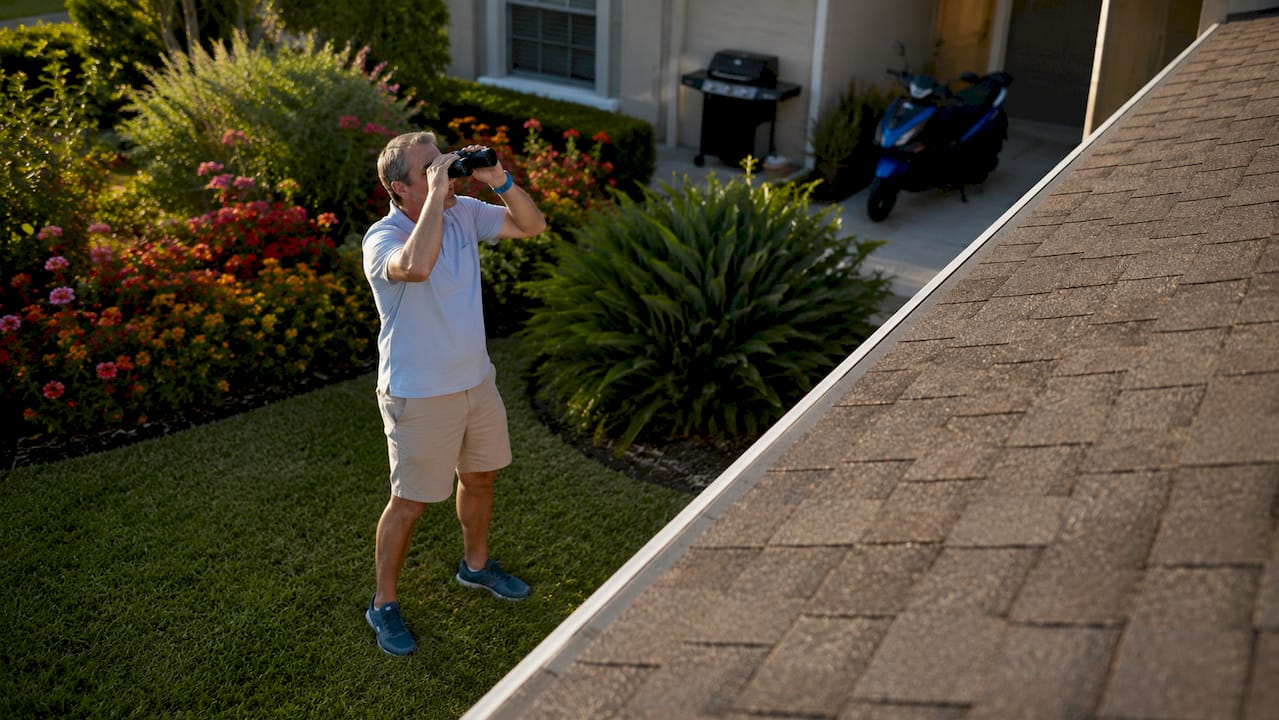
You do not need to climb onto the roof for every check. Walk the perimeter of your home and use binoculars to scan the surface. Look for missing or cracked shingles, curling edges, granule deposits in your gutters, and dark streaking from algae. These are the early warning signs that your roof needs attention. A detailed inspection checklist helps you stay consistent and miss nothing.
Pair your own visual checks with professional inspections twice a year. Biannual professional assessments paired with quarterly homeowner checks reduce the risk of costly emergency repairs. A licensed inspector brings tools and experience that catch what the naked eye misses, including cracked flashings, failing caulk around penetrations, and early moisture intrusion.
Pro Tip: Check your attic during every inspection. Proper attic ventilation prevents heat buildup that causes shingles to become brittle and curl prematurely. Look for blocked soffit vents or signs of moisture on the underside of the roof deck.
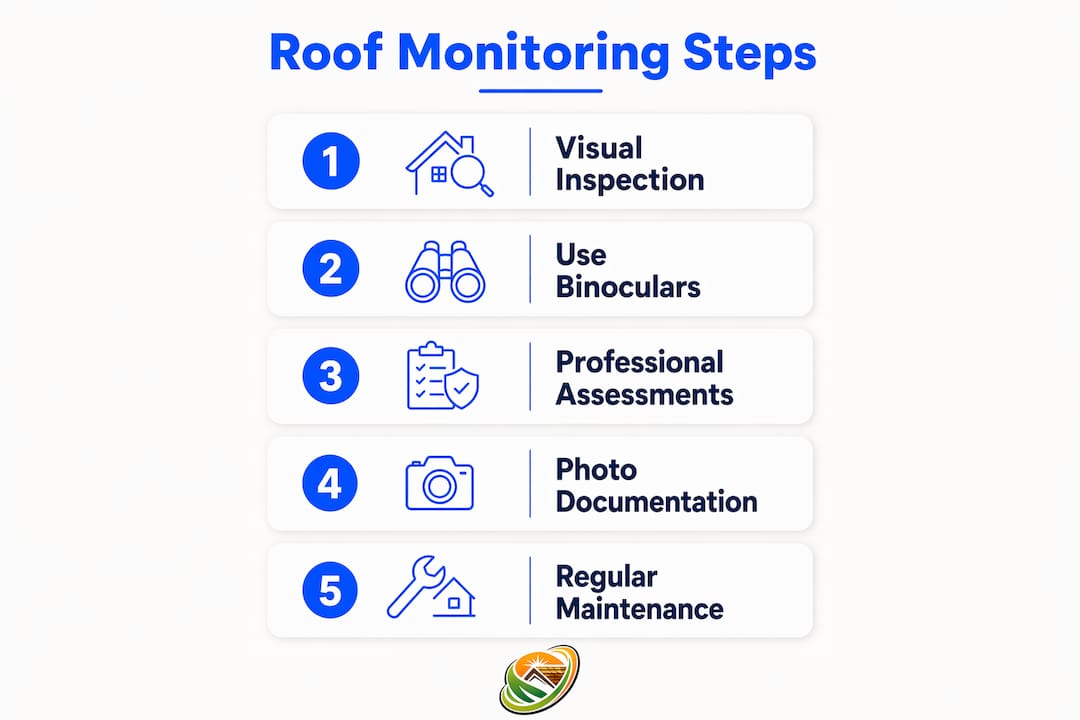
Here is a practical step-by-step approach to your own roof inspections:
- Walk the perimeter and scan the full roof surface from the ground using binoculars.
- Check gutters and downspouts for granule buildup, which signals shingle wear.
- Inspect flashings around chimneys, vents, and skylights for rust, gaps, or lifted edges.
- Look for debris accumulation in valleys and low spots where moisture collects.
- Go into the attic and check for daylight, staining, or soft spots on the roof deck.
- Document what you find with photos and dates so you can track changes over time.
Consistent documentation is what separates reactive homeowners from proactive ones. When you have a photo record, you can show a professional exactly what changed and when.
What are the components and benefits of a comprehensive roof condition assessment?
A roof condition assessment goes far beyond a quick visual check. Comprehensive assessments evaluate the membrane, flashings, penetrations, drainage systems, and insulation to produce a condition score and guide repair decisions. That score gives you a factual basis for deciding whether to repair, restore, or replace.
A professional assessment report typically includes:
- Membrane condition: Surface wear, granule loss, cracking, and blistering
- Flashing integrity: Gaps, rust, or separation at roof edges and penetrations
- Drainage evaluation: Clogged drains, standing water zones, and slope issues
- Penetration seals: Condition of caulk and boots around vents, pipes, and HVAC units
- Attic and insulation check: Moisture staining, ventilation gaps, and deck condition
One of the most valuable diagnostic tools in a professional assessment is infrared moisture scanning. Infrared scanning uncovers hidden saturation beneath roofing membranes before visible leaks appear. Finding moisture early prevents the kind of structural damage that turns a repair into a full replacement.
Pro Tip: Ask your inspector for a written condition score and a cost-of-ownership projection. A good assessment report shows you the cost of repair now versus the cost of replacement later. That comparison removes the guesswork from your decision.
The table below shows how the three main options compare after a condition assessment:
| Option | Best for | Typical outcome |
|---|---|---|
| Repair | Isolated damage, good overall condition | Extends life 2–5 years at low cost |
| Restoration/renewal | Aging shingles with no structural failure | Extends life 10–15 years at fraction of replacement cost |
| Full replacement | Widespread failure, structural damage | New roof life cycle, highest upfront cost |
A professional roof assessment removes the sales pressure that comes with calling a roofer first. You walk in with data, not anxiety.
What roof monitoring technologies are available for South Florida homeowners?
Sensor-based roof monitoring systems represent the newest category of roof health tracking tools. These systems use humidity sensors, temperature probes, and IoT-connected devices to collect continuous data from inside the roof assembly. Humidity monitoring shifts roof maintenance from assumption-based decisions to data-driven ones, improving the timing and targeting of repairs.
The practical benefits of sensor technology include:
- Continuous data collection rather than point-in-time snapshots
- Early moisture detection before leaks reach interior surfaces
- Remote monitoring through smartphone apps or dashboards
- Trend analysis that shows whether conditions are improving or worsening over time
The honest limitation is that sensor systems are most cost-effective for large commercial buildings or multi-unit properties. For a single-family home in Broward or Palm Beach County, the upfront cost of a full sensor network rarely justifies the investment compared to consistent manual inspections.
The most practical technology for South Florida homeowners is a smartphone camera. Photograph your roof from the same angles every inspection. Over time, those photos reveal granule loss, shingle movement, and algae spread that you would never notice visit to visit. Free apps like Google Photos organize images by date automatically.
Pro Tip: Schedule your visual checks around South Florida's weather calendar. Inspect before hurricane season starts in june, again after the first major storm, and once more after the dry season sets in. Those three moments align with when damage is most likely to appear or worsen.
The shift from periodic inspections to condition-based maintenance driven by data leads to more efficient roof care. You do not need expensive sensors to achieve that shift. You need a consistent schedule and a written record.
What regular maintenance tips help maintain roof health in South Florida?
Maintenance is what makes monitoring worthwhile. Catching a problem means nothing if you do not act on it. South Florida's climate creates specific maintenance demands that differ from homes in cooler, drier regions.
Follow this seasonal maintenance sequence to protect your asphalt shingle roof:
- Clear debris after every storm. Leaves, branches, and seed pods trap moisture against shingles and accelerate granule loss. Remove them within a few days of any significant weather event.
- Clean gutters twice a year. Clogged gutters force water back under shingle edges. Clean them in may before hurricane season and again in november after leaf fall.
- Treat algae and moss early. Black streaking is algae. Green patches are moss. Both hold moisture against shingles and break down the surface over time. Use a low-concentration zinc sulfate solution or a product rated safe for asphalt shingles.
- Trim overhanging branches. Branches that touch or scrape the roof abrade granules and deposit organic debris. Keep them trimmed back at least six feet from the roof surface.
- Never pressure wash your shingles. Pressure washing strips protective granules and can void your manufacturer's warranty. Use low-pressure rinsing or a soft brush with a gentle cleaning solution instead.
Consistent maintenance can extend roof life by 5–10 years. That is not a small number when a full replacement in South Florida costs $15,000–$30,000. The South Florida roof care workflow for 2026 aligns these tasks with the local weather cycle so nothing falls through the cracks.
Homeowners should also distinguish between maintenance tasks they can handle safely and repairs that require a licensed professional. Cleaning gutters and trimming branches are DIY-friendly. Replacing flashings, resealing penetrations, or walking on a steep-pitch roof are not. Attempting repairs without proper training risks both personal injury and warranty violations.
Key Takeaways
Consistent roof health monitoring combined with professional condition assessments is the most cost-effective way for South Florida homeowners to extend asphalt shingle roof life and avoid premature replacement.
| Point | Details |
|---|---|
| Inspect 3–4 times per year | Visual checks in South Florida's climate catch granule loss, curling, and algae before damage spreads. |
| Pair DIY checks with professional assessments | Biannual professional inspections find hidden moisture and flashing failures that homeowners miss. |
| Use condition assessments to decide | A written condition score and cost projection removes guesswork from repair vs. replace decisions. |
| Avoid pressure washing | Pressure washing strips granules and voids warranties. Use low-pressure methods only. |
| Check attic ventilation every inspection | Poor ventilation accelerates shingle brittleness under South Florida heat. |
What I have learned from years of watching South Florida roofs age
Most homeowners call a roofer when they see a stain on the ceiling. By that point, the damage has usually been building for months. The roof did not fail overnight. It gave signals that nobody was watching for.
What I find most telling is how many homeowners skip the attic check entirely. They look at the outside and assume that is the whole picture. The attic tells you what the surface hides. Moisture staining on the deck, blocked vents, and soft spots are often the first real evidence that something is wrong. A five-minute attic walk during each inspection changes what you know about your roof.
The other mistake I see repeatedly is pressure washing. Homeowners want a clean roof and assume more pressure means better results. The opposite is true. Granules are the shingle's armor. Strip them and you accelerate aging by years, not months. A soft wash with the right solution does the job without the damage.
Technology like humidity sensors is genuinely useful at scale. For a single home, the return on investment is hard to justify right now. What does work at any scale is a phone camera, a written log, and a twice-yearly call to a qualified inspector. That combination catches problems early, keeps maintenance costs low, and gives you the data to make confident decisions before anyone tries to sell you a new roof.
The homeowners who protect their investment longest are not the ones with the most expensive monitoring systems. They are the ones who show up consistently, document what they see, and act before small problems become big ones.
— Daniellison
How Shingleroofrenewal helps South Florida homeowners protect their roofs
If your inspection turns up signs of aging shingles, granule loss, or early brittleness, replacement is not automatically the answer. Shingleroofrenewal is a certified applicator of Fresh Roof's Green Soy Technology, which restores shingle flexibility at the molecular level and extends qualifying roof life by 10–15 years.
Shingleroofrenewal serves homeowners in Broward and Palm Beach County with a straightforward three-step process: inspect, assess, and recommend. If your roof qualifies for renewal, you could save up to 80% compared to full replacement, backed by a 6-year transferable warranty. Before you call a roofer, find out if your roof qualifies for preservation. Schedule your free inspection and get a clear answer based on your roof's actual condition, not a sales pitch.
FAQ
How often should South Florida homeowners inspect their roofs?
Homeowners in humid, storm-prone areas should inspect visually 3–4 times per year. Pair those checks with biannual professional inspections for complete coverage.
What does a professional roof condition assessment include?
A professional assessment evaluates the membrane, flashings, drainage, penetrations, and attic condition, then produces a condition score and cost-of-ownership projections for repair, restoration, or replacement.
What are the early signs of asphalt shingle roof damage to watch for?
Look for granules collecting in gutters, curling or cracked shingle edges, dark algae streaking, and lifted or missing flashings. These are the most common early indicators that your roof needs attention.
Is pressure washing safe for asphalt shingle roofs?
Pressure washing is not safe for asphalt shingles. It strips protective granules and can void your manufacturer's warranty. Use low-pressure rinsing or a soft brush with a shingle-safe cleaning solution.
What is the difference between a roof inspection and a roof condition assessment?
A roof inspection identifies visible issues during a walkthrough. A roof condition assessment goes deeper, using diagnostic tools like infrared scanning to score overall condition and produce cost projections that guide long-term maintenance decisions.