
TL;DR:
- Proactive roof maintenance in South Florida, including inspections and early repairs, extends shingle lifespan and prevents costly replacements. Regular assessments, proper cleaning, and documentation help homeowners manage storm damage and insurance claims effectively. Roof renewal treatments can restore aging shingles, offering significant savings and additional years of protection before replacement becomes necessary.
If you own an aging shingle roof in Broward or Palm Beach County, the cost of a full replacement probably keeps you up at night. A solid south florida roof care workflow can change that. Instead of reacting to damage after a storm tears through or your insurance company sends a warning letter, a structured plan lets you stay ahead of the wear your roof faces every single day. This guide walks you through exactly how to inspect, clean, repair, document, and protect your asphalt shingle roof year-round, so you spend less and stress less.
Table of Contents
- Key takeaways
- The south florida roof care workflow starts here
- Pre-season preparation and scheduling
- Step-by-step maintenance workflow
- Post-maintenance verification and long-term monitoring
- My honest take on proactive roof care
- How Shingleroofrenewal can protect your roof and your wallet
- FAQ
Key takeaways
| Point | Details |
|---|---|
| Inspect on a schedule | South Florida roofs need at least one professional inspection per year, and two if your roof is 10 or more years old. |
| Time repairs before hurricane season | Complete all inspections and repairs between March and May to avoid contractor shortages when storms approach. |
| Document everything with photos | Timestamped photos before and after storms protect your insurance claims and track roof condition over time. |
| Avoid pressure washing | Soft-wash methods clean algae safely without stripping granules that protect your shingles from heat and UV damage. |
| Renewal beats replacement | When caught early enough, shingle renewal can extend roof life by 10 to 15 years at a fraction of replacement cost. |
The south florida roof care workflow starts here
Before you can build a reliable maintenance plan, you need to understand what your roof is actually up against. South Florida's climate is not just "hot and sunny." It is a combination of stresses that no other region in the country stacks together quite the same way.
How heat destroys shingles faster than you think
Asphalt shingles in Broward and Palm Beach County reach surface temps around 160°F on a typical summer afternoon. That level of heat pulls the natural oils out of asphalt over time, leaving shingles brittle, cracked, and prone to curling at the edges. Compared to homes in cooler states, thermal shock alone reduces roof lifespan by 20 to 30%. You are not imagining things when your roof ages faster than your neighbor's up north.
Salt air from the coast speeds up corrosion on metal flashing and fasteners. High humidity encourages algae and mold to take hold, which traps moisture against the shingles and accelerates underlayment decay. Then come the storms. Wind uplift can pull shingles loose at the edges, debris punches through granule layers, and any small gap in flashing becomes a water infiltration point within hours.
Here are the signs that South Florida's climate is winning the battle against your roof:
- Granule loss: Check your gutters after rain. A layer of sand-like granules signals shingles are breaking down.
- Curling or cupping: Shingle edges that bend upward or downward indicate heat damage and loss of flexibility.
- Nail pops: Nails pushing up through shingles create entry points for water, especially during heavy rain.
- Algae streaks: Black or dark green staining means moisture is sitting on your roof longer than it should.
- Flashing gaps: Loose or corroded flashing around vents, skylights, and chimneys is a top cause of leaks.
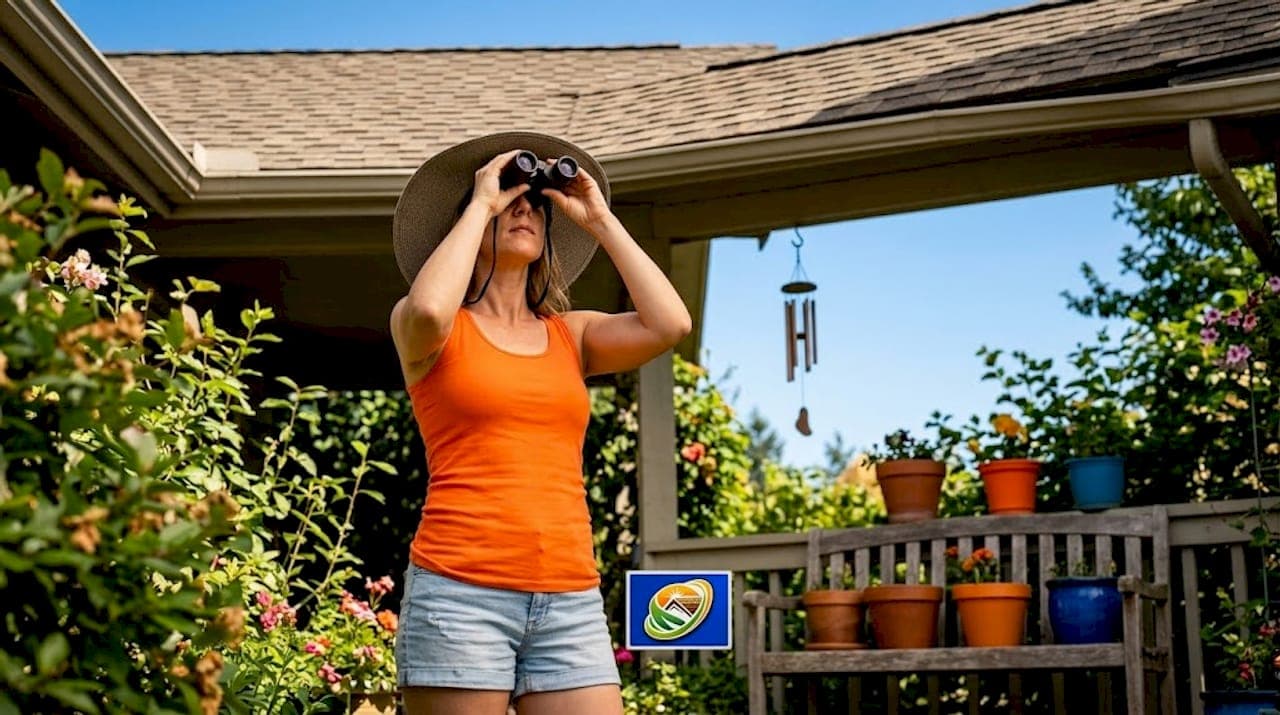
Pro Tip: Walking on hot South Florida shingles accelerates granule loss and can cause structural damage. Use binoculars or a drone camera for visual checks rather than climbing up yourself.
Pre-season preparation and scheduling
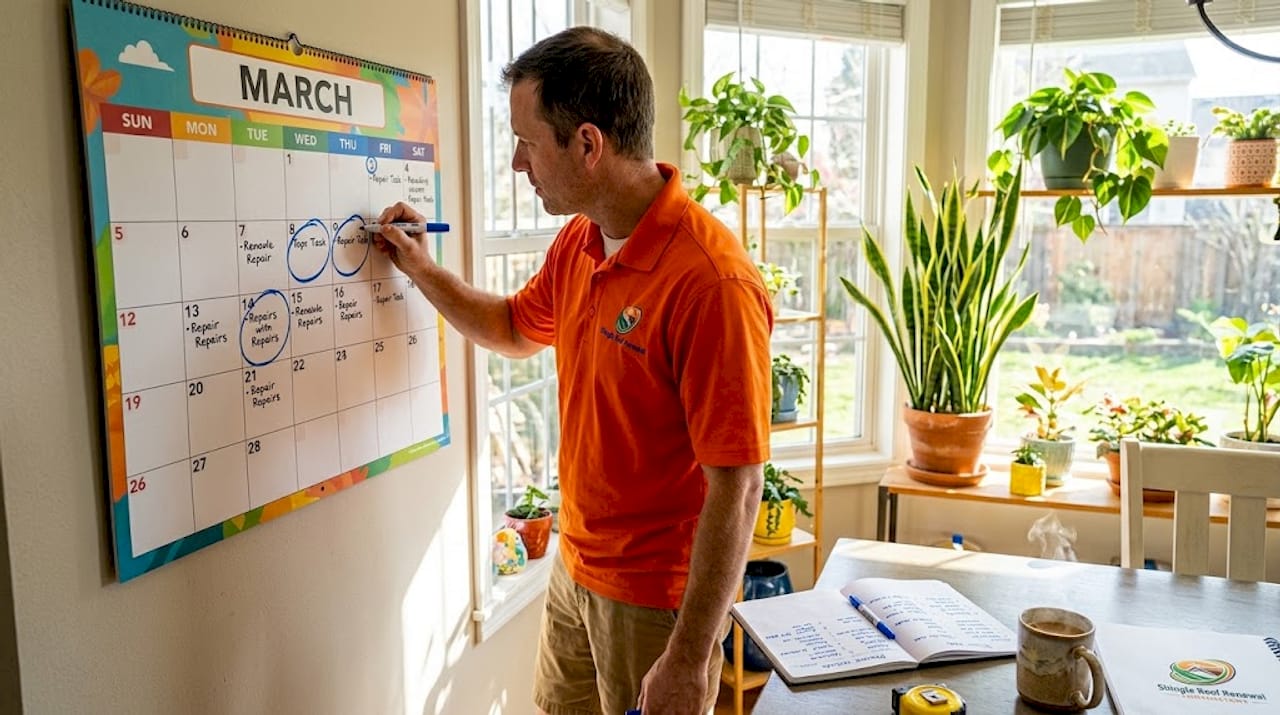
A good roof care workflow does not start the day a storm is announced. It starts months earlier. The most effective approach in South Florida follows two critical windows: pre-hurricane season preparation from March through May, and post-hurricane season assessment from November through December.
Finishing inspections and repairs between March and May is not just smart planning. It is practically necessary. Once hurricane season heats up, licensed contractors are booked out for weeks. If you wait until June, you may not get a contractor on your roof before the first named storm arrives.
Inspection frequency and cost planning
| Roof Age | Recommended Inspection Frequency | Estimated Cost |
|---|---|---|
| Under 10 years | Once annually | $150 to $400 |
| 10 to 15 years | Twice annually | $300 to $800 per year |
| 15 or more years | Semi-annual + thermal scan | $400 to $800+ per visit |
Professional roof inspections in Florida typically cost between $150 and $400 for a standard inspection. Wind mitigation inspections, which document hurricane-resistant features and can save you hundreds to thousands on your annual insurance premium, run $75 to $175. The return on that investment is significant.
Beyond scheduling inspections, here is what you need to gather before your first pre-season check:
- A smartphone or camera for timestamped documentation
- Binoculars for safe visual inspection from the ground
- Contact information for a licensed South Florida roofing contractor
- Your current homeowner's insurance policy (review coverage and claim requirements)
- A simple maintenance log or folder to store inspection reports and photos
Pro Tip: Review your insurance policy in February, before the inspection season starts. Some insurers in Broward and Palm Beach Counties require roof certifications or inspections as a condition of renewal. Knowing this early gives you time to act.
Pairing your roof maintenance calendar with other seasonal home tasks can keep things organized. If you are already scheduling a South Florida home declutter and seasonal garage cleanout, add the roof inspection to the same weekend so nothing gets skipped.
Step-by-step maintenance workflow
With your scheduling and tools in place, here is how to execute your roof maintenance South Florida plan from start to finish each season.
-
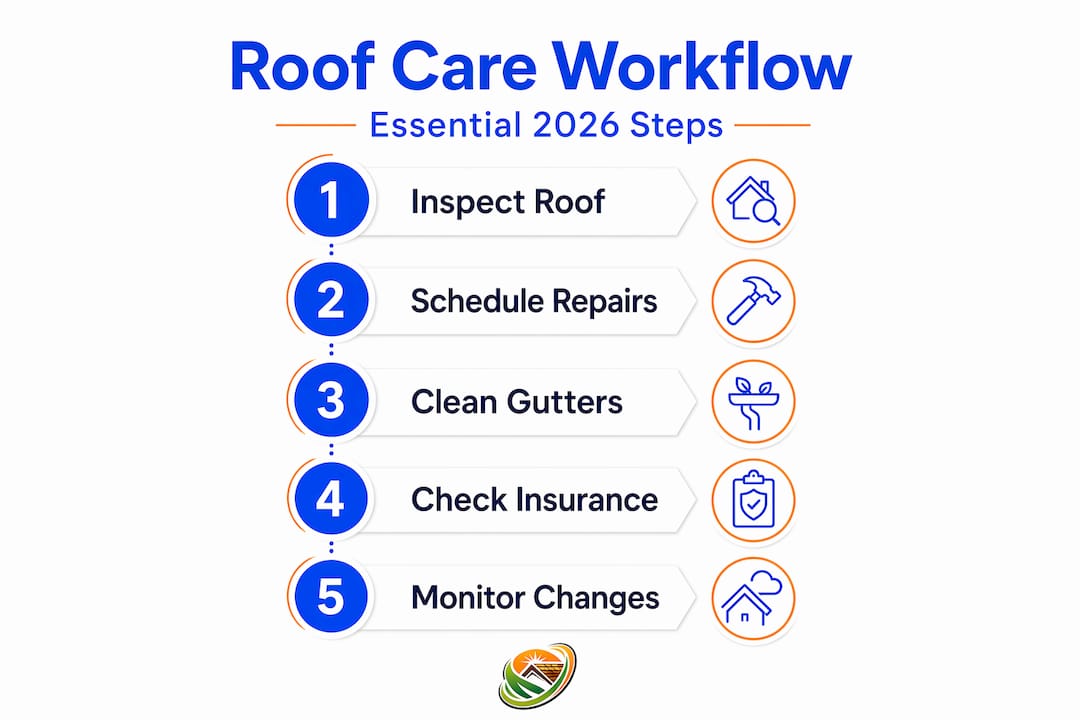
Start with a ground-level visual check. Walk the perimeter of your home with binoculars. Look for missing shingles, visible curling, dark streaks, and sagging areas. Note everything with photos before any professional arrives.
-
Clear gutters and downspouts. Clogged gutters cause water to back up under shingles at the eave line, one of the most common sources of hidden water damage in South Florida homes. Use a garden hose to flush them out after removing debris by hand.
-
Schedule your licensed roof inspection. A professional will check shingle condition, flashing integrity, vent boot seals, ridge caps, and attic ventilation. Early detection of hidden moisture can prevent $8,000 to $15,000 in remediation costs that develop silently behind your ceiling.
-
Address soft-wash cleaning if needed. If your inspector identifies algae or mold growth, hire a professional who uses soft-wash methods. Pressure washing accelerates granule loss and can shorten your roof's life by 5 to 10 years. This is not a DIY job for a pressure washer rental.
-
Complete minor repairs before storm season. Reseal cracked vent boots with roofing caulk. Refasten any loose shingles. Have a contractor replace any damaged or missing flashing. These small fixes cost $100 to $500 and prevent claims that could cost ten times more.
-
Photograph everything after repairs are done. Date-stamp your photos and store them in a dedicated folder, either digital or physical. This becomes your baseline for future comparisons.
-
Conduct a post-storm check within 72 hours. After any named storm passes within 50 miles of your home, Florida insurance policies require notification within 72 hours to avoid claim denials. Photograph all visible damage, contact your insurer, and call a licensed contractor for a formal assessment. Do not wait.
-
Repeat your visual inspection in November or December. After hurricane season ends, do another pass for any storm wear that was not immediately visible. Small cracks and lifted shingles left through winter can allow moisture to cause serious damage before your next pre-season check.
Pro Tip: For cost-effective roof protection between professional visits, keep a simple checklist on your phone and walk the perimeter after every major rain event. Five minutes of observation can catch a problem before it becomes a claim.
Post-maintenance verification and long-term monitoring
Completing your maintenance tasks is only part of the workflow. What happens after matters just as much.
Documenting roof conditions with timestamped photos before and after storms gives you evidence that insurers actually use when evaluating claims. Without a photo record, you are relying on memory and inspector estimates. With one, you have proof.
Here are the long-term monitoring steps that keep your workflow complete:
- Schedule a wind mitigation inspection. These assessments document hurricane-resistant features on your roof and can save homeowners hundreds to thousands on annual insurance premiums. They are valid for approximately five years, so put a reminder on your calendar.
- Track shingle condition year over year. Compare your annual inspection reports side by side. Granule loss that increases by 20% in a single year is a red flag worth discussing with your contractor.
- Watch for interior warning signs. Water stains on ceilings, peeling paint on exterior walls near the roofline, and musty smells in your attic are signals that something is getting through.
- Know your thresholds. Most asphalt shingle roofs in South Florida last 15 to 20 years under good maintenance conditions. When your inspector notes widespread brittleness, large areas of granule loss, or structural decking compromise, it is time to evaluate your options.
| Condition Indicator | Recommended Action |
|---|---|
| Minor granule loss, flexible shingles | Continue standard maintenance workflow |
| Moderate granule loss, some curling | Schedule professional assessment, consider renewal |
| Widespread brittleness, cracking | Evaluate renewal vs. replacement with a certified specialist |
| Water intrusion or decking damage | Immediate professional repair and insurance notification |
When your roof shows moderate wear but still has structural integrity, that is the moment to explore weatherproofing and renewal options before the window for cost-effective intervention closes.
My honest take on proactive roof care
From everything I have seen with South Florida homeowners, the biggest mistake is not skipping maintenance entirely. It is waiting just one year too long. A homeowner who gets inspected every spring and catches granule loss at 30% can often restore their roof for a fraction of replacement cost. A homeowner who waits until shingles are visibly cracking and water stains appear inside the house is looking at a full tear-off.
I have also seen people spend money on the wrong things. They pressure-wash their roofs every couple of years thinking they are being diligent, not realizing they are stripping off the very granules that protect the shingles from UV damage. That is money spent speeding up the deterioration.
The counterintuitive truth about roof longevity in Broward and Palm Beach County is this: less intervention done correctly beats frequent intervention done wrong. A once-a-year professional inspection, soft cleaning when needed, and fast response after storms will outperform expensive but misguided DIY maintenance every time.
My advice is simple. Schedule your inspection in March. Take photos before and after every major storm. Keep a folder with every report your contractor has ever given you. And the moment your inspector mentions moderate wear, ask whether your roof qualifies for renewal before you agree to a replacement quote.
— Daniellison
How Shingleroofrenewal can protect your roof and your wallet
If your roof is showing signs of aging but has not yet crossed into replacement territory, there is a strong chance it can still be saved.

Shingleroofrenewal is a certified applicator of Fresh Roof's GreenSoy Technology, a process that restores asphalt shingles at the molecular level, bringing back flexibility and stopping further deterioration. Designed specifically for homes in Broward and Palm Beach County, this service can extend your roof's life by 10 to 15 years at up to 80% less than a full replacement. Instead of spending $15,000 to $30,000 on a new roof, most qualifying homeowners spend a fraction of that. The renewal comes with a 6-year transferable warranty and the documentation your insurance company wants to see.
The process starts with a free professional inspection. Shingleroofrenewal assesses your roof's condition and tells you honestly whether it qualifies. If it does, you save thousands. If it does not, you know exactly where you stand. See how the renewal process works and schedule your free inspection today.
FAQ
How often should I inspect my shingle roof in South Florida?
South Florida roofs need a professional inspection at least once a year. If your roof is 10 to 15 years old or older, semi-annual inspections give you better protection and earlier problem detection.
What is the best time of year to schedule roof maintenance in Florida?
March through May is the critical window for completing inspections and repairs before hurricane season. Waiting until summer means competing for contractor availability when demand spikes.
Can I pressure wash my shingle roof to remove algae?
No. Pressure washing strips protective granules from shingles and can shorten your roof's life by 5 to 10 years. A soft-wash application by a licensed professional is the correct method for South Florida shingle roofs.
What is a wind mitigation inspection and is it worth it?
A wind mitigation inspection documents hurricane-resistant features on your roof and can reduce your annual insurance premiums by hundreds to thousands of dollars. It costs $75 to $175 and is valid for about five years, making it one of the highest-return maintenance investments available.
When should I consider roof renewal instead of replacement?
Roof renewal is worth evaluating when your shingles show moderate wear, such as some curling or granule loss, but the underlying structure is still sound. A certified specialist can assess whether your roof qualifies for a process like GreenSoy Technology, which can extend life by 10 to 15 years at a fraction of replacement cost.