
TL;DR:
- Attic insulation and proper ventilation significantly improve energy efficiency for shingle roofs by reducing heat transfer into homes. Reflective shingles with high Solar Reflectance Index values can lower surface temperatures and cut cooling costs, but insulation and ventilation have higher priority. Regular maintenance and preservation treatments extend shingle life and protect energy performance in South Florida's harsh climate.
Energy efficiency for shingle roofs is defined as a roof system's ability to reduce heat transfer into your home by combining proper attic insulation, balanced ventilation, and reflective shingle materials. In South Florida, where Broward and Palm Beach County homeowners face relentless sun, humidity, and storm cycles, this matters more than anywhere else in the country. The good news is that most homeowners can dramatically cut cooling costs and extend shingle life without spending $15,000–$30,000 on a full replacement. The right upgrades, applied in the right order, protect your roof and your wallet at the same time.
How does attic insulation and ventilation improve energy efficiency for shingle roofs?
Attic insulation is the single biggest lever for roof energy performance. Attic insulation below R-30 is the most common reason South Florida homes overpay on cooling bills. When heat builds up in an under-insulated attic, your air conditioner runs longer, your living space stays warmer, and your shingles age faster from the thermal stress above and below.
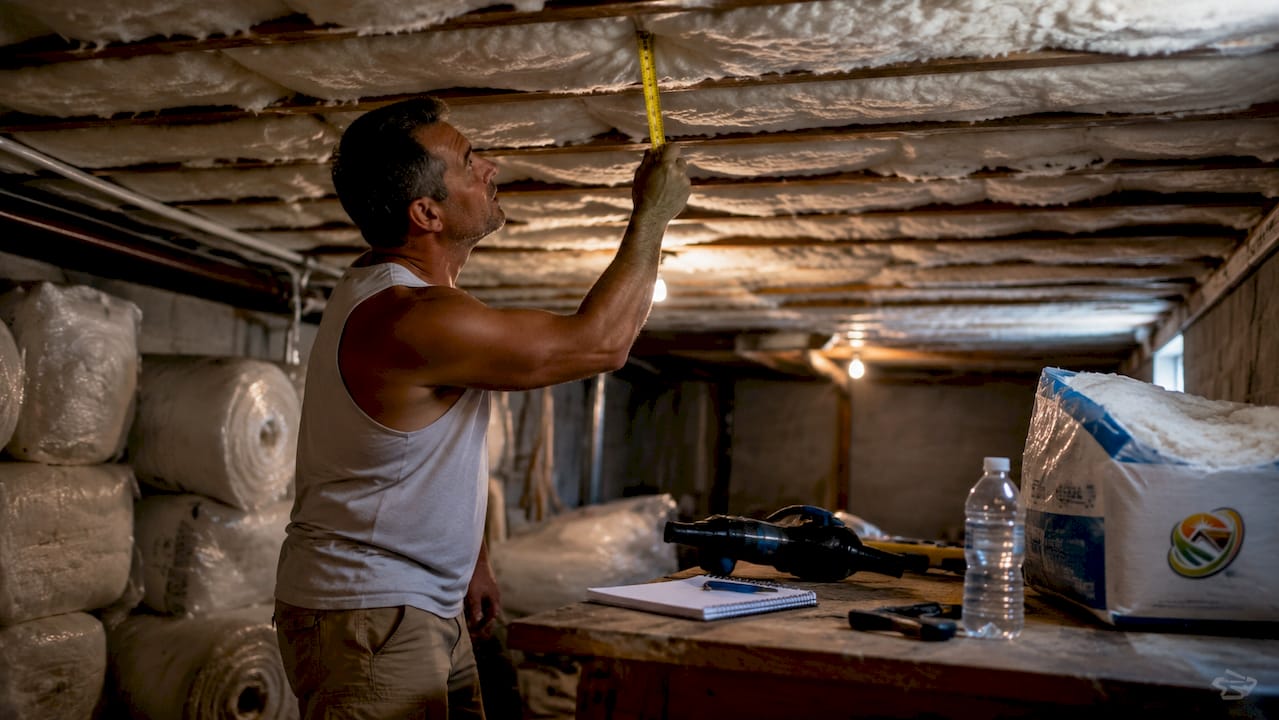
The industry benchmark is R-30 or higher for attic insulation in hot climates. Proper insulation and ventilation can reduce heating and cooling costs by 15–25%, which delivers a higher return on investment than replacing functional shingles. That number matters because many homeowners spend tens of thousands on a new roof when the real problem is sitting in their attic.
Balanced soffit-to-ridge ventilation works alongside insulation to move hot air out before it bakes your shingles from underneath. Balanced attic ventilation can reduce attic temperatures by 30–40°F on hot summer days. Lower attic temperatures mean less thermal stress on shingles, which directly extends their lifespan.
Here is what proper attic insulation and ventilation accomplish together:
- Reduces the cooling load on your HVAC system, extending its service life
- Lowers shingle surface temperature from below, slowing granule loss and brittleness
- Prevents moisture buildup that leads to mold and wood rot in the roof deck
- Keeps your home more comfortable without touching the shingles at all
Pro Tip: Before spending money on new shingles, schedule a residential roof audit to check your attic insulation R-value first. Fixing insulation often costs far less than a new roof and delivers faster energy savings.
What makes shingles energy saving, and how do you identify them?
Energy-efficient shingles are defined by their Solar Reflectance Index, or SRI. The SRI measures how well a roofing surface reflects sunlight and releases absorbed heat. A higher SRI means a cooler roof surface. Standard dark asphalt shingles carry an SRI around 20. Raising SRI from 20 to 55 can lower roof surface temperatures by over 13°F and cut cooling energy bills by up to 20%.
Reflective granule coatings are the primary technology behind energy-efficient asphalt shingles. Manufacturers embed specially coated granules into the shingle surface that scatter solar radiation instead of absorbing it. These products are certified under the ENERGY STAR program, which is administered by the U.S. Environmental Protection Agency and the Department of Energy. ENERGY STAR-qualified cool roof products can save up to $1.11 per square foot in lifetime energy costs compared to conventional roofing.
When shopping for energy-efficient shingles, look for these markers:
- ENERGY STAR certification label on the product packaging or manufacturer spec sheet
- SRI value of 29 or higher for steep-slope residential roofs, per ENERGY STAR requirements
- Reflective granule technology listed in the product description
- Cool roof rating from the Cool Roof Rating Council (CRRC), an independent testing body
| Shingle Type | Typical SRI Range | ENERGY STAR Eligible |
|---|---|---|
| Standard dark asphalt | 5–20 | No |
| Standard light asphalt | 20–35 | Sometimes |
| Reflective granule asphalt | 29–55+ | Yes |
| Metal with cool coating | 50–70+ | Yes |
The table above shows why shingle selection matters, but it also shows why it ranks third in the hierarchy of roof energy performance. Insulation and ventilation come first. Shingle choice amplifies the gains you have already locked in.
Does shingle color affect energy efficiency and roof longevity in South Florida?
Shingle color does affect surface temperature, but its impact on your total energy bill is smaller than most homeowners expect. Roof color affects surface temperature, but with proper insulation and ventilation in place, the effect on overall home energy cost is minimal. This is one of the most misunderstood facts in residential roofing.
Dark shingles absorb more solar radiation and can run significantly hotter than light-colored shingles on the same day. In South Florida's climate, that extra heat accelerates the drying and cracking of asphalt. Shingle color impact on energy costs is minor when attic insulation and ventilation are adequate, so color choice should prioritize appearance and roof style. The practical takeaway is that a well-insulated attic under dark shingles will outperform a poorly insulated attic under light shingles every time.
Here is how to think through color and material choices for South Florida conditions:
- Light or medium shingles reduce surface heat and slow granule degradation in intense sun, giving a modest longevity edge
- Preservation treatments like Fresh Roof Green Soy Technology restore shingle flexibility and lock in granules regardless of color, extending lifespan on existing roofs
- Architectural shingles are thicker than 3-tab shingles and hold up better under repeated thermal expansion and contraction cycles
- Granule loss is the first visible sign of heat damage; catching it early through a shingle lifespan assessment prevents premature failure
Pro Tip: If your shingles are already showing granule loss or curling, a preservation treatment addresses the root cause of heat damage at the molecular level. Color alone will not fix a shingle that has already dried out.
Maintenance practices that extend shingle life and protect energy performance
Preventative maintenance is the most cost-effective way to keep your roof performing well year after year. Proper roof maintenance and rejuvenation treatments preserve shingle flexibility and granule adhesion, which directly prevents premature replacement. A roof that loses its flexibility cracks under thermal stress, lets moisture in, and forces the replacement conversation far sooner than necessary.
Follow these maintenance steps to protect both energy performance and shingle durability:
- Schedule a professional roof assessment annually. A trained eye catches granule loss, cracking, and ventilation gaps before they become expensive problems. Shingleroofrenewal offers free inspections for qualifying homes in Broward and Palm Beach County.
- Clear debris from valleys and gutters twice a year. Debris traps moisture against shingles, accelerating granule loss and creating conditions for mold growth on the roof deck.
- Check attic ventilation after every major storm. High winds can dislodge ridge vents or block soffit vents, eliminating the airflow that keeps attic temperatures in check.
- Apply a certified shingle rejuvenation treatment when shingles show early drying. Fresh Roof Green Soy Technology penetrates the asphalt at the molecular level, restoring oils that South Florida's sun has cooked out of the shingles. This is not a surface coating. It works from within.
- Document all maintenance and treatments. Energy-efficient roof upgrades and treatments require proper documentation to avoid voiding manufacturer warranties. Keep records of every inspection, repair, and treatment applied.
- Avoid pressure washing shingles. High-pressure water strips granules and voids most manufacturer warranties. A soft wash or dry debris removal is the correct approach.
Shingleroofrenewal's three-step process, inspect, assess, and recommend, is built around catching problems at step one so homeowners never reach the replacement conversation unnecessarily. The roof assessment process is the foundation of every energy-efficient maintenance plan.
Key Takeaways
Improving roof energy performance starts with attic insulation and ventilation, not shingle replacement, and maintenance treatments extend shingle life while protecting those gains long-term.
| Point | Details |
|---|---|
| Insulation comes first | Attic insulation at R-30 or higher delivers 15–25% energy cost savings before any shingle upgrade. |
| Ventilation protects shingles | Balanced soffit-to-ridge ventilation reduces attic temps by 30–40°F, directly extending shingle lifespan. |
| SRI drives shingle efficiency | Reflective shingles with an SRI of 29 or higher qualify for ENERGY STAR and cut surface temps significantly. |
| Color matters less than insulation | Shingle color affects surface heat, but proper insulation makes the energy cost difference minimal. |
| Maintenance defers replacement | Annual assessments and preservation treatments protect flexibility and granule adhesion, avoiding premature tear-offs. |
What I have learned after years of watching South Florida roofs age
The most common mistake I see South Florida homeowners make is spending money on new shingles when their attic is the real problem. A new roof over a poorly ventilated, under-insulated attic will age just as fast as the one it replaced. The shingles are not the cause. They are the symptom.
The second mistake is assuming that insulation damages shingles. Research from the Florida Solar Energy Center shows that spray foam on the roof deck raises shingle surface temperature by only about 2–3°F, which is not enough to meaningfully shorten shingle life. The fear is real among homeowners, but the science does not support it. What does damage shingles is heat trapped in an unventilated attic with no airflow path out.
My honest advice is this: get a professional assessment before you make any decision. The hierarchy is clear. Fix insulation first. Fix ventilation second. Then evaluate your shingles. If they still have life in them, a preservation treatment is almost always the right call before a full replacement. The common roofing myths that push homeowners toward unnecessary replacements cost this region millions of dollars every year. You do not have to be part of that statistic.
— Daniellison
How Shingleroofrenewal helps South Florida homeowners protect their roofs
South Florida's climate is hard on asphalt shingles. The sun, heat, and storm cycles in Broward and Palm Beach County dry out shingles faster than nearly anywhere else in the country.
Shingleroofrenewal is a certified applicator of Fresh Roof Green Soy Technology, a preservation treatment that restores shingle flexibility at the molecular level, locks in granules, and extends qualifying roof life by 10–15 years. The process starts with a free inspection. If your roof qualifies, you could save thousands compared to a full replacement, backed by a 6-year transferable warranty. Before you call a roofer, find out if your roof can be saved. Visit Shingleroofrenewal to schedule your free inspection today.
FAQ
What is the most effective way to improve roof energy efficiency?
Upgrading attic insulation to R-30 or higher and installing balanced soffit-to-ridge ventilation delivers the largest energy savings, reducing heating and cooling costs by 15–25% before any shingle change is needed.
What is the Solar Reflectance Index and why does it matter?
The Solar Reflectance Index (SRI) measures how well a roof surface reflects sunlight and releases heat. Raising SRI from 20 to 55 can lower roof surface temperatures by over 13°F and reduce cooling bills by up to 20%.
Does shingle color significantly affect my energy bill?
Shingle color affects surface temperature, but with proper attic insulation and ventilation in place, the impact on your total energy bill is minimal. Insulation quality matters far more than shingle color.
Can I improve my shingle roof's energy performance without replacing it?
Yes. Preservation treatments like Fresh Roof Green Soy Technology restore shingle flexibility and granule adhesion, extending roof life and maintaining energy performance without the cost of a full replacement.
How do I know if my roof qualifies for a preservation treatment?
Shingleroofrenewal offers a free three-step inspection process for homes in Broward and Palm Beach County. An assessor inspects the roof, evaluates its condition, and recommends whether preservation is the right path forward.