
Curling shingles are visual evidence that the shingle itself is failing or under stress, not just a cosmetic quirk. Whether you need a repair or a full replacement depends on how much of the roof is affected, its age, and what's causing it. Walk the yard, look up, count the curled tabs you can see, and call a professional if more than a quarter of the roof shows curling or you spot staining in the attic.
TL;DR:
- If more than a quarter of the roof shows curling or attic staining, professional inspection and possible replacement are necessary.
- Curling patterns like cupping, clawing, and fishmouthing indicate different issues, often caused by asphalt aging from UV, heat, and oxidation.
- Inspect the roof from the ground with binoculars and check attic ventilation and moisture indicators before deciding on repair or replacement.
- Repairing small areas with targeted reseals is effective if less than 30% of the roof is affected and the decking remains sound.
- Addressing ventilation and moisture control inside the house can significantly slow or prevent curling progression.
Table of Contents
- What Causes Shingles To Curl?
- How Do You Inspect and Diagnose Curling Shingles?
- Repair Or Replace? How To Decide
- DIY Fixes vs. When To Call A Professional
- Preventing Curling Before It Starts
- A Preservation Path Worth Knowing About
- Why Waiting Costs More Than Looking
- Get A Free Inspection Before You Call A Roofer
- Sources
What Causes Shingles To Curl?
Curling isn't one problem. It's a symptom with several distinct root causes, and the shape of the curl often tells you which one you're dealing with.
Roofers generally describe three patterns. Cupping happens when the shingle's edges turn upward, usually from moisture getting trapped underneath. Clawing shows up as the shingle's center bulging while the edges stay flat, a sign tied to asphalt aging and heat exposure. Fishmouthing is when a shingle's edge lifts and gaps open at the seams, often pointing to installation problems or adhesive failure. The distinct deformation patterns matter because they point roofers toward different fixes rather than a one-size-fits-all repair.
Behind all three shapes is the same chemistry: the asphalt binder that keeps shingles flexible breaks down over time. Laboratory weathering studies show UV exposure, thermal cycling, and oxidation change the asphalt's properties at a molecular level, making it brittle and shedding the protective granules that shield it from the sun.
Heat is doing more work here than most homeowners realize. Instrumented roof testing found that shingle surface temperatures routinely exceed standard aging thresholds on sunny days, which accelerates the same oxidation process that drives clawing.
Common culprits worth ruling out:
- Poor attic ventilation trapping heat and moisture against the shingle underside
- Age past 15 to 20 years, when asphalt binders naturally stiffen and crack
- UV and heat exposure on south and west facing slopes
- Installation errors, including double-layered shingles or improperly placed sealant strips
- Manufacturing defects in the asphalt mat or granule adhesive
Fast fact: Not all attic moisture comes from above. Research from Oak Ridge National Laboratory found that solar-driven moisture moving through shingle laps is unlikely to be a major source of attic humidity, which means condensation problems often trace back to indoor sources like bathroom vents or ductwork, not the roof deck itself. That distinction changes how you diagnose the problem, which brings us to the inspection itself.
How Do You Inspect and Diagnose Curling Shingles?
Start from the ground. A pair of binoculars will show you cupping, clawing, and missing granules without putting you on a ladder, and that matters because walking on brittle, curled shingles can crack them further or send you through a weakened section. Skip the roof entirely if it's steep or two stories. That's a job for a professional with proper fall protection.
The attic tells you more than the shingles do. Here's a simple sequence:
- Check for dark staining or streaks on the underside of the decking near vents or valleys.
- Look for active condensation on nail heads or rusted, corroded fasteners.
- Feel the air temperature. An attic that feels noticeably hotter than the outdoors on a mild day usually signals inadequate ventilation.
- Check insulation near the soffits for gaps or moisture damage, both of which point to airflow problems.
- From outside, count the curled or cupped tabs you can identify and estimate what share of the total roof they represent.
If curling covers under 30% of the roof and the decking looks sound, targeted repair is often realistic. Above that threshold, most contractor cost guidance points toward replacement being the more economical route.
Pro Tip: Take photos from the same spots every six months. A pattern that's spreading tells you the clock is running faster than you think.
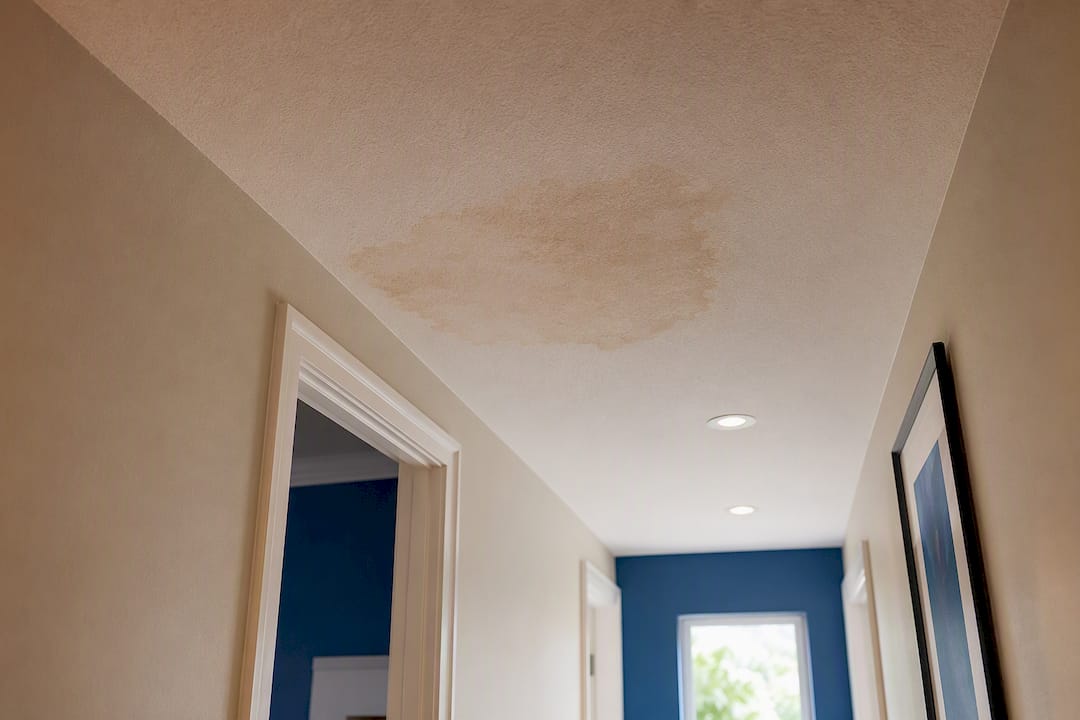
Stop and call a professional immediately if you see sagging decking, active leaks staining your ceiling, or shingles that crumble when lightly touched. Those are structural warnings, not maintenance items.
Repair Or Replace? How To Decide
The math on curling shingles comes down to four numbers: how much of the roof is affected, how old the roofing is, how much granule loss you're seeing, and whether the decking underneath is still sound.
A spot reseal using roofing cement handles isolated curling on a handful of shingles and costs the least. Individual shingle replacement runs higher because it involves removing nails and weaving new shingles into the existing pattern. A section re-roof covers one slope or area where damage clusters together, and full replacement becomes the answer when curling spreads across most of the roof or the decking has failed.
Rules of thumb worth following:
- With less than roughly a quarter to a third of the roof affected, sound decking, and a roof under about 15 years old, repair is usually viable
- When about a third or more of the roof is affected or the decking shows rot, replacement is typically the better investment
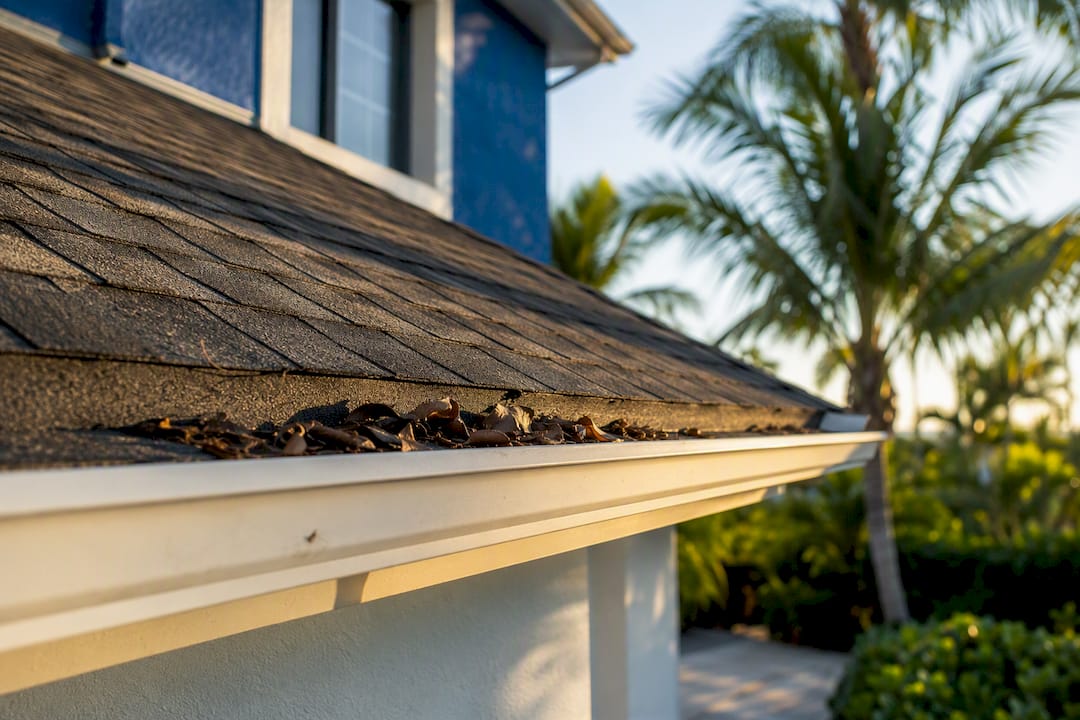
- Heavy granule loss visible in gutters alongside curling: treat it as advanced wear, not early-stage
- Curling that returns within a year of repair: the root cause, usually ventilation, wasn't addressed
Fixing the underlying ventilation problem before repairing shingles matters more than most homeowners expect. Contractors who address ventilation and moisture alongside a repair see it hold; those who patch shingles without touching the cause often watch the same curling reappear within a season, since progressive shrinkage failures tend to continue until the moisture or heat source is fixed.
For insurance or warranty purposes, document everything: dated photos, the estimated percentage affected, and a written contractor cost assessment before any work begins.
DIY Fixes vs. When To Call A Professional
Isolated curling, a handful of shingles on one slope, can sometimes be handled yourself. Widespread curling or anything involving steep pitches should not.
For a DIY reseal:
- Pick a warm, dry day above 70°F so the shingle softens enough to lay flat without cracking.
- Lift the curled edge gently and apply roofing cement underneath with a putty knife.
- Press the shingle down firmly and hold for several seconds to set the bond.
- Check it again after a week to confirm the seal held through a heat cycle.
For a single damaged shingle: carefully remove the nails holding it and the shingle above it, slide the old shingle out, and weave the replacement into the existing pattern before renailing. Get this wrong and you create a new leak point rather than fixing one. Inexperienced patching, especially slathering mastic over an exposed shingle edge, can trap moisture underneath and accelerate the very failure you're trying to stop.
Pro Tip: If you're not confident matching the shingle's color and profile exactly, buy an extra bundle from the original run stored in your garage or shed, most builders leave a few behind.
Professionals step in for ventilation upgrades (adding soffit and ridge vents or mechanical exhaust), deck repair, section re-roofing, and evaluating whether a roof qualifies for preservation rather than replacement. Skip the DIY route entirely if the roof is steep, over 15 years old, or curling covers more than a small, isolated patch. The risk of a fall or a bigger leak outweighs the savings.
Preventing Curling Before It Starts
Ventilation is the single biggest lever you have over shingle lifespan. A balanced system, intake at the soffits, exhaust at the ridge, keeps attic temperatures closer to outdoor levels and slows the UV and heat damage that drives clawing and granule loss.
Moisture control inside the house matters just as much:
- Vent bathroom fans and dryers directly outside, never into the attic
- Check ductwork and plumbing for slow leaks near the attic floor
- Keep insulation clear of soffit vents so air can move freely
- Watch for mold growth on attic decking, a sign moisture is building somewhere it shouldn't
Pro Tip: Check your gutters after a storm. A handful of granules is normal wear; a steady stream every time it rains means the asphalt coating is breaking down faster than it should.
Add a yearly roof walk (from the ground, binoculars in hand) to your seasonal routine, and clear debris that traps moisture against the shingle surface. If curling has already started but the shingles are still flexible and granule loss is limited, ask about manufacturer-grade preservation treatments and request documentation of the technology behind them before committing.
A Preservation Path Worth Knowing About
Shingleroofrenewal built its process around a simple idea: inspect first, assess honestly, then recommend. Inspectors check shingle flexibility, granule retention, and decking condition to determine whether a roof qualifies for renewal instead of replacement.
What makes a roof a good candidate:
- Shingles that still bend without cracking, rather than snapping when lifted
- Granule loss that's moderate, not severe or bald in patches
- Solid decking underneath with no rot or persistent staining
Ask any provider offering restoration for documented life-extension estimates, warranty terms in writing, and the technical basis behind the treatment, in this case, certified restoration methods built on Green Soy Technology. Come prepared with your own photos and notes from your inspection; it speeds up the assessment and gives you a second data point to compare against.
Why Waiting Costs More Than Looking
Most homeowners wait for a leak before they act, but curling is the warning that comes first. Catching it early, and asking for an inspection instead of assuming replacement is inevitable, protects both your budget and one less roof heading to a landfill.
— Daniellison
Get A Free Inspection Before You Call A Roofer
Shingleroofrenewal is the option to check before you commit to a $15,000 to $30,000 replacement quote.

Here's what to expect: our team inspects your shingles for flexibility, granule retention, and decking condition, then gives you a straight answer about whether your roof qualifies for renewal or needs replacement. There's no pressure either way. If your roof qualifies for our Green Soy Technology treatment, it comes backed by a 6-year transferable warranty, and you'll have documentation in hand to compare against any other quote. Before your visit, walk your own yard, snap a few photos of the areas that concern you, and note when you first noticed the curling. That context helps our inspector give you a faster, more precise assessment.
Call us before you call the roofer. Schedule your free roof inspection and find out if your roof qualifies for renewal instead of replacement.
Sources
- Curling Shingles – A Key Sign of Roof Aging
- Investigation of solar-driven moisture and unvented attic hygrothermal performance (ORNL)
- Long-Term Durability of Asphalt Shingle Roof Covers: Laboratory Degradation Characteristics
- IBHS Roof Aging Program report