
TL;DR:
- Aging asphalt shingles in South Florida become more vulnerable to fire and storm damage as oils deplete from UV exposure and heat. Regular inspections, cleaning, sealing, and targeted upgrades like Class A shingle replacements can significantly improve fire safety without costly full reroofs. Maintaining a proactive routine extends roof lifespan, enhances fire resistance, and helps secure insurance coverage amid escalating climate risks.
If you own a home in Broward or Palm Beach County, your roof is fighting a battle every single day. South Florida's relentless UV exposure, high humidity, and hurricane season put aging asphalt shingles under enormous stress, stripping away the very properties that keep your home safe from fire. At the same time, insurance companies are demanding better-performing roofs, and a full replacement can run $15,000 to $30,000. That pressure creates a real dilemma: how do you improve fire safety without breaking the bank? This article gives you a clear, practical roadmap, from assessing your current risk to choosing the right upgrades and maintenance routines that protect your home and your wallet.
Table of Contents
- How to assess your roof's fire risk
- Top fire safety upgrades for shingle roofs
- Rejuvenation vs. replacement: What works for fire safety?
- Maintenance routines that prevent fire hazards
- Our expert take: What most homeowners get wrong about shingle roof fire safety
- Cost-effective solutions for safe, long-lasting shingle roofs
- Frequently asked questions
Key Takeaways
| Point | Details |
|---|---|
| Assess roof age and damage | Older shingles are much more vulnerable to fire and storm damage, so start with a careful inspection. |
| Choose cost-effective upgrades | Affordable steps like debris cleaning, sealing, and partial replacement can greatly improve fire safety. |
| Understand renewal vs. replacement | Rejuvenation boosts lifespan and some performance but only full replacement restores top fire rating and insurance benefits. |
| Follow routine maintenance | Regular cleaning and inspections prevent fire hazards and help your roof last longer in the Florida climate. |
| Get expert help early | A certified inspection ensures you catch fire risks before they become expensive emergencies. |
How to assess your roof's fire risk
Let's start where every smart decision begins: knowing exactly what you're dealing with.
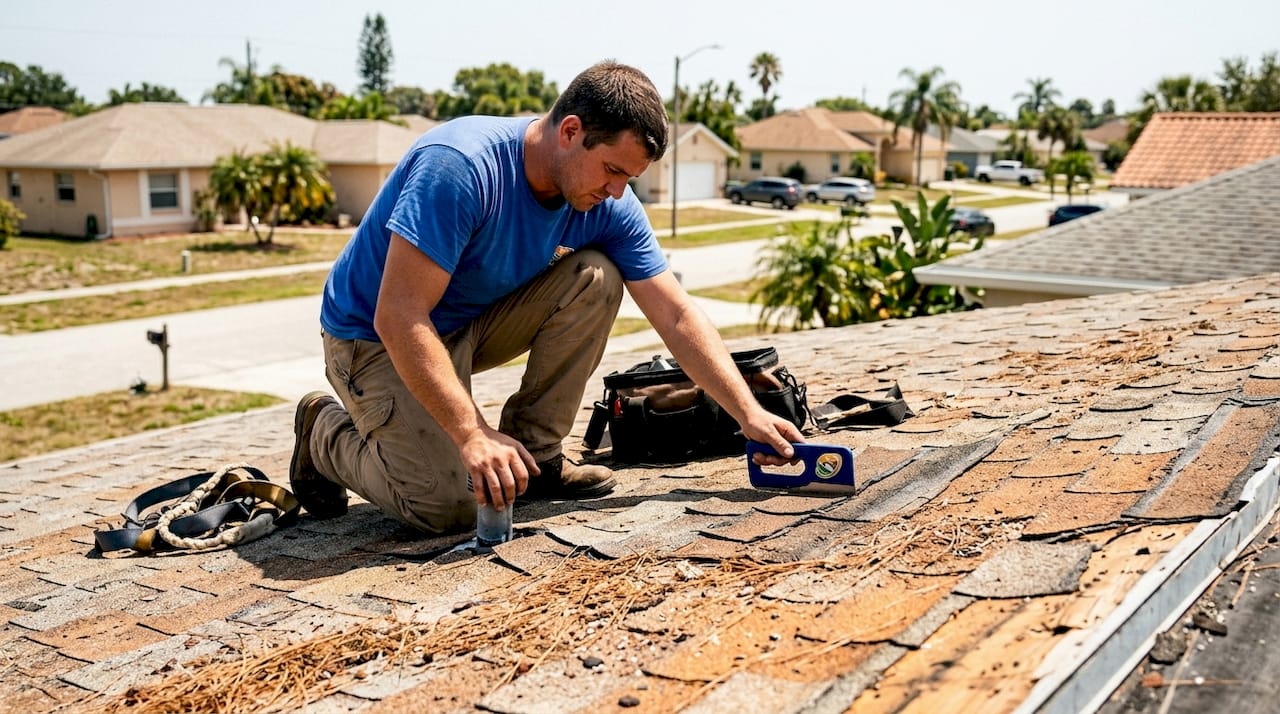
Asphalt shingles are manufactured with oils that keep them flexible and fire-resistant. Over time, South Florida's intense sun and heat cook those oils right out of the shingles. Once that happens, the shingles become brittle, lose granules, and start to crack or curl. This isn't just a cosmetic issue. When granules are gone, the underlying fiberglass mat is exposed, and the shingle's fire resistance drops significantly. Understanding the causes of shingle damage is the first step toward protecting your home.
Here's a sobering fact: roofs over 10 years old showed roughly 50% damage rates during Hurricane Ian in 2022, underscoring just how quickly aging accelerates vulnerability in our climate.
Four things to evaluate when assessing your roof's fire risk:
- Shingle age and brittleness. Walk around the exterior and look up at the roofline. Can you see shingles that look gray and faded instead of a rich, consistent color? Tap on a shingle edge if accessible. Brittle shingles crack easily and lose their fire-resistance rating faster.
- Granule loss. Check your gutters after a rain. A large accumulation of small, sand-like granules is a red flag. Granules are the first layer of fire protection on any asphalt shingle.
- Curling or lifting edges. Curling shingles create gaps where embers can enter, especially during a wildfire-adjacent event or even a neighbor's structure fire. Florida's wind events accelerate this problem dramatically.
- Visible cracks or missing shingles. Any area with exposed underlayment is both a fire and water intrusion risk. These spots need immediate attention.
"Roof inspections should happen at least once a year in South Florida, not just after a storm. By the time damage is visible from the ground, the underlying deterioration is often already advanced." — A principle we follow with every assessment we conduct.
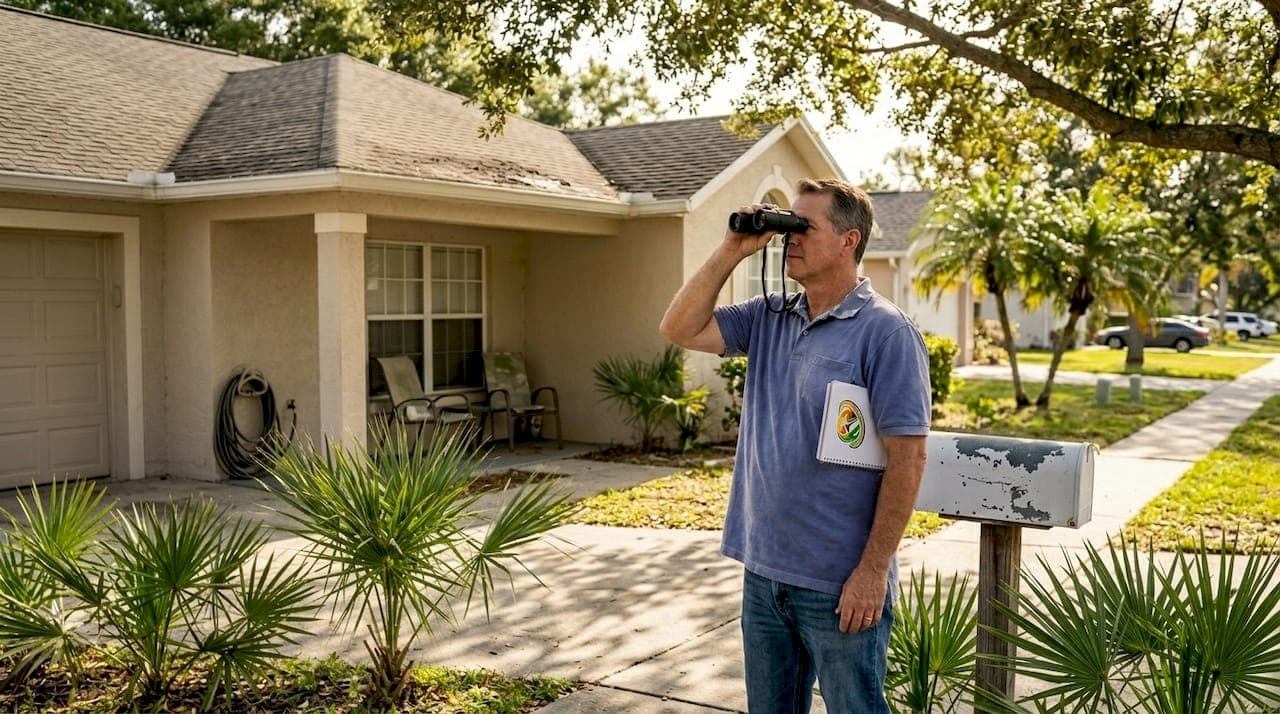
Pro Tip: Don't rely solely on what you can see from the ground. Use binoculars or schedule a professional inspection. Many hidden vulnerabilities only reveal themselves up close.
Florida's insurance market adds another layer of urgency. Insurers are increasingly requiring roof inspections before renewing policies, and a roof that fails a four-point inspection can result in a canceled policy or a sharp premium increase. Staying on top of a regular roof longevity checklist keeps you ahead of those demands.
Top fire safety upgrades for shingle roofs
With your roof's status in mind, here are the smartest fire safety upgrades you can make next.
Not all improvements require a full replacement. Many are targeted, affordable, and deliver real results when done correctly. The key is knowing which upgrades give you the most protection per dollar spent.
Smart fire safety upgrades worth investing in:
- Replace damaged or missing shingles with Class A rated materials. Class A asphalt shingles withstand severe fire exposure, including large burning brands at high temperatures, without allowing flame penetration or spread. Spot replacements with Class A shingles are far cheaper than a full reroof and restore critical protection to vulnerable areas.
- Clean your roof surface and gutters regularly. Dry leaves, pine needles, and debris sitting in gutters or on the roof surface are kindling. During fire weather, this debris can ignite from airborne embers and spread flames to the structure beneath your shingles. A clean roof is a safer roof.
- Seal roof penetrations and vents with fire-resistant materials. Pipes, HVAC ducts, and attic vents are common entry points for embers. Fire-resistant vent covers and caulking at penetrations significantly reduce ignition risk, especially during wildfire season or neighbor structure fires.
- Apply a professional shingle renewal treatment. Advanced treatments like GreenSoy Technology restore shingle flexibility at the molecular level, slowing deterioration and extending roof life by 10 to 15 years. While treatments don't change the official fire rating, they stop the further degradation that strips away existing protection.
- Schedule an annual professional inspection with minor repairs. A certified roof inspector can identify small problems, like a few loose shingles or a compromised flashing seal, before they turn into major vulnerabilities. Annual maintenance is one of the most cost-effective things you can do.
You can explore more fire-resistant roofing examples specific to South Florida homes to understand what options fit your budget and home style.
Pro Tip: When replacing individual shingles, always match the fire rating of your existing roof. Mixing Class A and lower-rated shingles creates uneven protection and may affect your insurance coverage.
Understanding why asphalt roofs fail in Florida's climate helps you prioritize which upgrades matter most. Heat and UV are the primary culprits, which is why treatments that address oil depletion directly deliver the best long-term results.
Rejuvenation vs. replacement: What works for fire safety?
While upgrades improve safety, many homeowners wonder whether renewal or full replacement makes the most sense. Here's a side-by-side look.
This is the decision most South Florida homeowners struggle with. The answer depends on your roof's current condition, your budget, and your fire safety goals.
| Factor | Rejuvenation | Full replacement |
|---|---|---|
| Upfront cost | Low (save up to 80%) | High ($15,000 to $30,000+) |
| Fire rating change | None (maintains existing) | New Class A rating |
| Lifespan extension | 10 to 15 years | 12 to 30 years |
| Insurance perks | Limited | Potential premium reduction |
| Best candidate | Roof in fair condition | Roof with widespread damage |
| Warranty | 6-year transferable | Manufacturer warranty |
When rejuvenation makes sense for fire safety:
- Your shingles are aged but structurally sound, with no widespread cracking or missing sections
- You've confirmed the roof still holds its Class A rating and needs flexibility restored, not replaced
- You want to extend the roof's useful life while budgeting for eventual replacement
- You want cost-effective roof life extension without the disruption and cost of a full reroof
When replacement becomes necessary:
- More than 25 to 30% of shingles are missing, brittle, or beyond repair
- The roof has failed a four-point inspection and insurers are threatening non-renewal
- Fire damage, impact damage, or water intrusion has compromised the underlying structure
- The roof is 20 or more years old with no prior renewal treatment
One statistic that puts the urgency in perspective: aging roofs in Florida fail at dramatically higher rates during major storms, and waiting too long can turn a $3,000 renewal job into a $25,000 emergency replacement after a storm event.
The good news is that a professional assessment removes the guesswork. When we inspect your roof, we give you an honest recommendation. If your roof qualifies for renewal, you save significantly. If it doesn't, we tell you that too. You can review your shingle lifespan extension options to see where your roof likely falls on the spectrum.
Maintenance routines that prevent fire hazards
Regardless of renewal or replacement, routine maintenance remains your first line of fire defense. Here's a checklist to keep your roof resilient year-round.
South Florida's climate doesn't follow four traditional seasons. What it does follow is a predictable cycle of intense heat, heavy rain, and hurricane season that demands a stricter maintenance schedule than most other parts of the country.
Seasonal maintenance checklist for fire safety:
- January to March (dry season prep). Inspect the full roof surface for granule loss and brittle shingles after winter winds. Clear all debris from gutters and valleys. Check attic vents and replace any standard covers with fire-resistant models.
- April to May (pre-storm season). Schedule a professional inspection before hurricane season begins. Seal any roof penetrations and check flashing around chimneys and skylights. Confirm all shingles are properly adhered and no edges are lifting.
- June to September (active storm season). After every significant storm or heavy rain, do a visual check from the ground for displaced shingles or debris accumulation. Document any changes with photos for insurance purposes.
- October to December (post-storm recovery). Schedule repairs for any damage identified during storm season. This is also the best time to schedule a renewal treatment if your roof qualifies, as cooler temperatures support better application and curing.
Maintenance frequency guide for South Florida homeowners:
| Task | Recommended frequency |
|---|---|
| Gutter cleaning | Every 3 months |
| Visual roof inspection (ground level) | Monthly |
| Professional roof inspection | Annually |
| Granule check in gutters | After each heavy rain |
| Vent and penetration seal check | Every 6 months |
| Full roof renewal treatment assessment | Every 5 to 7 years |
Documenting every inspection and repair is important beyond just keeping records. Smart renewal strategies include building a paper trail that supports insurance claims and demonstrates proactive maintenance to your insurer. In Florida's difficult insurance market, documented maintenance history can be the difference between a paid claim and a denial.
When you're choosing how to protect your shingle roof against both fire and storm damage, consistency matters more than any single repair. A roof that gets annual attention rarely becomes an emergency. You can also explore shingle roof types to understand how your specific roofing material affects your maintenance schedule and renewal eligibility.
Our expert take: What most homeowners get wrong about shingle roof fire safety
Here's something we see constantly: homeowners patch a few shingles, clean the gutters once, and consider the job done. We understand the impulse. It feels like progress, and it's far cheaper in the moment. But spot patching without addressing the underlying issue, oil-depleted shingles that are continuing to deteriorate, is like putting a bandage on a problem that needs a real solution.
The hidden cost of short-term patching is real. When shingles are patched in isolation without a renewal treatment to stabilize the surrounding area, the adjacent shingles often fail faster. You end up paying for multiple patch jobs over a few years, spending more than a proper renewal treatment would have cost upfront.
We're also honest about the limits of rejuvenation. It does not change your roof's official fire rating. What it does is restore the flexibility and structural integrity that oil depletion has stolen, which means your existing Class A shingles start performing closer to how they did when they were new. For a roof in fair condition, that is genuinely valuable. But for a roof that's beyond renewal, we say so clearly. No one benefits from treating a roof that needs to be replaced.
The insurance reality in Florida is worth addressing directly. Some homeowners believe a renewal treatment will automatically lower their premium. It won't, not on its own. What it does do is help your roof pass a four-point inspection, which is often the barrier between maintaining coverage and losing it entirely. Explore fire-resistant roofing options if you're specifically looking to build a case with your insurer for better rates.
Finally, we strongly advise against relying only on DIY visual checks. What you can see from the ground tells you maybe 20% of the story. A professional who gets on the roof can identify underlayment damage, compromised fasteners, and granule loss patterns that no homeowner spotting cracks from the driveway would ever notice. Early professional assessment is the single most impactful thing you can do for your roof's fire safety and longevity.
Cost-effective solutions for safe, long-lasting shingle roofs
Ready to take the next step? Here's how local experts can make renewal and fire safety affordable and straightforward.
You've now got a clear picture of what fire risks look like on an aging shingle roof and what it takes to address them. The next move is getting an expert set of eyes on your specific situation.
At Shingle Roof Renewal, we offer free roof inspections for Broward and Palm Beach County homeowners. Our certified applicators use Fresh Roof's GreenSoy Technology to restore shingles at the molecular level, backed by a 6-year transferable warranty. We also help you document the work for insurance purposes. You can see all our roof renewal services to find the right fit for your home's condition and budget. If you're in the area, check out our dedicated services for Delray Beach homeowners for local options. Don't wait until a storm or a failed inspection forces an expensive decision. Schedule your free inspection today and find out if your roof qualifies for renewal.
Frequently asked questions
What makes Class A asphalt shingles the safest for fire?
Class A shingles resist severe fire exposure, including large burning brands at high temperatures, without allowing flames through the material, making them the highest-rated fire protection available for shingle roofs.
Does a roof treatment improve my shingle's fire rating?
Rejuvenation treatments extend lifespan and restore performance, but they do not change the official fire rating of your existing shingles. They help your shingles perform closer to their original specification, which is still a meaningful improvement.
How do you know if your shingles have lost fire resistance?
Look for brittle, granule-bare, or curling shingles, as these are signs of advanced oil depletion. Roofs over 10 years old in South Florida are especially vulnerable to reduced fire and storm resistance.
When should you choose full replacement over renewal?
Choose replacement when most shingles are brittle, missing, or no longer repairable, because only new Class A shingles restore a full fire rating and open the door to insurance premium benefits.
Can routine cleaning and maintenance really reduce fire risk?
Yes. Keeping your roof and gutters clear of dry debris removes the most immediate ignition risk, and regular maintenance preserves shingle performance so your fire resistance stays intact over time.