
TL;DR:
- South Florida roofs face accelerated aging due to harsh weather, especially after ten years, increasing vulnerability to damage. Early detection of issues like loose shingles, water stains, or algae growth can prevent costly repairs and prolong roof life significantly. Regular inspections and professional maintenance are essential for homeowners to avoid unnecessary replacements and maximize their roof's durability.
Your shingle roof is quietly taking a beating every single day in South Florida. The relentless sun, the humidity, the sudden downpours, and the occasional hurricane combine to age your roof faster than almost anywhere else in the country. Research confirms that asphalt shingle performance declines with age in Florida, with heightened vulnerability for roofs about ten years old and older. Knowing what to look for and how to respond can be the difference between a small repair bill and a full $15,000 to $30,000 replacement.
Table of Contents
- How to spot shingle roof problems early
- 7 common shingle roof issues in South Florida
- Comparison: Old vs. newer shingle roofs under Florida conditions
- Proactive maintenance to prevent expensive repairs
- The often-overlooked truth about shingle roof issues in Florida
- Get expert help for long-lasting, cost-effective roof care
- Frequently asked questions
Key Takeaways
| Point | Details |
|---|---|
| Roof age matters | Roofs older than ten years are much more vulnerable to storm and wind damage. |
| Early signs save money | Catching problems like water stains or missing shingles early prevents costly structural damage. |
| Proactive maintenance works | Regular inspections and affordable fixes can add years to your roof’s lifespan. |
| Professional help pays off | Certified roof renewal services help avoid unnecessary replacements and maximize value. |
How to spot shingle roof problems early
With the stakes set, let's get into recognizing problems before they turn into expensive headaches.
Early detection is the single most powerful tool you have. A small issue caught today costs a fraction of the damage it will cause if left alone for even one more rainy season. South Florida storms are not gentle, and every gap, crack, or lifted shingle is an entry point for water that can rot decking, damage insulation, and ruin ceilings.
Why timing matters so much:
Most homeowners only check their roof when they notice a stain on the ceiling or a wet spot in the attic. By then, water has already been sitting somewhere it should not be, sometimes for weeks. Acting earlier protects both the structure and your budget.
Common early warning signs to look for:
- Water stains on ceilings or walls inside your home
- Damp or discolored attic insulation
- Shingles that look lifted, buckled, or out of place from the ground
- Granules collecting in your gutters after rain
- Visible daylight through the attic boards
- Soft or spongy spots when you walk on the roof
- Algae streaks or dark patches forming across the surface
After a heavy rain, leaks, water stains, and loose shingles are the most visible indicators of roof damage, and catching them early can stop the escalation to larger structural problems. These are not cosmetic issues. They are your roof telling you it needs attention now.
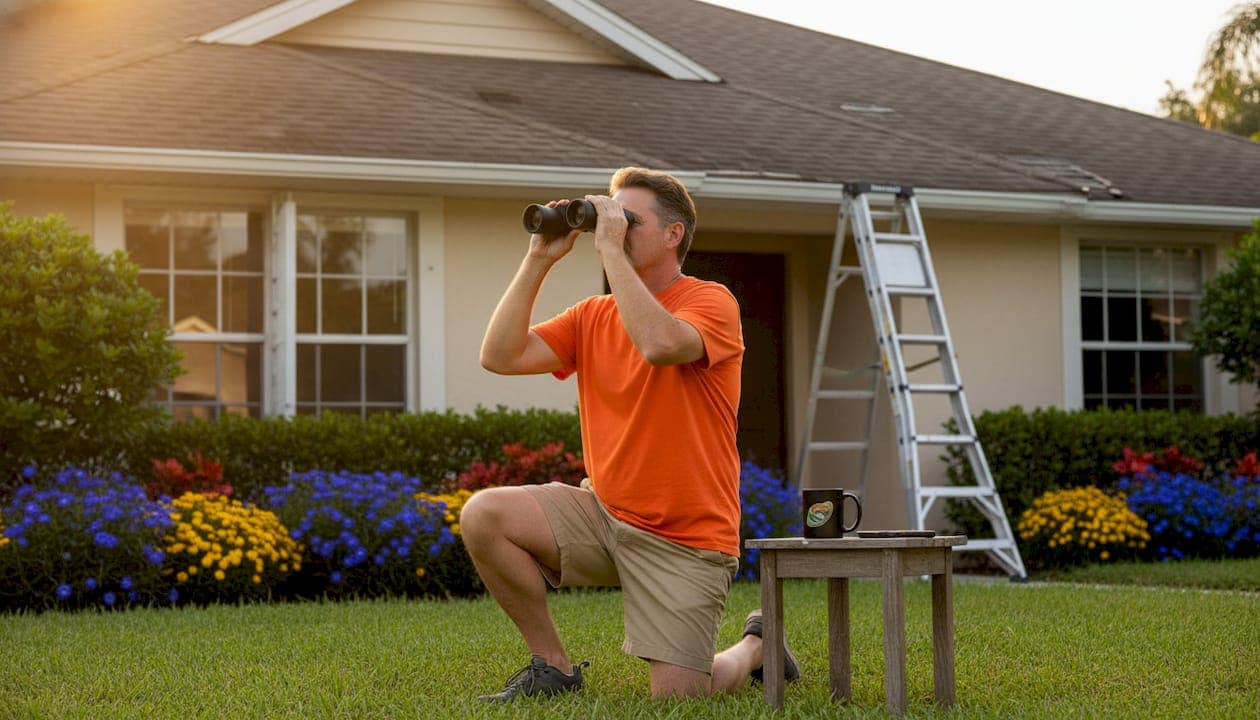
Pro Tip: Do a quick visual inspection from the ground after every significant rainstorm. You do not need to climb up every time. A pair of binoculars and a slow walk around the perimeter of your home takes about ten minutes and can reveal problems that would otherwise go unnoticed for months.
Understanding the causes of shingle damage in South Florida's specific climate will also help you know where to focus your attention during each check.
7 common shingle roof issues in South Florida
Now that you know the warning signs, here is a breakdown of the exact problems that show up most often in this harsh regional climate.
-
Lifted or missing shingles. Wind gets underneath shingles that have lost their adhesive seal, especially on older roofs. Once lifted, they are one strong gust away from flying off entirely. Missing shingles expose the underlayment and decking directly to rain.
-
Curling shingles. Curling happens in two ways: the edges lift upward (cupping) or the middle pushes up while edges stay flat (clawing). Both are signs that the shingle is drying out and losing flexibility, which is extremely common in South Florida's heat.
-
Granule loss and bare patches. Asphalt shingles are coated in granules that protect them from UV rays and heat. When those granules wash away, the underlying asphalt dries and cracks quickly. Finding a heavy buildup of granules in your gutters means your roof is accelerating toward failure.
-
Leaks and water stains. A leak does not always show up dramatically. Sometimes it is just a faint brown ring on your ceiling or a musty smell in the attic. These subtle signs mean water has already breached your roof system and found a path inside.
-
Cracked or brittle shingles. Heat and UV exposure cause asphalt shingles to lose their natural oils over time. Once brittle, shingles crack under foot traffic, thermal expansion, or even the impact of a heavy rain. Cracked shingles are a direct pathway for water.
-
Algae and moss growth. South Florida's humidity creates ideal conditions for algae (the dark streaks you see) and moss. Moss retains moisture against the shingle surface, which accelerates deterioration. Algae, while more cosmetic at first, signals moisture is already sitting where it should not be.
-
Damaged or clogged gutters and downspouts. This one often gets overlooked because it does not look like a "roof problem." But clogged gutters back up water against the fascia and the roof edge, causing rot and leaks right at the most vulnerable seam of your roofline.
About half of shingle roofs showed issues during Hurricane Ian observations, and roofs ten years old or older were especially vulnerable. This is not a rare edge case. This is the reality for a large portion of South Florida homes.
The climate impact on shingle roofs in Florida is unique and severe. Understanding how South Florida's weather drives roof deterioration is essential context for every homeowner in Broward and Palm Beach counties.
Comparison: Old vs. newer shingle roofs under Florida conditions
Understanding how age affects your risk is key for deciding on maintenance versus replacement.
Age is the biggest risk factor for shingle roofs in South Florida. A five-year-old roof and a fifteen-year-old roof are not just different in age. They are in entirely different risk categories, especially when a storm rolls in. Research found that asphalt shingles will not survive 100 mph winds after ten years of age. That is a sobering fact for any homeowner in a hurricane-prone area.
Here is how the two groups compare across the most common issues:
| Issue | Newer roofs (under 10 years) | Older roofs (10+ years) |
|---|---|---|
| Lifted or missing shingles | Rare, usually storm-related | Common, especially in wind events |
| Granule loss | Minimal | Significant, accelerating fast |
| Cracking or brittleness | Unlikely | Very likely, often widespread |
| Curling or cupping | Uncommon | Frequent, especially on south-facing slopes |
| Algae and moss | Possible in humid spots | Widespread without regular treatment |
| Leak vulnerability | Low unless mechanically damaged | High, multiple potential entry points |
| Storm damage risk | Moderate | Significantly elevated |
| Recovery after storms | Usually minor repairs | Often major repairs or full failure |
The pattern is clear. Once your roof crosses that ten-year mark in South Florida, the risks multiply quickly. This does not mean automatic replacement. But it does mean you need to be far more proactive about maintenance and inspections.
For roofs over a decade old, understanding why asphalt roofs fail and what you can do about it becomes a critical part of protecting your home's value.
The smart move for older roofs:
Rather than waiting for a catastrophic failure, homeowners with roofs in the ten to twenty-year range should shift from reactive to preventive thinking. Get annual inspections, document any changes in shingle condition, and address small issues promptly. The cost difference between a timely repair and emergency storm damage repair can be enormous.
Proactive maintenance to prevent expensive repairs
Equipped with the knowledge of your risks, here is how to protect your roof and your wallet going forward.
Maintenance is not glamorous, but it is the most cost-effective thing you can do for your roof. The goal is simple: keep small problems from becoming large ones. In South Florida, where your roof faces stress year-round, consistent upkeep pays off many times over.
Essential maintenance steps for South Florida homeowners:
- Inspect your roof at least twice a year, ideally before and after hurricane season. Walk the perimeter of your home and use binoculars to check from the ground.
- Clear your gutters every three to four months. In Florida, debris accumulates fast. Clogged gutters are one of the leading causes of edge leaks and fascia rot.
- Replace damaged shingles promptly. A single cracked or missing shingle is not a big deal until it is. Water finds every opening.
- Treat algae and moss growth early. Zinc strips installed at the ridge can help prevent regrowth, and a gentle soft-wash cleaning removes existing growth without damaging shingles.
- Check attic ventilation regularly. Poor ventilation traps heat and accelerates shingle deterioration from below. A well-ventilated attic can add years to your roof's life.
- Document your roof's condition with photos at least once a year. This is useful for insurance claims and helps you track changes over time.
After heavy rain, water stains and loose shingles are the most immediate things to check for, because catching them early prevents escalation to larger structural problems. Do not wait for your annual inspection if you just had a major storm.
Pro Tip: Schedule a brief post-storm check within 24 to 48 hours after any named storm or severe weather event. This is separate from your regular maintenance routine. A fast look after every storm, not just your annual checkup, will catch the issues that matter most before they grow.
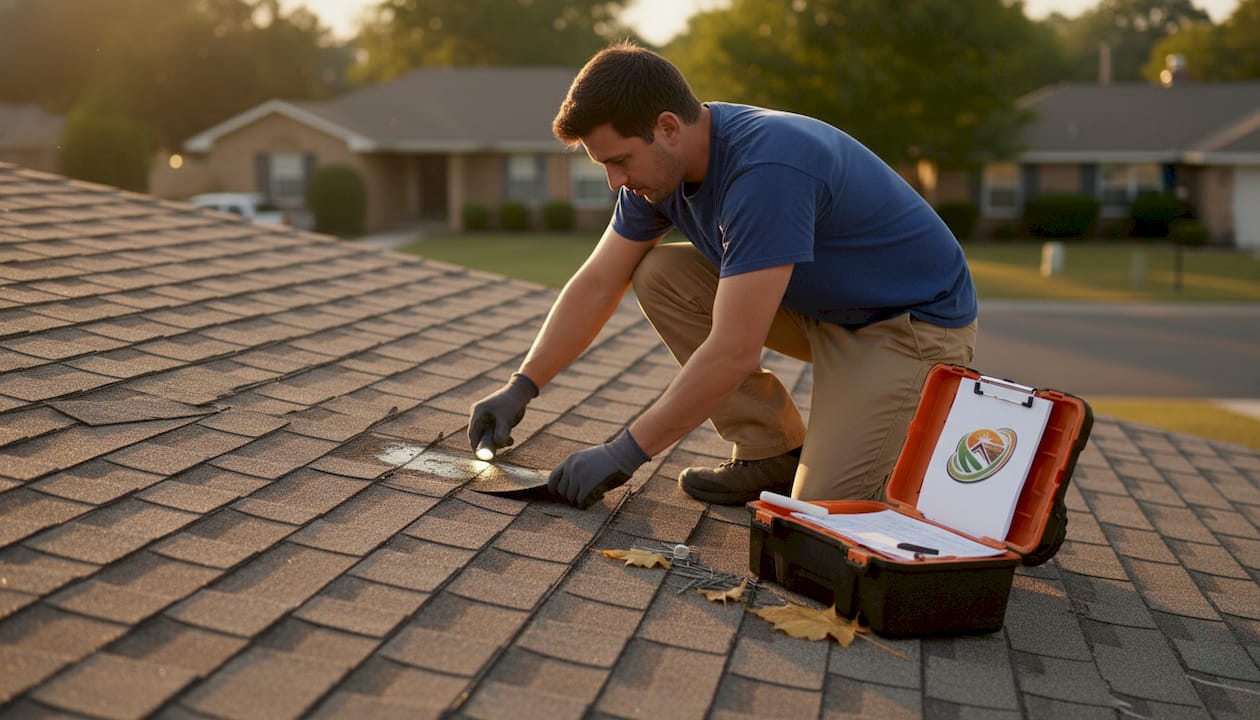
Our roof longevity checklist gives you a simple step-by-step system to follow each season. You can also explore cost-effective roof protection strategies that work specifically for South Florida homes, and learn proven shingle lifespan extension methods that keep your roof performing longer without breaking your budget.
The often-overlooked truth about shingle roof issues in Florida
Here is the opinion that most roofing content will not share with you directly: the roofing industry has a financial incentive to push replacement over maintenance. We understand that, and we want to be honest with you about it.
The reality is that many roofs we see in Broward and Palm Beach counties are not beyond saving. They look bad, they have real issues, but they are not structurally compromised to the point where replacement is the only option. What they need is a homeowner who acted early and a professional who is willing to assess honestly rather than default to the biggest ticket item.
Florida's climate does make maintenance more critical than in other states. Your roof ages faster here. The UV exposure alone can dry out shingles in ways that take twice as long in cooler states. But that is exactly why proactive maintenance and early restoration matter so much more, not why you should skip straight to replacement.
The uncomfortable truth is that most homeowners who end up needing full replacements could have extended their roof's life significantly with earlier intervention. Waiting until the damage is obvious, until you have interior leaks or visible structural damage, is the pattern that leads to the $20,000 bill. Catching problems at the granule loss or curling stage is when you have real options.
Replacement is absolutely warranted sometimes. A roof with widespread structural damage, rotted decking across multiple sections, or shingles that have deteriorated past the point of holding any treatment is a genuine candidate for full replacement. We will always tell you that honestly. But that situation is rarer than the industry suggests.
Exploring options to extend your shingle roof's life and understanding smart roof renewal strategies can help you make a clear-headed, informed decision rather than a fear-based one.
Get expert help for long-lasting, cost-effective roof care
If you want to put these lessons into action without guesswork, here is where you can get tailored support.
Knowing the warning signs is step one. Taking the right action based on your specific roof's condition is step two, and that is where professional guidance makes a real difference. Not every roof needs the same solution, and the only way to know where yours stands is through an honest, professional assessment.

At Shingle Roof Renewal, we specialize in helping South Florida homeowners get the most out of their existing roofs. Our certified renewal process using GreenSoy Technology works at the shingle level to restore flexibility, stop deterioration, and extend your roof's life by 10 to 15 years. It is not a patch. It is not a coating. It is a restoration backed by a 6-year transferable warranty. Our roof renewal services are designed for homes exactly like yours, whether you are in Boca Raton, Boynton Beach, or looking for roof renewal in Delray Beach. Schedule your free roof inspection today and find out if your roof qualifies. You may be closer to saving it than you think.
Frequently asked questions
How often should I inspect my shingle roof in South Florida?
You should inspect your roof at least twice a year, before and after hurricane season, and do an additional check within 48 hours after any major storm event.
Are shingle roofs older than ten years likely to need repairs soon?
Yes, roofs 10 or more years old are significantly more vulnerable to damage, particularly during wind events, and should be assessed by a professional promptly.
What are early signs of water damage on a shingle roof?
Leaks, water stains, and loose shingles after heavy rain are the most common early indicators of water damage that need immediate attention.
Can I extend my roof's life without full replacement?
Yes, with timely inspections, targeted repairs, and professional restoration treatments, many South Florida homeowners add years to their roof without the cost of a full replacement.